
Introduction: Understanding AI's Place in Digital Marketing
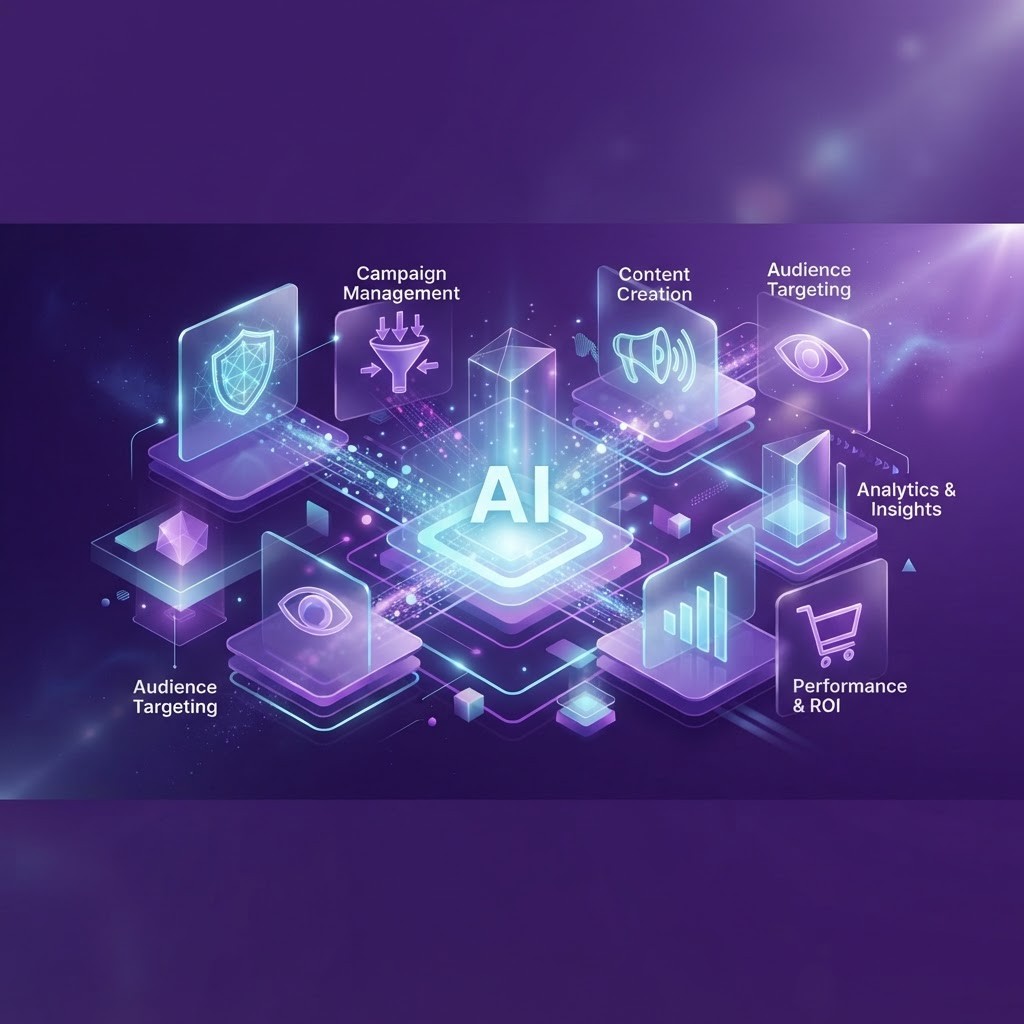
Digital marketing spans a wide landscape of channels, including search, social media, email, paid advertising, and content. Managing all of these effectively requires processing enormous amounts of data and making countless decisions every day. This is exactly where artificial intelligence shines. AI acts as a tireless analyst, strategist, and executor, helping marketers understand audiences, deliver relevant messages, and measure results with precision. Rather than replacing marketers, AI functions as a force multiplier that enhances human judgment and creativity across the entire digital ecosystem.
How AAMAX.CO Applies AI in Digital Marketing
Bringing AI into a marketing strategy can feel overwhelming, which is why many businesses turn to specialists. AAMAX.CO is a full-service digital marketing agency that serves clients worldwide and helps brands weave AI into their campaigns intelligently. Their team blends data science with creative execution, supporting everything from AI-assisted content to smarter search engine optimization. When companies work with AAMAX.CO, they gain access to professionals who understand both the technical and strategic sides of AI, ensuring the tools deliver measurable results rather than empty hype.
Audience Targeting and Segmentation
One of AI's most valuable roles is identifying and reaching the right audience. Machine learning models analyze demographics, behaviors, and interests to build detailed customer profiles. These insights allow marketers to segment audiences with remarkable accuracy and serve ads to the people most likely to engage. Lookalike modeling extends this further by finding new prospects who resemble existing high-value customers, expanding reach without wasting budget on irrelevant impressions.
Personalization Across Channels
Modern consumers expect experiences tailored to their needs. AI enables personalization at scale by adapting website content, email subject lines, product recommendations, and offers to each individual. Recommendation engines, popularized by streaming and e-commerce giants, use AI to suggest exactly what a user is likely to want next. This level of relevance increases engagement, boosts conversions, and fosters loyalty because customers feel understood rather than marketed to.
Content Creation and Optimization
AI supports content marketing in numerous ways. Generative tools help draft articles, social posts, ad copy, and video scripts quickly, giving teams a head start. Beyond creation, AI analyzes which topics resonate, which headlines earn clicks, and which formats drive engagement. It can recommend keywords, optimize readability, and even predict how a piece of content will perform before it is published. This data-driven approach helps marketers produce content that both search engines and audiences appreciate.
Search and Discovery
Search behavior is evolving as AI-powered engines and assistants change how people find information. AI helps marketers understand search intent more deeply, optimize for conversational queries, and adapt to new discovery surfaces. As search results increasingly include AI-generated summaries, brands must ensure their content is structured, authoritative, and easy for machines to interpret. Marketers who master these shifts position themselves to remain visible in an AI-driven search landscape.
Advertising and Bidding Automation
Paid advertising has been transformed by AI. Automated bidding strategies adjust bids in real time to maximize conversions or return on ad spend. AI evaluates thousands of signals, including device, location, time of day, and user behavior, to decide how much to bid for each impression. Creative testing is also accelerated, with AI rotating and optimizing ad variations to find the best performers. This automation delivers efficiency that manual management simply cannot match.
Analytics and Insight Generation
Perhaps AI's most fundamental role is making sense of data. Marketing generates massive volumes of information across platforms, and AI turns that raw data into actionable insight. It identifies trends, flags anomalies, attributes conversions across touchpoints, and forecasts future performance. Instead of spending hours building reports, marketers receive clear recommendations that guide strategy. This clarity helps teams make confident decisions grounded in evidence.
Customer Service and Engagement
AI-powered chatbots and virtual assistants handle a growing share of customer interactions. They answer questions instantly, qualify leads, and guide users toward purchase, all while collecting valuable data. This continuous engagement improves customer satisfaction and captures opportunities that might otherwise slip away outside business hours. As natural language capabilities improve, these tools feel increasingly human and helpful.
Email Marketing and Lifecycle Automation
Email remains one of the highest-returning channels, and AI makes it dramatically more effective. Machine learning determines the optimal send time for each recipient, predicts which subject lines will earn opens, and personalizes content based on individual behavior. Lifecycle automation triggers the right message at the right stage, whether welcoming a new subscriber, re-engaging a lapsed customer, or recommending a complementary product. Instead of blasting identical emails to everyone, AI orchestrates thoughtful sequences that respond to each person's actions, nurturing relationships and driving conversions with minimal manual effort.
Balancing Technology With Human Strategy
As powerful as these capabilities are, AI works best when guided by human strategy. Marketers define the goals, shape the brand voice, and ensure that automated decisions align with company values and customer expectations. The most effective teams treat AI as a partner that handles scale and speed while people provide creativity, empathy, and direction. This balance prevents over-reliance on automation and keeps campaigns authentic, ensuring that technology enhances rather than dilutes the human connection at the heart of great marketing.
Conclusion
The role of AI in digital marketing is broad and deepening every year. It powers targeting, personalization, content, search, advertising, analytics, and customer engagement, touching nearly every part of a modern strategy. The brands that succeed treat AI as a collaborative tool that amplifies human insight rather than a replacement for it. By embracing AI thoughtfully and working with knowledgeable partners, businesses can run smarter, more efficient, and more effective digital marketing campaigns that drive real growth.