
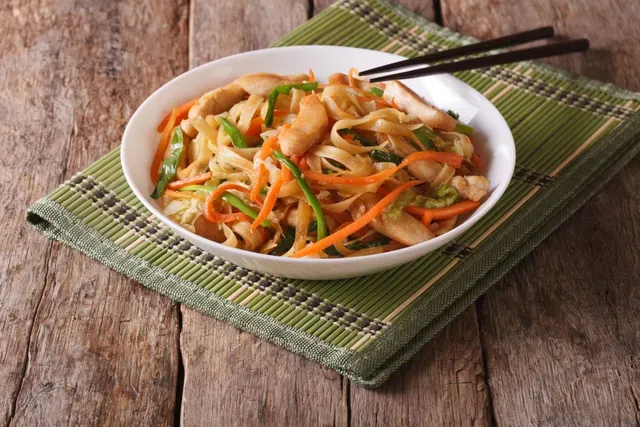
Chinese food is one of the most popular cuisines worldwide, celebrated for its bold flavors, diverse ingredients, and wide variety of dishes. From stir-fried vegetables to rich sauces and savory meats, Chinese cuisine offers something for everyone. However, a common question arises among health-conscious eaters: is Chinese food healthy?
The answer is not straightforward. While traditional Chinese cuisine can be nutritious and balanced, modern adaptations, especially those found in Western Chinese restaurants, can vary significantly in calorie content, sodium levels, and preparation methods. This comprehensive guide explores the health aspects of Chinese food, breaking down nutritional factors, benefits, risks, and tips for making healthier choices.
Understanding Chinese Cuisine
Chinese cuisine is not a single style but a collection of regional culinary traditions. The health profile of Chinese food often depends on the region, ingredients, and cooking methods.
Regional Variations
- Cantonese (Guangdong): Known for steaming, stir-frying, and light sauces. Emphasis on fresh vegetables, seafood, and lean meats.
- Sichuan: Famous for bold flavors, spicy dishes, and numbing peppers. Often high in oil but rich in antioxidants from chili peppers.
- Hunan: Similar to Sichuan but focuses more on fresh, sour, and spicy flavors. Vegetables are heavily featured.
- Shandong: Uses seafood, vinegar, and lighter broths, emphasizing balance and freshness.
- Jiangsu and Zhejiang: Sweet and savory flavors dominate, with seafood and seasonal vegetables.
- Beijing (Northern China): Wheat-based dishes like dumplings and noodles, often paired with meats and rich sauces.
Nutritional Components of Chinese Food
Chinese food can include a range of nutrients, including carbohydrates, protein, vitamins, minerals, and fiber. The health profile largely depends on the ingredients and cooking method.
Carbohydrates
Many Chinese dishes include rice, noodles, dumplings, or buns, which provide energy. Whole grains and brown rice options are healthier, offering fiber and slower-digesting carbohydrates that support blood sugar stability.
Protein
Chinese cuisine incorporates a wide variety of protein sources:
- Lean meats: Chicken, pork tenderloin, and lean beef
- Seafood: Shrimp, fish, scallops, and squid
- Plant-based proteins: Tofu, tempeh, edamame, and beans
Vegetables and Fiber
Traditional Chinese meals often feature an abundance of vegetables, including bok choy, napa cabbage, snow peas, broccoli, bell peppers, mushrooms, and spinach. Vegetables provide:
- Dietary fiber for digestion
- Vitamins A, C, and K
- Minerals such as potassium and magnesium
- Antioxidants that combat oxidative stress
Fats
The type of fat used in cooking greatly affects the healthiness of Chinese food. Common cooking oils include:
- Vegetable oil (moderate health impact)
- Peanut oil (heart-healthy in moderation)
- Sesame oil (contains beneficial fatty acids but used in small amounts)
Sodium
Sodium levels are a critical concern in Chinese cuisine. Soy sauce, oyster sauce, hoisin sauce, and MSG contribute high sodium content, which can impact blood pressure and heart health when consumed in excess.
Sugar
Some dishes, particularly sweet and sour recipes, contain added sugars. Excess sugar can contribute to weight gain and metabolic issues if consumed frequently.
Health Benefits of Traditional Chinese Food
When prepared using traditional methods and fresh ingredients, Chinese food can be highly nutritious.
Rich in Vegetables
Vegetable-heavy dishes provide fiber, vitamins, minerals, and antioxidants, promoting digestive health, immune function, and chronic disease prevention.
Balanced Meals
Traditional Chinese meals often follow the principle of yin and yang, balancing hot and cold foods, flavors, and textures. Meals typically include protein, vegetables, and a carbohydrate source, promoting nutritional balance.
Low-Fat Cooking Methods
Steaming, boiling, braising, and stir-frying with minimal oil preserve nutrients and reduce calorie intake compared to deep-fried dishes.
Herbal and Medicinal Ingredients
Chinese cuisine frequently incorporates herbs and spices with potential health benefits:
- Ginger: Anti-inflammatory and digestive aid
- Garlic: Supports heart health and immune function
- Chili peppers: May boost metabolism and provide antioxidants
- Green onions and scallions: Rich in vitamins and flavor-enhancing properties
Plant-Based Options
Tofu, edamame, and other plant-based proteins provide nutritious, low-fat alternatives to meat while supporting heart and metabolic health.
Potential Health Risks of Chinese Food
Despite its benefits, some Chinese dishes and restaurant practices can present health concerns.
High Sodium Content
Soy sauce, MSG, and preserved ingredients can lead to excessive sodium intake, increasing the risk of hypertension, heart disease, and stroke.
Excessive Oil and Calories
Deep-fried dishes such as egg rolls, General Tso’s chicken, and sweet and sour pork are high in calories and unhealthy fats, which can contribute to weight gain and cardiovascular issues.
Added Sugars
Sauces like sweet and sour, honey garlic, or orange sauce often contain high levels of sugar. Frequent consumption may impact blood sugar levels and overall metabolic health.
Portion Sizes
Westernized Chinese restaurants may serve large portions, leading to overeating and excess calorie intake. Controlling portion size is crucial for maintaining a healthy diet.
Food Safety
Improperly stored or prepared dishes can carry risks of foodborne illness. Always choose reputable restaurants or prepare meals at home using safe cooking practices.
Tips for Making Chinese Food Healthier
Even if you enjoy takeout or restaurant dishes, you can make Chinese food healthier with simple adjustments.
Choose Healthier Cooking Methods
- Opt for steamed, boiled, or stir-fried dishes
- Avoid deep-fried or heavily battered items
- Use minimal oil when cooking at home
Select Lean Proteins
- Chicken breast, lean pork, or seafood
- Plant-based proteins like tofu or tempeh
- Avoid fatty cuts of meat or processed meats
Increase Vegetable Intake
- Add extra vegetables to stir-fries and soups
- Substitute half of the meat with vegetables for balance
- Choose mixed vegetable dishes or side salads
Control Sodium
- Request sauces on the side when ordering
- Use low-sodium soy sauce or tamari at home
- Limit use of MSG or preserved ingredients
Limit Sugary Sauces
- Choose lightly seasoned or savory dishes
- Use natural sweeteners like fruit when cooking at home
- Avoid sweet and sour or honey-based sauces frequently
Watch Portion Sizes
- Share dishes with friends or family
- Eat half of restaurant portions and save the rest for later
- Pair meals with brown rice or whole grains for added fiber
Popular Healthier Chinese Dishes
Certain Chinese dishes are naturally healthier due to their ingredients and preparation methods:
- Steamed vegetables with tofu
- Chicken and broccoli stir-fry
- Steamed dumplings (with lean protein and vegetables)
- Hot and sour soup (low in calories, rich in vegetables)
- Sichuan-style vegetable stir-fry (light oil, high fiber)
- Brown rice or mixed grain rice instead of white rice
Chinese Food and Weight Management
When consumed wisely, Chinese food can fit into a balanced diet for weight management. Key considerations include:
- Limiting fried foods and high-calorie sauces
- Prioritizing vegetables and lean proteins
- Controlling portion sizes
- Preparing meals at home for better control of ingredients
Chinese Food and Heart Health
Choosing dishes low in sodium, saturated fat, and sugar can support heart health.
- Steamed dishes and stir-fries with minimal oil are heart-friendly
- Avoid heavy sauces and deep-fried items
- Incorporate more vegetables, garlic, ginger, and chili peppers for their cardiovascular benefits
Preparing Healthy Chinese Food at Home
Cooking at home allows you to enjoy the flavors of Chinese cuisine while controlling ingredients. Tips include:
- Use fresh vegetables and lean proteins
- Steam or stir-fry with small amounts of healthy oils
- Make sauces from scratch using low-sodium soy sauce, vinegar, ginger, garlic, and spices
- Use whole grains like brown rice or quinoa instead of white rice
- Incorporate herbs and spices for flavor without adding extra sodium or sugar
Frequently Asked Questions
Is Chinese food healthier than fast food?
In many cases, yes. Traditional Chinese dishes with vegetables, lean proteins, and minimal oil are healthier than burgers, fries, and processed foods. However, some Americanized Chinese dishes can be just as calorie-dense as fast food.
Can Chinese food be part of a balanced diet?
Absolutely. By choosing dishes wisely, controlling portions, and focusing on vegetables and lean proteins, Chinese cuisine can fit into a healthy, balanced diet.
Are all Chinese dishes high in sodium?
Not all. Steamed vegetables, soups, and homemade dishes tend to be lower in sodium. Restaurant sauces and preserved ingredients often contain the most salt.
Is Chinese takeout unhealthy?
It depends. Many takeout options are high in oil, sugar, and sodium. Making smart choices or cooking at home improves nutritional quality.
Final Thoughts
Chinese food can be both healthy and nutritious when prepared with fresh ingredients, vegetables, and lean proteins, and consumed in moderation. Traditional cooking methods like steaming, boiling, and stir-frying preserve nutrients and minimize unhealthy fats.
However, certain dishes, especially deep-fried items, heavily sauced recipes, or Americanized versions, can be high in calories, sodium, and sugar. By making informed choices—opting for steamed or stir-fried dishes, controlling portions, and preparing meals at home—Chinese cuisine can be a delicious and healthy part of your diet.
Ultimately, the healthiness of Chinese food depends on ingredients, cooking methods, and portion control, allowing you to enjoy its rich flavors without compromising wellness.