
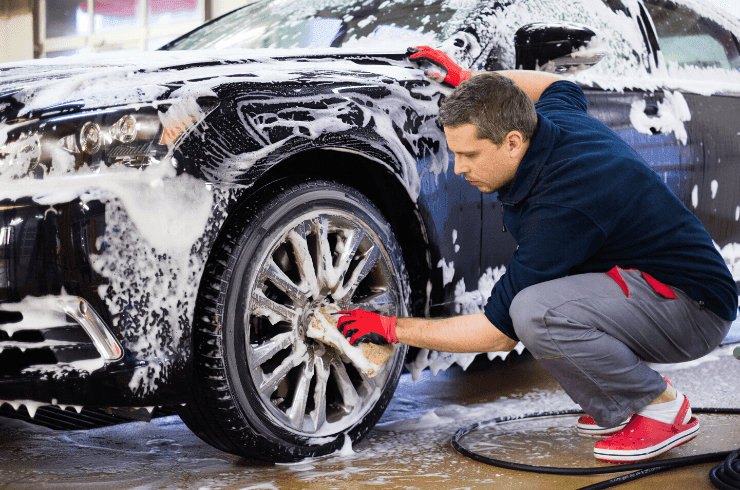
Washing a car is one of the simplest yet most important aspects of vehicle maintenance. A clean car not only looks better but also lasts longer, as regular washing protects the paint, prevents rust, and helps you spot minor issues before they become expensive problems. Whether you are a first-time car owner or someone looking to improve their car care routine, learning the correct way to wash a car can make a noticeable difference in both appearance and long-term value.
This in-depth guide explains how to wash a car properly, step by step, using safe techniques and professional-level tips. The headings are structured so readers can easily scan the page and find the information they need.
Why Washing Your Car Regularly Is Important
Many people wash their car only when it looks visibly dirty, but dirt, dust, and contaminants begin affecting the vehicle long before that. Regular car washing is essential because it removes harmful substances that can damage the paint and body.
Road salt, bird droppings, tree sap, mud, and pollution particles can slowly eat away at the clear coat. Over time, this leads to fading, discoloration, and corrosion. Washing your car also improves visibility by keeping windows, mirrors, and headlights clean.
How Often Should You Wash Your Car
The ideal frequency for washing a car depends on driving conditions, climate, and where the vehicle is parked.
In normal conditions, washing your car once every one to two weeks is usually sufficient. If you drive in areas with heavy dust, snow, road salt, or frequent rain, weekly washing is recommended. Cars parked outdoors or under trees may need more frequent cleaning due to bird droppings and sap.
Choosing the Right Location to Wash Your Car
Where you wash your car matters more than many people realize. Washing a car in direct sunlight can cause soap and water to dry too quickly, leaving spots and streaks.
The best place to wash a car is:
- In a shaded area
- During early morning or late afternoon
- On a flat surface with proper drainage
Supplies You Need to Wash a Car Properly
Having the right tools makes car washing easier, safer, and more effective. Using household cleaners or rough materials can damage the paint.
Essential Car Washing Supplies
To wash a car properly, you will need:
- Car wash soap or shampoo
- Two buckets
- Soft microfiber wash mitt or sponge
- Hose with adjustable nozzle
- Microfiber drying towels
Optional but Helpful Items
For better results, consider using:
- Wheel cleaner
- Tire brush
- Soft detailing brushes
- Bug and tar remover
- Spray wax or sealant
Understanding the Two-Bucket Method
The two-bucket method is a widely recommended technique that reduces the risk of scratching your car’s paint.
One bucket is filled with clean water, and the other contains soapy water. After washing a section of the car, you rinse the mitt in the clean water bucket before dipping it back into the soap. This prevents dirt from being reapplied to the paint.
Step-by-Step Guide on How to Wash a Car
Following a structured process ensures that your car is cleaned thoroughly without causing damage.
Step 1: Rinse the Car Thoroughly
Begin by rinsing the entire car with water. This removes loose dirt, dust, and debris that could scratch the paint during washing.
Pay special attention to:
- Wheel wells
- Lower panels
- Front bumper
Step 2: Clean the Wheels and Tires First
Wheels and tires are usually the dirtiest parts of a car. Cleaning them first prevents brake dust and grime from splashing onto freshly washed panels.
Use a separate bucket and brush for wheels to avoid contaminating your wash mitt. Apply wheel cleaner if needed, scrub gently, and rinse thoroughly.
Step 3: Prepare the Soap Solution
Fill one bucket with water and add the recommended amount of car wash soap. Fill the second bucket with plain water for rinsing your mitt.
Avoid using dish soap or household detergents, as they strip protective wax and can dry out the paint.
Step 4: Wash the Car from Top to Bottom
Always wash your car starting from the top and working downward. The upper sections are usually cleaner than the lower panels.
Wash in straight lines rather than circular motions to reduce the risk of swirl marks. Focus on one section at a time, such as the roof, windows, doors, and hood.
Step 5: Rinse Frequently
Do not let soap dry on the car. Rinse each section as you complete it or rinse the entire car thoroughly once washing is finished.
Ensure all soap residue is removed, especially around mirrors, door handles, and trim.
Step 6: Dry the Car Properly
Drying is an important step that many people overlook. Air drying can leave water spots that dull the finish.
Use clean microfiber towels to gently dry the car. Pat or glide the towel over the surface rather than pressing hard. Start from the top and move downward.
How to Wash a Car Interior
A clean interior improves comfort and maintains the value of your vehicle. Interior cleaning should be done regularly, even if the exterior looks clean.
Step 1: Remove Trash and Personal Items
Start by removing any trash, floor mats, and loose items. This allows you to clean all surfaces effectively.
Step 2: Vacuum Thoroughly
Vacuum the seats, carpets, floor mats, and trunk area. Use attachments to reach under seats and into corners.
Step 3: Clean Interior Surfaces
Use an interior cleaner suitable for your car’s materials. Wipe down:
- Dashboard
- Center console
- Door panels
- Steering wheel
Step 4: Clean the Windows
Use a glass cleaner and microfiber cloth to clean interior windows. Clean in vertical strokes on the inside and horizontal strokes on the outside to easily identify streaks.
How to Wash a Car Without a Hose
If you live in an apartment or have water restrictions, you can still wash your car effectively.
Waterless or rinseless car wash products allow you to clean your car using minimal water. These sprays lift dirt from the surface so it can be wiped away safely with microfiber towels.
Work in small sections and use multiple towels to avoid spreading dirt.
Common Car Washing Mistakes to Avoid
Many people unintentionally damage their cars during washing. Avoid these common mistakes:
- Using dish soap or harsh cleaners
- Washing with rough sponges or old towels
- Skipping the drying step
- Washing in direct sunlight
- Reusing dirty water or mitts
How to Protect Your Car After Washing
Washing removes dirt, but adding protection keeps your car cleaner for longer.
Applying Wax or Sealant
Wax or paint sealant adds a protective layer that repels water and contaminants. Apply wax every few months for best results.
Spray wax is a quicker option that can be applied after drying and offers short-term protection.
Tire and Trim Care
Use tire dressing to give tires a clean, finished look. Trim protectants can restore faded plastic and rubber components.
Seasonal Car Washing Tips
Different seasons present unique challenges for car care.
Washing in Winter
In winter, wash your car more frequently to remove road salt. Focus on the undercarriage and wheel wells.
Washing in Summer
In summer, wash your car in cooler parts of the day to avoid water spots and soap drying too quickly.
Benefits of Washing Your Car the Right Way
Washing your car properly offers several long-term benefits:
- Preserves paint and clear coat
- Prevents rust and corrosion
- Improves resale value
- Enhances driving safety
- Makes the car more enjoyable to own
When to Consider Professional Car Washing
While washing your car at home is effective, professional detailing can be beneficial occasionally. Professional services offer deep cleaning, paint correction, and interior restoration that go beyond basic washing.
Final Thoughts on How to Wash a Car
Learning how to wash a car correctly is a valuable skill that saves money and protects your investment. With the right supplies, proper techniques, and a consistent routine, you can keep your car looking clean, shiny, and well-maintained throughout the year.
By following the steps outlined in this guide, you ensure that every wash is safe, effective, and rewarding. A clean car not only reflects good maintenance habits but also enhances your pride and confidence every time you get behind the wheel.