
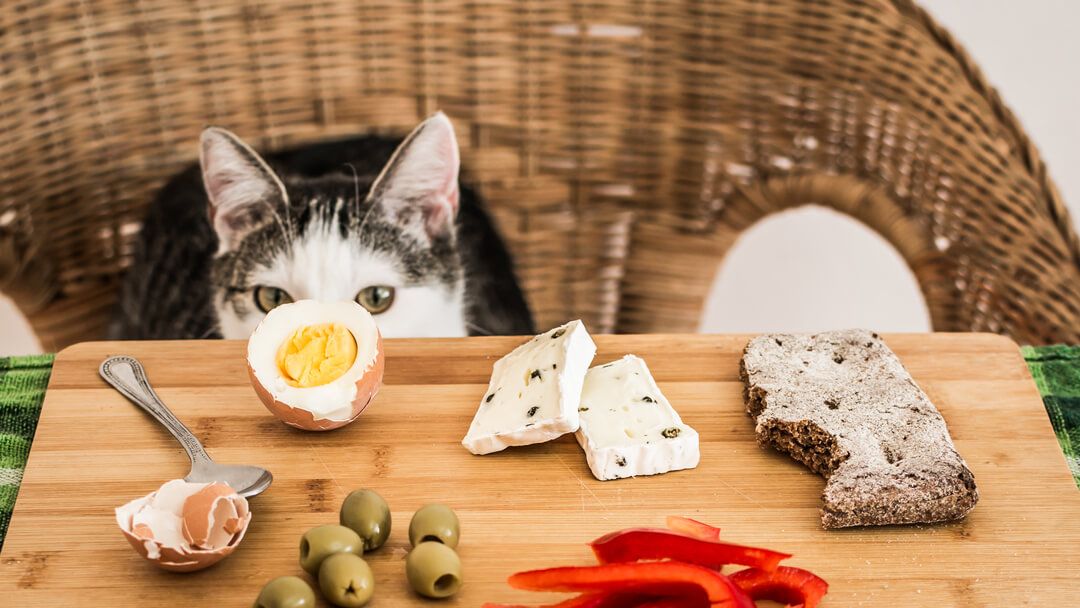
Cats are curious by nature, especially when it comes to food. If you have ever noticed your cat sniffing your plate or staring intently while you eat, you may have wondered which human foods are actually safe for cats. While cats are obligate carnivores and thrive best on a balanced commercial cat food diet, some human foods can be given safely in small amounts. Knowing what human food cats can eat helps you avoid accidental poisoning and ensures your pet stays healthy.
This in-depth guide explains what human foods cats can eat, which foods should only be given occasionally, and which foods are dangerous. The headings are designed to help readers quickly scan and find the information they need.
Understanding a Cat’s Nutritional Needs
Before sharing any human food with your cat, it is important to understand how cats’ nutritional needs differ from humans.
Cats require:
- High levels of animal-based protein
- Essential amino acids such as taurine
- Certain vitamins found naturally in meat
- Fats for energy
General Rules for Feeding Human Food to Cats
When giving human food to cats, follow these basic rules to keep them safe.
- Offer human food only in small amounts
- Make sure the food is plain and unseasoned
- Avoid salt, sugar, garlic, onion, and spices
- Cook food thoroughly unless stated otherwise
- Introduce new foods slowly
Safe Human Foods Cats Can Eat
Many common foods found in your kitchen are safe for cats when prepared correctly. These foods are best given occasionally rather than daily.
Cooked Meat Cats Can Eat
Meat is the most natural human food for cats, as it closely matches their dietary needs.
Chicken
Plain, cooked chicken is one of the safest and most popular human foods for cats. It should be:
- Fully cooked
- Skinless
- Boneless
- Free from seasoning
Turkey
Cooked turkey is also safe for cats when prepared properly. Avoid processed turkey such as deli meat, which contains salt and preservatives.
Beef
Lean, cooked beef can be given to cats in small amounts. It should be cut into small pieces and cooked thoroughly to avoid bacteria.
Lamb
Cooked lamb is safe for cats and provides protein and fat. It should be fed sparingly due to its higher fat content.
Fish Cats Can Eat
Fish can be appealing to cats, but it should not be a daily food.
Cooked Salmon
Cooked salmon is safe for cats and rich in omega-3 fatty acids. Make sure it is:
- Fully cooked
- Boneless
- Unseasoned
Tuna
Plain tuna packed in water can be offered occasionally. Too much tuna may lead to nutritional imbalance or mercury exposure.
White Fish
Cooked cod or haddock is safe for cats and easy to digest.
Raw fish should be avoided, as it may contain parasites or enzymes that destroy essential vitamins.
Eggs Cats Can Eat
Eggs are a good source of protein and amino acids.
Cooked Eggs
Cats can eat:
- Scrambled eggs without butter or seasoning
- Boiled eggs
Dairy Products Cats Can Eat in Small Amounts
Many people believe cats love milk, but most adult cats are lactose intolerant.
Cheese
Small amounts of plain cheese can be safe for some cats. Hard cheeses are usually better tolerated than soft ones.
Yogurt
Plain, unsweetened yogurt may be tolerated by some cats and can provide beneficial probiotics.
Milk and cream should generally be avoided, as they can cause digestive upset.
Vegetables Cats Can Eat
Vegetables are not necessary for cats, but some are safe in small quantities.
Cooked Carrots
Soft, cooked carrots are safe and can be mashed or chopped into tiny pieces.
Peas
Plain cooked peas are sometimes used in commercial cat foods and are safe in moderation.
Green Beans
Cooked green beans can be offered as a low-calorie snack.
Vegetables should always be cooked and served plain.
Fruits Cats Can Eat
Fruits are not essential for cats, but some can be offered as occasional treats.
Apples
Cats can eat small pieces of apple without seeds or skin.
Blueberries
Blueberries are safe and contain antioxidants. Some cats enjoy them as treats.
Bananas
Small amounts of banana are safe but should be given rarely due to sugar content.
Fruit should always be offered in very small amounts.
Grains and Carbohydrates Cats Can Eat
Cats do not need grains, but some are safe in limited quantities.
Cooked Rice
Plain cooked rice is often used to help cats with digestive issues.
Oatmeal
Plain cooked oatmeal can be safe in small amounts.
Bread and baked goods should be avoided, especially if they contain yeast or sugar.
Human Foods Cats Should Eat Only Occasionally
Some human foods are not toxic but should be limited.
- Processed meats
- Fatty cuts of meat
- Fried foods
- Foods high in carbohydrates
Human Foods That Are Dangerous for Cats
Knowing what foods to avoid is just as important as knowing what is safe.
Toxic Foods for Cats
The following foods should never be given to cats:
- Onions and garlic
- Chocolate
- Grapes and raisins
- Alcohol
- Caffeine
- Xylitol
- Raw dough
- Avocado
Bones and Fat Trimmings
Cooked bones can splinter and cause choking or internal injury. Fat trimmings can lead to pancreatitis and should be avoided.
Spices and Seasonings
Salt, pepper, and spices can irritate a cat’s digestive system and should never be added to food intended for cats.
How to Safely Introduce Human Food to Cats
If you decide to share human food with your cat, do so carefully.
- Start with a very small portion
- Watch for vomiting or diarrhea
- Avoid feeding multiple new foods at once
- Stop immediately if adverse reactions occur
Signs a Human Food Does Not Agree with Your Cat
Even safe foods can cause issues in some cats. Watch for these signs:
- Vomiting
- Diarrhea
- Lethargy
- Loss of appetite
- Excessive scratching
Can Kittens Eat Human Food
Kittens have more sensitive digestive systems than adult cats. Human food should generally be avoided for kittens unless advised by a veterinarian. Kittens require specially formulated food to support growth and development.
How Often Can Cats Eat Human Food
Human food should be treated as an occasional treat rather than a regular meal. Ideally, it should make up less than ten percent of your cat’s daily caloric intake.
Overfeeding human food can lead to nutritional deficiencies and weight gain.
Homemade Food Versus Commercial Cat Food
While some owners prefer homemade diets, creating a nutritionally complete meal for cats is challenging. Commercial cat foods are formulated to meet all nutritional requirements.
Human foods can complement a diet but should not replace high-quality cat food without professional guidance.
Benefits of Giving Cats Safe Human Foods
When used correctly, safe human foods can offer benefits such as:
- Added variety and enrichment
- High-quality protein sources
- Bonding between owner and cat
Frequently Asked Questions About Human Food for Cats
Can cats eat cooked chicken every day
While cooked chicken is safe, feeding it daily without a balanced diet can lead to nutritional deficiencies.
Can cats eat fish every day
Fish should be limited, as excessive consumption may cause vitamin deficiencies or mercury exposure.
Can cats eat vegetables regularly
Vegetables are optional and should only be occasional treats.
Final Thoughts on What Human Food Can Cats Eat
Understanding what human food cats can eat helps you make safe and informed choices for your pet. Cats thrive on animal-based diets, and while certain human foods can be shared safely, they should never replace a nutritionally complete cat food.
By offering plain, cooked, and unseasoned foods in small amounts, you can safely treat your cat while protecting their health. Always prioritize your cat’s specific dietary needs, observe how they react to new foods, and consult a veterinarian if you are unsure. A thoughtful and balanced approach ensures your cat stays happy, healthy, and well-nourished for years to come.