
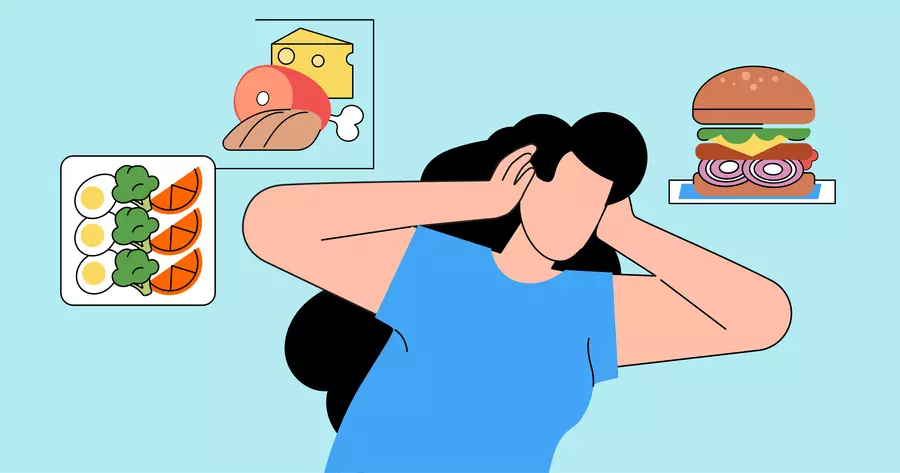
Food noise is a term many people resonate with instantly, even if they’ve never heard it before. It describes the constant mental chatter about food — thinking about what to eat, when to eat, what not to eat, feeling guilty after eating, or planning the next meal even when you’re not physically hungry. For some, food noise is a mild distraction. For others, it can feel overwhelming, exhausting, and emotionally draining.
This guide explores what food noise really is, why it happens, and most importantly, how to stop food noise in a sustainable, compassionate, and realistic way. This is not about extreme dieting or silencing hunger. It’s about restoring trust with your body and reclaiming mental space.
What Is Food Noise?
Food noise refers to persistent thoughts, urges, and emotional reactions related to food that go beyond normal hunger cues. It can feel like your mind is always preoccupied with eating or resisting eating.
Common signs of food noise include:
- Thinking about food immediately after finishing a meal
- Feeling anxious when you don’t know what your next meal will be
- Constantly craving specific foods, especially “forbidden” ones
- Mental bargaining like “I’ll eat this now and restrict later”
- Guilt, shame, or self-criticism after eating
- Difficulty focusing because thoughts keep returning to food
Why Food Noise Happens
Understanding why food noise exists is a critical step toward reducing it. When you address the root causes, the mental chatter often softens naturally.
Dieting and Restriction
One of the biggest drivers of food noise is restriction. When the body perceives food scarcity, it responds by increasing thoughts about food. This is a survival mechanism, not a flaw.
Even subtle restriction, such as avoiding certain food groups, eating less than your body needs, or labeling foods as “bad,” can amplify food noise.
Blood Sugar Imbalances
Skipping meals, eating very low-carb or low-calorie diets, or going long periods without food can lead to blood sugar dips. When blood sugar drops, the brain signals urgency around food, often experienced as cravings or obsessive thoughts.
Emotional Regulation Through Food
Food is often used to cope with stress, boredom, loneliness, or anxiety. When emotional needs aren’t being met elsewhere, the brain turns to food as a reliable source of comfort or stimulation.
Hormonal and Biological Factors
Hormones like ghrelin (hunger hormone) and leptin (satiety hormone) play a huge role in appetite regulation. Chronic dieting, poor sleep, stress, and metabolic conditions can disrupt these signals, increasing food noise.
Food Environment and Culture
We live in a world saturated with food cues. Advertisements, social media, diet culture, and constant messaging about body size and “healthy eating” can keep food at the forefront of your mind even when your body isn’t asking for it.
The Difference Between Hunger and Food Noise
Before learning how to stop food noise, it’s essential to distinguish it from genuine hunger. Ignoring real hunger often makes food noise worse.
Physical hunger signs include:
- Stomach growling or emptiness
- Low energy or difficulty concentrating
- Headaches or irritability
- Feeling weak or lightheaded
Importantly, both deserve attention. Emotional hunger is still a valid experience, but it requires a different response than physical hunger.
How to Stop Food Noise by Nourishing Your Body Properly
Eat Enough Food
One of the most powerful ways to reduce food noise is simply eating enough. Under-eating keeps the brain in a constant state of alert.
Make sure your meals are:
- Calorically sufficient
- Balanced with carbohydrates, protein, and fats
- Eaten regularly throughout the day
Don’t Skip Meals
Skipping meals might feel productive or disciplined, but it often backfires. Regular meals help stabilize blood sugar and reduce the intensity of cravings later in the day.
Aim for three meals a day, with snacks if needed. Consistency matters more than perfection.
Include Carbohydrates Without Fear
Carbohydrates are a primary energy source for the brain. When carbs are restricted, the brain becomes preoccupied with food.
Including foods like rice, bread, potatoes, fruits, and grains can significantly calm food noise over time.
How to Stop Food Noise by Making Peace With Food
Remove Moral Labels From Food
When foods are labeled as “good” or “bad,” they gain emotional power. Forbidden foods often become the loudest source of food noise.
Practice neutral language:
- Instead of “junk food,” say “fun food” or simply name the food
- Instead of “clean eating,” say “balanced eating”
Allow All Foods
Permission to eat all foods doesn’t mean you’ll eat everything all the time. It means food no longer feels scarce.
When foods are allowed, cravings often lose their intensity. Over time, your preferences become more balanced and intuitive.
Eat the Foods You Crave Intentionally
Ignoring cravings usually makes them stronger. If you’re craving something, try eating it mindfully, without distraction, and without guilt.
Notice how it tastes, how your body feels, and whether the craving is satisfied. This builds trust between you and your body.
Emotional Strategies to Reduce Food Noise
Identify Emotional Triggers
Food noise often spikes during emotional moments. Ask yourself gently:
- Am I stressed, tired, lonely, or bored?
- What do I actually need right now?
Build Non-Food Coping Tools
Food can still be part of comfort, but it shouldn’t be the only tool available. Expanding your coping toolbox reduces pressure on food.
Examples include:
- Going for a short walk
- Journaling thoughts and feelings
- Deep breathing or grounding exercises
- Listening to music or podcasts
- Reaching out to a friend
Address Stress and Sleep
Chronic stress and lack of sleep significantly increase food noise by disrupting hunger hormones.
Improving sleep quality and managing stress through boundaries, relaxation, or professional support can dramatically reduce mental food chatter.
How to Stop Food Noise Through Mindful Eating
Slow Down During Meals
Eating quickly can disconnect you from fullness cues, leading to continued thoughts about food afterward.
Try to:
- Sit down for meals
- Chew thoroughly
- Put utensils down between bites
Check In With Your Body
During meals, pause and ask:
- Am I still hungry?
- Am I comfortably full?
- Does this food still taste good?
Eat Without Distractions When Possible
Eating while scrolling or working can prevent satisfaction, making food noise linger. Even one distraction-free meal a day can help rebuild connection with hunger and fullness.
The Role of Body Image in Food Noise
Diet Culture Fuels Food Noise
Constant pressure to change your body keeps food on your mind. When eating feels like a test you can fail, food becomes emotionally charged.
Challenging diet culture beliefs is a key part of stopping food noise.
Practice Body Neutrality
You don’t have to love your body to respect it. Body neutrality focuses on what your body does rather than how it looks.
This shift reduces the urge to control food as a way to control appearance.
Wear Comfortable Clothing
Tight or uncomfortable clothing can increase body awareness and trigger food guilt. Dressing for comfort supports a calmer relationship with food.
Medical and Biological Considerations
For some people, food noise has a strong biological component. Conditions such as insulin resistance, hormonal imbalances, ADHD, or certain medications can intensify food-related thoughts.
If food noise feels extreme or unmanageable despite lifestyle changes, seeking medical or professional guidance can be helpful. This is not a failure; it’s self-care.
How Long Does It Take to Stop Food Noise?
There is no fixed timeline. For some, food noise begins to quiet within weeks of consistent nourishment. For others, especially those with long dieting histories, it may take months.
Progress is rarely linear. Some days will feel peaceful, others louder. What matters is staying consistent and compassionate.
Signs food noise is improving include:
- Thinking about food less between meals
- Feeling calmer around previously triggering foods
- Less guilt after eating
- More trust in hunger and fullness cues
What Not to Do When Trying to Stop Food Noise
- Don’t try to suppress hunger
- Don’t jump from one diet to another
- Don’t rely solely on willpower
- Don’t shame yourself for struggling
Final Thoughts: Finding Freedom From Food Noise
Stopping food noise is not about controlling your thoughts or eating perfectly. It’s about creating safety, consistency, and trust between you and your body.
When your body feels nourished, respected, and listened to, the mind no longer needs to shout about food. The space once filled with food noise can be reclaimed for creativity, connection, focus, and joy.
Freedom from food noise is possible. It begins with permission, patience, and the belief that your body is not the enemy — it’s the guide.