
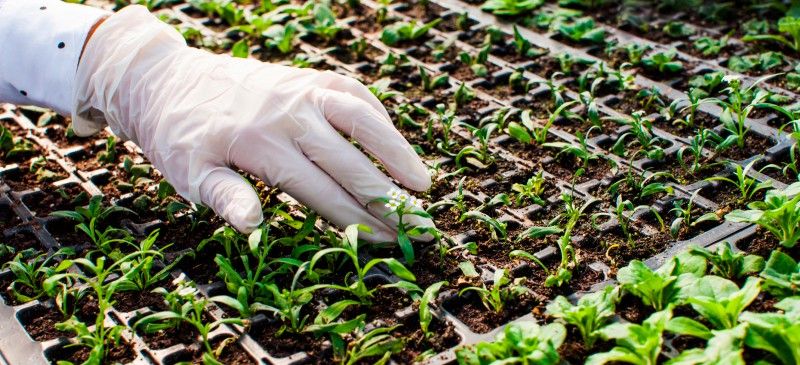
The term bioengineered food appears more frequently on food labels, grocery store shelves, and public discussions about health and sustainability. For many consumers, it raises questions, curiosity, and sometimes concern. What exactly does bioengineered food mean? How is it different from genetically modified food? Is it safe to eat? And why are foods labeled this way?
This comprehensive guide explains the meaning of bioengineered food in clear, practical terms. It explores how bioengineered foods are made, why they exist, how they are regulated, and what they mean for consumers, farmers, and the global food system.
What Does Bioengineered Food Mean?
Bioengineered food refers to food products that contain detectable genetic material that has been modified through modern biotechnology. This modification could not have been achieved through traditional breeding methods alone.
In simpler terms, bioengineered foods are made from plants or animals whose DNA has been altered in a laboratory to achieve specific traits, such as resistance to pests, tolerance to herbicides, improved shelf life, or enhanced nutritional content.
The term “bioengineered” is often used in official labeling systems and regulations, particularly in the United States, to describe what many people previously called genetically modified organisms (GMOs).
Bioengineered Food vs Genetically Modified Food
Many people wonder whether bioengineered food and genetically modified food are the same thing. While the terms are closely related, they are not always used interchangeably.
Genetically Modified Food
Genetically modified food refers broadly to any food whose genetic material has been altered. This can include older methods such as selective breeding, hybridization, and crossbreeding, which humans have practiced for thousands of years.
Bioengineered Food
Bioengineered food specifically refers to foods modified using recombinant DNA technology, gene editing, or other modern biotechnology tools. These methods allow scientists to insert, delete, or alter genes with a level of precision not possible through traditional breeding.
In regulatory contexts, “bioengineered” is a more precise and legally defined term.
How Bioengineered Foods Are Created
To understand what bioengineered food means, it helps to understand how these foods are developed.
Identifying Desired Traits
Scientists begin by identifying a trait they want to introduce or enhance. This could include:
- Resistance to insects or disease
- Tolerance to drought or extreme temperatures
- Improved nutritional value
- Longer shelf life
- Reduced need for pesticides
Modifying Genetic Material
Using biotechnology tools, scientists alter the organism’s DNA. This may involve:
- Transferring a gene from another organism
- Editing existing genes to express differently
- Silencing genes that cause undesirable traits
Testing and Evaluation
Before bioengineered foods reach the market, they undergo extensive testing to evaluate safety, environmental impact, and effectiveness. This includes laboratory studies, field trials, and regulatory reviews.
Why Bioengineered Foods Exist
Bioengineered foods were developed to address challenges in agriculture, nutrition, and food security. Their purpose extends beyond profit and convenience.
Improving Crop Yields
Bioengineered crops can produce higher yields, helping farmers grow more food on the same amount of land. This is especially important as the global population continues to grow.
Reducing Crop Loss
Some bioengineered crops are designed to resist pests or diseases, reducing crop losses and improving food availability.
Enhancing Nutritional Value
Certain bioengineered foods are developed to contain higher levels of vitamins or minerals. This can help address nutrient deficiencies in regions where access to diverse diets is limited.
Supporting Environmental Sustainability
By reducing the need for pesticides, water, or land expansion, bioengineered foods can help lower agriculture’s environmental footprint when used responsibly.
Common Examples of Bioengineered Foods
Many everyday foods contain ingredients derived from bioengineered crops, even if the final product doesn’t look different.
Common Bioengineered Crops
Some of the most widely grown bioengineered crops include:
- Corn
- Soybeans
- Cotton
- Canola
- Sugar beets
- Alfalfa
Bioengineered Ingredients in Processed Foods
Processed foods may contain bioengineered ingredients such as:
- High-fructose corn syrup
- Soy lecithin
- Canola oil
- Cornstarch
- Sugar derived from sugar beets
What Does the Bioengineered Food Label Mean?
In some countries, including the United States, foods containing bioengineered ingredients may carry a bioengineered food disclosure.
Purpose of the Label
The label is intended to provide transparency, not a safety warning. It helps consumers make informed choices based on personal preferences.
Types of Bioengineered Disclosures
Labels may appear as:
- Text stating “Bioengineered Food”
- A symbol indicating bioengineered content
- A QR code or digital link to more information
Are Bioengineered Foods Safe to Eat?
One of the most common questions people ask is whether bioengineered foods are safe.
Scientific Consensus on Safety
Major scientific and health organizations worldwide agree that approved bioengineered foods are as safe as conventional foods. These organizations include food safety authorities, public health agencies, and scientific research institutions.
Regulatory Oversight
Bioengineered foods undergo rigorous evaluation before approval. This includes assessing:
- Toxicity
- Allergen potential
- Nutritional equivalence
- Environmental impact
Ongoing Monitoring
Even after approval, bioengineered foods continue to be monitored as part of broader food safety systems.
Environmental Impact of Bioengineered Foods
The environmental effects of bioengineered foods depend on how they are used and managed.
Potential Environmental Benefits
- Reduced pesticide use in some crops
- Lower greenhouse gas emissions through efficient farming
- Conservation of soil and water resources
Environmental Concerns
- Development of resistant pests or weeds
- Reduced biodiversity if monocultures dominate
- Dependence on specific farming systems
Bioengineered Foods and Organic Foods
Bioengineered foods and organic foods follow very different standards.
Organic Food Standards
Organic foods are produced without synthetic pesticides, fertilizers, or genetic engineering. Certified organic products cannot contain bioengineered ingredients.
Choosing Between Bioengineered and Organic
Choosing organic or non-bioengineered foods is a personal decision influenced by values, budget, availability, and beliefs about sustainability and health.
Consumer Concerns About Bioengineered Foods
Despite scientific consensus, some consumers remain cautious about bioengineered foods.
Common Concerns
- Long-term health effects
- Environmental sustainability
- Corporate control of the food supply
- Ethical considerations
Importance of Transparency
Clear labeling, public education, and open dialogue help consumers make informed choices without fear or misinformation.
How Bioengineered Foods Affect Farmers
Bioengineered foods also influence agricultural practices and farmer livelihoods.
Advantages for Farmers
- Increased crop reliability
- Reduced losses from pests or weather
- Improved efficiency and productivity
Challenges for Farmers
- Seed costs and licensing agreements
- Market restrictions in certain regions
- Consumer perception issues
Global Use of Bioengineered Foods
Bioengineered foods are grown and consumed worldwide, though acceptance varies by region.
Countries That Widely Use Bioengineered Crops
Many countries use bioengineered crops extensively to support agriculture and food production.
Regions With Strict Regulations
Some regions impose strict regulations or labeling requirements, reflecting cultural, political, or consumer preferences.
Global policies continue to evolve as technology advances.
The Future of Bioengineered Foods
Advances in biotechnology are shaping the future of food.
New Technologies
Modern gene-editing tools allow for more precise changes, potentially reducing concerns associated with earlier genetic modification methods.
Potential Innovations
Future bioengineered foods may focus on:
- Climate resilience
- Reduced allergens
- Improved taste and texture
- Enhanced nutritional profiles
Making Informed Choices About Bioengineered Foods
Understanding what bioengineered food means empowers consumers to make choices aligned with their values.
Tips for Consumers
- Read food labels carefully
- Learn about food production methods
- Balance personal preferences with scientific evidence
- Avoid fear-based information
Final Thoughts: What Does Bioengineered Food Mean for You?
Bioengineered food means food produced using modern biotechnology to modify genetic material in precise ways. These foods are developed to improve agricultural efficiency, sustainability, and nutrition while meeting strict safety standards.
For consumers, the presence of bioengineered foods offers choice. Whether you choose to consume them or avoid them, understanding what the term truly means helps you navigate food labels with confidence rather than confusion.
At its core, the conversation about bioengineered food is not just about science. It’s about trust, transparency, and how we choose to feed ourselves and the world.