
Fishing has been practiced for thousands of years as a means of survival, recreation, and competition. Yet one question continues to spark debate among enthusiasts and critics alike: Is fishing a sport? Some view it as a peaceful hobby, while others argue it meets all the criteria of a legitimate sport. To answer this question thoroughly, we must explore what defines a sport, how fishing compares to traditional athletic activities, and how competitive fishing has evolved globally.
This in-depth guide examines the physical, mental, competitive, and cultural aspects of fishing to determine whether it truly qualifies as a sport.
What Defines a Sport?
Before determining whether fishing is a sport, it’s important to understand what qualifies an activity as one.
Common Characteristics of a Sport
Most widely accepted definitions of sport include the following elements:
- Physical skill or exertion
- Mental strategy and decision-making
- Competition between individuals or teams
- Formal rules and regulations
- Organized events or leagues
- Training and skill development
The Physical Demands of Fishing
One of the biggest arguments against fishing being a sport is the misconception that it requires little physical effort. In reality, fishing can be physically demanding depending on the method, environment, and duration.
Strength and Endurance
Fishing often requires:
- Repeated casting motions
- Maintaining balance on boats or riverbanks
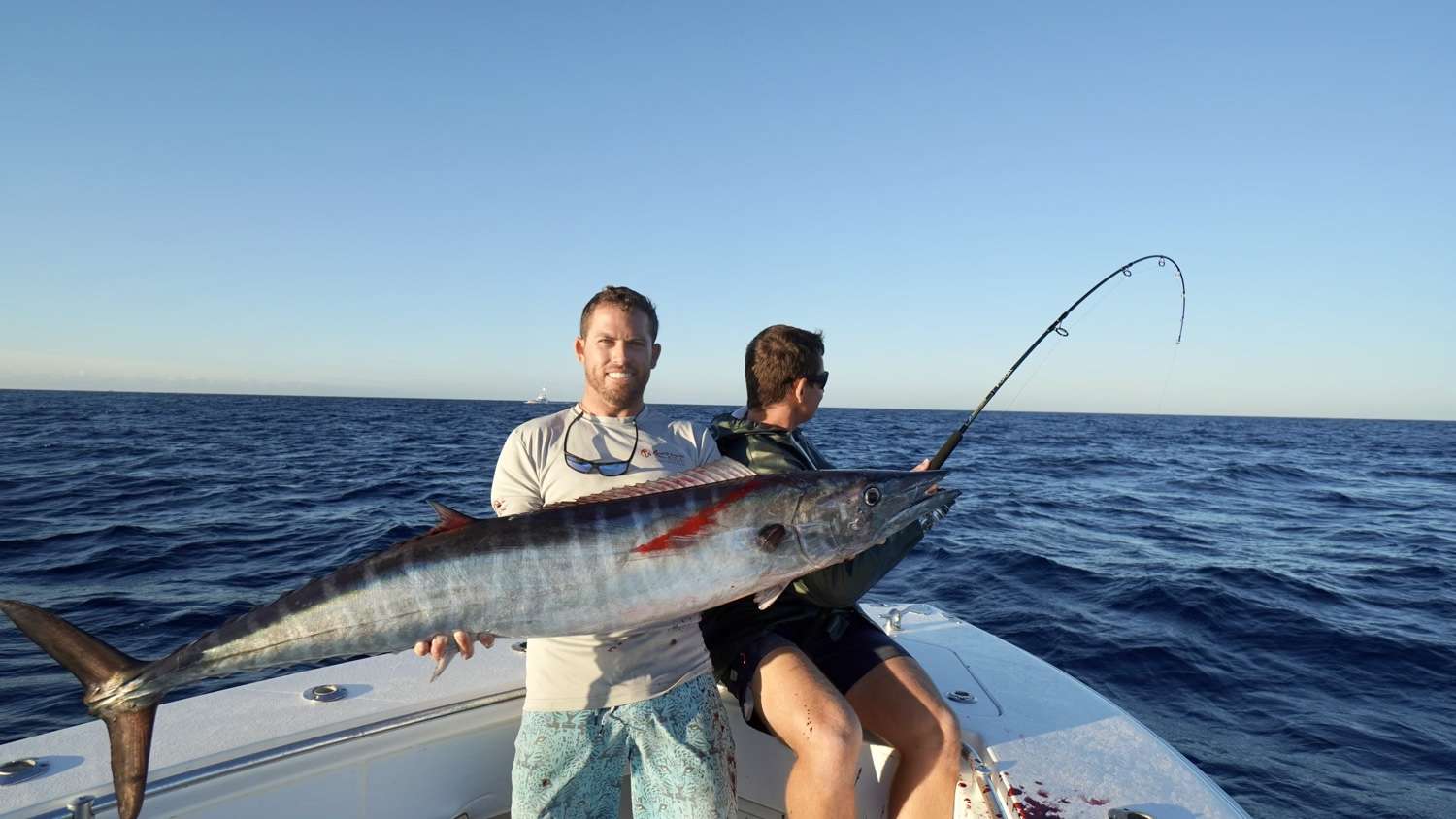
- Fighting strong fish for extended periods
- Standing or walking for hours
Environmental Challenges
Anglers frequently face:
- Extreme heat or cold
- Wind, waves, and currents
- Uneven or slippery terrain
The Mental Skill Involved in Fishing
Sports are not defined by physical exertion alone. Mental discipline and strategy are essential components.
Strategic Decision-Making
Fishing requires constant mental evaluation, such as:
- Selecting the right bait or lure
- Understanding fish behavior
- Reading water conditions
- Timing movements precisely
Focus and Patience
Unlike fast-paced sports, fishing tests:
- Concentration over long periods
- Emotional control
- Situational awareness
Competitive Fishing: The Strongest Argument
Perhaps the clearest evidence that fishing is a sport lies in competitive angling.
Organized Fishing Tournaments
Fishing competitions are held worldwide and include:
- Bass fishing tournaments
- Fly fishing championships
- Ice fishing contests
- Deep-sea fishing competitions
Professional Fishing Leagues
Fishing has professional organizations, including:
- Major League Fishing (MLF)
- Bassmaster Elite Series
- FLW Tour
- International Game Fish Association (IGFA)
Rules and Regulations in Fishing
Every recognized sport operates under standardized rules—and fishing is no exception.
Governing Bodies
Fishing is regulated by organizations that define:
- Equipment standards
- Catch limits
- Ethical practices
- Tournament rules
Scoring Systems
Competitive fishing uses clear metrics, such as:
- Total weight of catch
- Number of fish caught
- Species classification
- Time-based scoring
Fishing vs Traditional Sports
Critics often compare fishing to high-intensity sports and dismiss it due to lower physical activity. However, this comparison overlooks many recognized sports.
Sports With Similar Physical Profiles
Fishing shares similarities with sports like:
- Golf
- Archery
- Shooting
- Bowling
Recreational Fishing vs Sport Fishing
Not all fishing is competitive, just as not all running is marathon racing.
Recreational Fishing
- Focuses on relaxation
- Often social or solitary
- Minimal pressure
Sport Fishing
- Competitive by nature
- Requires advanced skills
- Often includes strict rules
- Focuses on performance and results
Olympic and International Recognition
While fishing is not currently an Olympic sport, many internationally recognized sporting bodies acknowledge it.
International Sport Recognition
Fishing is recognized by:
- International Sport Fishing Confederations
- National sports authorities in multiple countries
- University and collegiate competitions
Training and Skill Development
Athletes train—and so do anglers.
Training Methods for Anglers
Professional anglers engage in:
- Technique refinement
- Strength and conditioning
- Equipment mastery
- Environmental study
- Mental focus training
Economic and Cultural Impact
Sports often influence culture and economy—and fishing does both.
Economic Contributions
Sport fishing generates revenue through:
- Equipment sales
- Tournaments
- Sponsorships
- Media coverage
- Tourism
Cultural Significance
Fishing holds cultural importance across civilizations, evolving from survival to recreation to organized sport.
Ethical and Conservation Considerations
Modern sport fishing emphasizes sustainability.
Catch and Release Practices
Many competitive events require:
- Live fish handling
- Immediate release
- Conservation compliance
Common Arguments Against Fishing as a Sport
“Fishing Is Just Sitting Around”
This oversimplification ignores:
- Physical strain
- Mental strategy
- Environmental challenges
“There’s No Competition”
Competitive fishing clearly disproves this claim with professional leagues and global tournaments.
“It’s Not Physically Intense Enough”
Intensity varies across all sports. Precision-based sports are still sports.
Why Fishing Meets the Definition of a Sport
When evaluated objectively, fishing meets all major criteria of a sport:
- Requires physical skill and endurance
- Demands mental focus and strategy
- Involves structured competition
- Has governing bodies and rules
- Includes professional athletes
- Features training and performance standards
Final Verdict: Is Fishing a Sport?
Yes—fishing is a sport.
While it can also be a hobby or recreational activity, competitive and sport fishing clearly align with the definition of sport. Its blend of physical skill, mental strategy, structured competition, and professional recognition places it firmly alongside other accepted athletic disciplines.
Whether casting from a riverbank, competing in a bass tournament, or fly fishing in mountain streams, anglers demonstrate athletic ability, discipline, and competitive spirit. Fishing may not look like traditional sports—but it earns its place among them.
If you’d like, I can also provide SEO title options, FAQ schema questions, or internal linking suggestions for this page.