
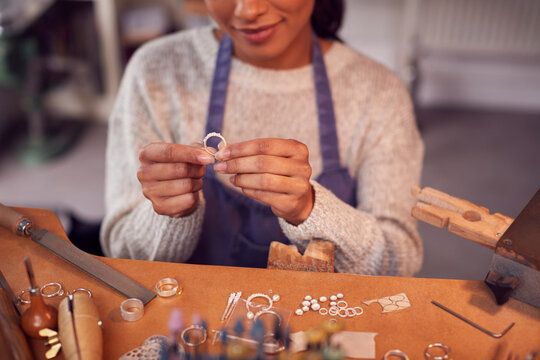
Jewelry making is both an ancient craft and a modern creative business. From simple beaded bracelets to intricate metalwork, learning how to make jewelry allows you to express personal style, create meaningful gifts, and even build a profitable brand. This in-depth guide walks you through everything you need to know—from basic tools and materials to advanced techniques and finishing your own handmade pieces.
Whether you are a complete beginner or someone looking to refine your skills, this comprehensive article will help you understand the process of making jewelry step by step.
Understanding Jewelry Making
Jewelry making is the art of designing and assembling wearable decorative items such as necklaces, earrings, bracelets, rings, and anklets. It involves combining materials like beads, metals, gemstones, wire, thread, and clay using specialized tools and techniques.
At its core, jewelry making blends creativity with craftsmanship. You design a piece, choose appropriate materials, shape and assemble components, and finish the jewelry so it is both attractive and durable.
Types of Jewelry You Can Make
Before diving into tools and techniques, it helps to understand the main types of jewelry you can create.
Beaded Jewelry
Beaded jewelry is one of the easiest and most popular forms for beginners. It includes:
- Beaded necklaces
- Bracelets
- Anklets
- Simple earrings
Wire Jewelry
Wire jewelry involves shaping metal wire into decorative forms. It can be simple or complex and includes:
- Wire-wrapped pendants
- Rings
- Earrings
- Bracelets
Metal Jewelry
Metal jewelry involves cutting, shaping, soldering, and polishing metal sheets or wires. It is more advanced and includes:
- Silver or gold rings
- Metal cuffs
- Custom pendants
Clay Jewelry
Clay jewelry uses materials like polymer clay or air-dry clay to form colorful and artistic pieces such as:
- Earrings
- Pendants
- Charms
Resin Jewelry
Resin jewelry involves casting designs in molds using epoxy or UV resin, often embedding flowers, glitter, or small objects.
Essential Jewelry Making Tools
Having the right tools makes jewelry making easier and more enjoyable. You do not need everything at once, especially as a beginner.
Basic Tools for Beginners
- Round-nose pliers for making loops
- Chain-nose pliers for gripping and bending
- Flat-nose pliers for flattening and holding
- Wire cutters for cutting wire and headpins
- Scissors for thread and cord
- Measuring tape or ruler
Optional and Advanced Tools
- Crimping pliers
- Jewelry hammer
- Mandrel for ring sizing
- Bead reamer
- Rotary tool for polishing
- Soldering kit for metalwork
Common Jewelry Making Materials
Choosing the right materials is just as important as the tools.
Beads
Beads come in countless shapes, sizes, and materials:
- Glass beads
- Crystal beads
- Gemstone beads
- Wooden beads
- Metal beads
Wire
Jewelry wire is available in different metals and thicknesses:
- Copper
- Brass
- Aluminum
- Sterling silver
- Gold-filled
Findings
Findings are the small components that hold jewelry together:
- Clasps
- Jump rings
- Ear wires
- Headpins
- Crimp beads
Stringing Materials
- Nylon-coated beading wire
- Elastic cord
- Silk thread
- Leather cord
Decorative Elements
- Charms
- Pendants
- Tassels
- Gemstones
- Enamel pieces
Designing Your Jewelry
Design is the foundation of any successful jewelry piece.
Finding Inspiration
Inspiration can come from:
- Nature
- Fashion trends
- Cultural patterns
- Personal experiences
- Art and architecture
Choosing Colors and Materials
Consider color harmony, texture, and weight. For example:
- Warm metals pair well with earthy gemstones
- Bright beads work well for casual jewelry
- Neutral tones suit minimalist designs
Planning Functionality
Design should not only look good but also function well:
- Necklaces should sit comfortably
- Earrings should not be too heavy
- Clasps should be easy to use
Step-by-Step: Making Simple Beaded Jewelry
This example shows how to make a basic beaded necklace.
Step 1: Gather Materials
- Beads of your choice
- Beading wire
- Clasp
- Crimp beads
- Pliers
Step 2: Measure and Cut Wire
Measure the desired necklace length and add extra inches for finishing. Cut the wire using wire cutters.
Step 3: Add Crimp and Clasp
Slide a crimp bead onto the wire, then add one side of the clasp. Loop the wire back through the crimp and flatten it using crimping pliers.
Step 4: String the Beads
Arrange your beads in the desired pattern and string them onto the wire.
Step 5: Finish the Necklace
Add another crimp bead and attach the other side of the clasp. Secure and trim excess wire.
How to Make Wire-Wrapped Jewelry
Wire wrapping is a versatile technique that does not require soldering.
Basic Wire Wrapping Technique
- Cut a piece of wire
- Wrap it around a gemstone or bead
- Create loops and spirals for decoration
- Secure the ends neatly
Making Earrings at Home
Earrings are quick to make and ideal for beginners.
Materials Needed
- Ear wires
- Beads or charms
- Headpins
- Pliers
Steps
- Slide a bead onto a headpin
- Create a loop above the bead using round-nose pliers
- Attach the loop to the ear wire
- Close the loop securely
Jewelry Finishing Techniques
Finishing ensures your jewelry looks professional and lasts longer.
Polishing
Polish metal components using polishing cloths or rotary tools to remove scratches and tarnish.
Securing Connections
Ensure all jump rings and loops are tightly closed to prevent pieces from falling apart.
Cleaning
Clean finished jewelry with mild soap and water, avoiding harsh chemicals unless the materials allow it.
Common Mistakes to Avoid
- Using the wrong wire gauge
- Overloading jewelry with heavy beads
- Poorly closed jump rings
- Ignoring comfort and wearability
- Rushing the finishing process
Jewelry Making Safety Tips
Safety is important, especially when working with tools and chemicals.
- Wear eye protection when cutting wire
- Keep tools organized
- Work in a well-lit area
- Use gloves when handling resin or chemicals
- Store sharp tools safely
Turning Jewelry Making Into a Business
Many people start jewelry making as a hobby and later turn it into a business.
Pricing Your Jewelry
Consider:
- Cost of materials
- Time spent
- Skill level
- Market demand
Selling Platforms
- Online marketplaces
- Social media shops
- Craft fairs
- Personal websites
Branding and Packaging
Professional branding and attractive packaging increase perceived value and customer trust.
Advanced Jewelry Making Techniques
As you gain experience, you may explore advanced skills such as:
- Soldering
- Stone setting
- Metal stamping
- Enameling
- Lost wax casting
Maintaining and Storing Jewelry
Proper storage extends the life of handmade jewelry.
- Store pieces separately to avoid scratches
- Keep jewelry away from moisture
- Use anti-tarnish strips for metal pieces
- Clean jewelry before storing
Why Jewelry Making Is a Valuable Skill
Jewelry making offers more than just beautiful accessories. It encourages creativity, improves fine motor skills, reduces stress, and can generate income. Handmade jewelry also carries emotional value that mass-produced pieces often lack.
Final Thoughts
Learning how to make jewelry is a rewarding journey that combines art, craftsmanship, and personal expression. From simple beaded designs to advanced metalwork, there is always something new to learn and explore. With the right tools, materials, and patience, anyone can create stunning jewelry at home.
Whether you want to make jewelry for personal enjoyment, gifts, or business, the skills you develop will stay with you for a lifetime. Start small, practice regularly, and let your creativity guide you as you build beautiful, meaningful pieces one design at a time.