
Low water pressure can be one of the most frustrating problems in any household. From weak showers and slow-filling washing machines to trickling faucets and inefficient appliances, poor water pressure affects daily comfort and convenience. If you’ve ever wondered how to increase water pressure in your home, you’re not alone.
The good news is that low water pressure is often fixable. Whether the issue is caused by plumbing buildup, outdated pipes, faulty valves, or municipal supply limitations, there are solutions ranging from simple DIY fixes to professional upgrades. This comprehensive guide will help you understand the causes of low water pressure and provide actionable steps to restore strong, consistent water flow throughout your home.
What Is Considered Normal Water Pressure?
Before trying to increase water pressure, it’s important to know what’s considered normal. Residential water pressure is measured in PSI (pounds per square inch).
- Ideal range: 40–60 PSI
- Minimum acceptable pressure: 30 PSI
- High pressure risk: Above 80 PSI
Common Signs of Low Water Pressure
Low water pressure doesn’t always affect every fixture equally. Common signs include:
- Weak or uneven shower spray
- Faucets that take a long time to fill containers
- Washing machines or dishwashers running inefficiently
- Pressure drops when multiple fixtures are used
- Outdoor hoses lacking force
What Causes Low Water Pressure in a Home?
Understanding the cause is the first step to fixing the problem. Low water pressure typically results from one or more of the following issues.
Clogged Pipes or Fixtures
Over time, mineral deposits, rust, sediment, and debris can build up inside pipes and fixtures, restricting water flow.
Common problem areas include:
- Showerheads
- Faucet aerators
- Older galvanized steel pipes
Partially Closed Shutoff Valves
Homes usually have a main water shutoff valve and individual fixture shutoff valves. If any of these valves are partially closed, water flow is restricted.
This often happens after:
- Plumbing repairs
- Maintenance work
- Emergency shutoffs
Faulty Pressure Regulator
Many homes have a pressure-reducing valve (PRV) that controls incoming water pressure from the main supply. If the regulator fails or is set too low, pressure throughout the house drops.
Leaking Pipes
Hidden leaks can significantly reduce pressure. Even small leaks divert water away from fixtures, lowering available flow.
Signs of leaks include:
- Unexplained water bills
- Damp spots on walls or floors
- Mold or mildew growth
- Hissing or dripping sounds
Aging or Corroded Plumbing
Older homes with galvanized steel pipes often experience reduced pressure due to internal corrosion. As pipes narrow over time, water flow becomes restricted.
Municipal Supply Issues
Sometimes the problem isn’t inside your home. City water maintenance, aging infrastructure, or high demand during peak hours can temporarily reduce pressure.
How to Increase Water Pressure in Your Home: Step-by-Step Solutions
Now that you understand the causes, let’s explore proven ways to increase water pressure in your home.
Clean Faucet Aerators and Showerheads
This is one of the easiest and most effective fixes.
How to Do It
- Unscrew the aerator or showerhead
- Soak it in vinegar for several hours
- Scrub away mineral buildup
- Rinse and reinstall
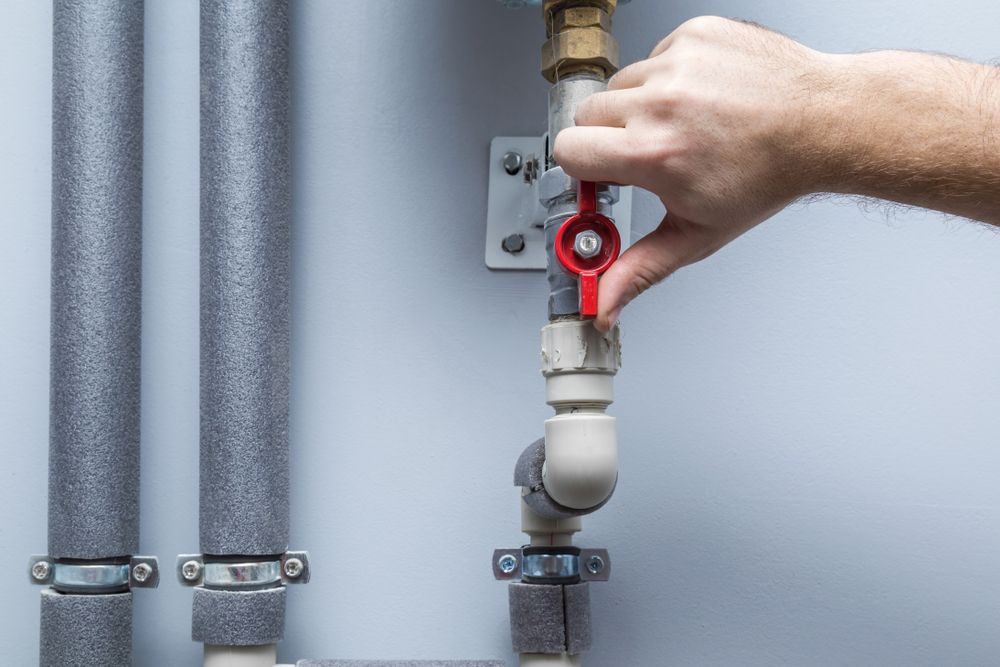
Check and Fully Open Shutoff Valves
Locate your main water shutoff valve, typically near:
- The water meter
- The basement
- A utility closet
Inspect for Leaks
Check visible pipes for signs of leakage. Pay attention to:
- Under sinks
- Around water heaters
- Basement or crawl spaces
Adjust or Replace the Pressure Regulator
If your home has a pressure regulator, it may need adjustment or replacement.
How It Works
- A regulator controls incoming pressure from the city line
- It usually has an adjustment screw or bolt
- Turning it clockwise slightly can increase pressure
Upgrade Old Plumbing Pipes
If your home still uses galvanized steel pipes, upgrading to modern materials can significantly improve pressure.
Best Replacement Options
- Copper
- PEX
- CPVC
Install a Water Pressure Booster Pump
When municipal supply pressure is consistently low, a booster pump can dramatically improve performance.
Benefits of Booster Pumps
- Increases pressure throughout the home
- Ideal for multi-story houses
- Improves appliance efficiency
- Provides consistent water flow
Replace Old or Undersized Pipes
Even if pipes aren’t corroded, undersized pipes can restrict flow. Upgrading to larger-diameter pipes improves water volume and pressure at fixtures.
Install High-Pressure Showerheads and Fixtures
Some modern fixtures are designed to maximize pressure even with low flow rates.
Features to Look For
- Pressure-compensating showerheads
- Low-flow but high-performance designs
- Adjustable spray settings
How to Increase Water Pressure in Specific Areas
Sometimes low pressure affects only certain parts of the house.
Increasing Shower Water Pressure
- Clean or replace the showerhead
- Remove flow restrictors (where legal)
- Check shower valve cartridges for buildup
- Ensure hot and cold supply valves are fully open
Improving Kitchen Sink Pressure
- Clean the faucet aerator
- Inspect supply hoses for kinks
- Replace old cartridges inside the faucet
Boosting Outdoor Hose Pressure
- Check hose connections and washers
- Use shorter hoses
- Avoid splitters that reduce flow
- Ensure outdoor shutoff valves are fully open
Preventing Future Water Pressure Problems
Once pressure improves, preventive maintenance keeps it that way.
Install a Water Softener
Hard water causes mineral buildup that restricts pipes and fixtures. A water softener:
- Reduces scale buildup
- Extends plumbing lifespan
- Improves appliance efficiency
Perform Routine Maintenance
- Clean aerators and showerheads annually
- Inspect visible pipes periodically
- Monitor water bills for unusual changes
Avoid High-Pressure Risks
While boosting pressure is beneficial, excessive pressure can damage plumbing.
Signs of Too Much Pressure
- Banging pipes (water hammer)
- Leaking fixtures
- Shortened appliance lifespan
When to Call a Professional Plumber
Some water pressure issues require expert evaluation.
Call a plumber if:
- Pressure is low throughout the entire home
- You suspect hidden leaks
- Pipes are severely corroded
- You need a pressure booster system installed
- Pressure fluctuates unpredictably
DIY vs Professional Solutions
| Solution Type | DIY Friendly | Professional Recommended |
| ----------------------------- | ------------ | ------------------------ |
| Cleaning fixtures | Yes | No |
| Opening valves | Yes | No |
| Replacing aerators | Yes | No |
| Pipe replacement | No | Yes |
| Pressure booster installation | No | Yes |
| Leak detection | Sometimes | Yes |
Knowing when to DIY and when to call a professional ensures safety and effectiveness.
How Much Does It Cost to Increase Water Pressure?
Costs vary depending on the solution.
- Cleaning fixtures: Free to $20
- Pressure regulator replacement: $150–$400
- Pipe replacement: $1,000–$10,000+
- Booster pump installation: $300–$2,000+
Final Thoughts: Restoring Strong Water Pressure in Your Home
Low water pressure doesn’t have to be a permanent inconvenience. Whether the issue is clogged fixtures, faulty valves, aging pipes, or limited municipal supply, there are effective ways to increase water pressure in your home.
By starting with simple checks and maintenance, then progressing to upgrades or professional solutions if needed, you can restore strong, reliable water flow throughout your house. Improving water pressure enhances daily comfort, appliance performance, and overall home functionality—making it well worth the effort.
If you’re dealing with persistent low pressure, addressing it now can prevent bigger plumbing problems in the future and improve your quality of life every single day.