
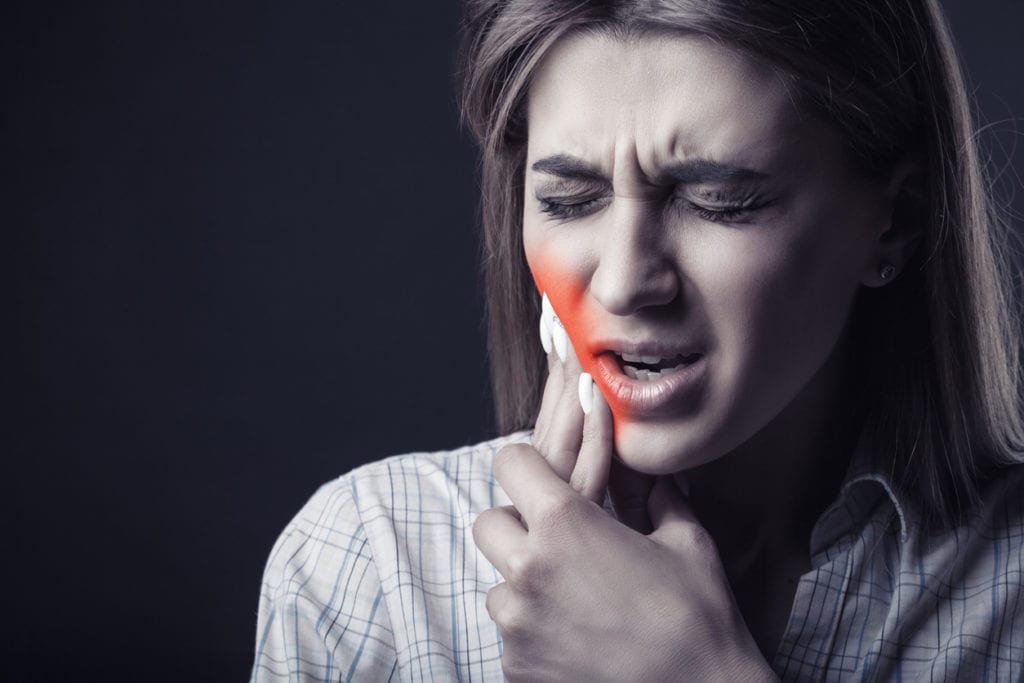
Tooth pain can feel unbearable—especially at night when dental offices are closed and distractions are minimal. Lying down often intensifies discomfort, making it difficult to fall asleep or stay asleep. If you’re desperately searching for how to stop tooth pain fast at home at night, you’re not alone.
While home remedies cannot replace professional dental treatment, they can provide temporary relief until you’re able to see a dentist. This comprehensive guide explains why tooth pain worsens at night, what causes it, and the safest and most effective ways to reduce pain quickly at home.
Why Tooth Pain Feels Worse at Night
Many people notice that tooth pain intensifies once they lie down. Several factors contribute to this.
Increased Blood Flow to the Head
When you lie flat, blood flow to the head increases. This added pressure can intensify inflammation around a painful tooth or nerve, making discomfort feel more severe.
Fewer Distractions
During the day, work and activities help distract your brain from pain. At night, silence and stillness make discomfort more noticeable.
Sinus Pressure Changes
Tooth pain—especially in upper teeth—can worsen due to sinus congestion or pressure when lying down.
Delayed Treatment
Nighttime pain often signals a progressing dental issue that hasn’t been treated yet, such as infection or nerve damage.
Understanding these factors helps explain why fast relief strategies are essential for nighttime tooth pain.
Common Causes of Tooth Pain at Night
Identifying the possible cause helps determine the most effective relief method.
Tooth Decay or Cavities
Untreated cavities expose sensitive inner layers of the tooth, leading to throbbing or sharp pain.
Gum Infection or Abscess
Bacterial infections can cause swelling, pressure, and severe pain that often worsens at night.
Cracked or Broken Tooth
Tiny fractures can expose nerves, triggering pain when pressure or temperature changes occur.
Tooth Sensitivity
Exposed enamel or receding gums can cause pain from cold, heat, or sweet foods.
Impacted Wisdom Teeth
Wisdom teeth that don’t fully erupt can cause pain, swelling, and pressure, especially at night.
How to Stop Tooth Pain Fast at Home at Night
These remedies focus on reducing pain, inflammation, and irritation so you can rest until professional care is available.
Rinse with Warm Salt Water
One of the simplest and fastest home remedies.
Why It Works
- Reduces inflammation
- Helps kill bacteria
- Cleans debris from around the tooth
How to Use
- Mix ½ teaspoon of salt in a cup of warm water
- Swish gently for 30 seconds
- Spit out and repeat 2–3 times
Apply a Cold Compress
Cold therapy helps numb pain and reduce swelling.
How to Use
- Wrap ice or a cold pack in a cloth
- Apply to the outside of your cheek for 15–20 minutes
- Repeat every few hours
Elevate Your Head While Sleeping
Keeping your head elevated reduces blood pressure around the painful area.
Tips
- Use extra pillows
- Sleep in a reclined position
- Avoid lying completely flat
Take Over-the-Counter Pain Relievers
Non-prescription medications can provide temporary relief.
Common Options
- Ibuprofen (reduces inflammation)
- Acetaminophen (pain relief)
Use Clove Oil for Natural Pain Relief
Clove oil contains eugenol, a natural anesthetic and antibacterial compound.
How to Use
- Dip a cotton ball in clove oil
- Gently apply to the affected tooth or gum
- Leave in place for a few minutes
Avoid Trigger Foods and Drinks
Certain foods can worsen tooth pain, especially at night.
Foods to Avoid
- Very hot or cold items
- Sugary snacks
- Hard or crunchy foods
- Acidic beverages
Gently Clean the Area
Food particles trapped near a painful tooth can increase irritation.
Best Practices
- Gently floss around the affected tooth
- Brush carefully with a soft-bristled toothbrush
- Avoid aggressive brushing
Use a Hydrogen Peroxide Rinse (With Caution)
Hydrogen peroxide can reduce bacteria and inflammation.
How to Use Safely
- Mix equal parts 3% hydrogen peroxide and water
- Swish gently for 30 seconds
- Spit out and rinse with plain water
Try Peppermint Tea Bags
Peppermint has mild numbing and anti-inflammatory properties.
How to Use
- Brew a peppermint tea bag
- Let it cool slightly
- Place the warm or cool tea bag on the affected area
Home Remedies That Should Be Avoided
Not all “natural” remedies are safe. Avoid the following:
- Aspirin directly on gums (can cause burns)
- Alcohol-based rinses
- Garlic directly on teeth for extended periods
- Excessive heat on the face
How to Reduce Tooth Pain Enough to Sleep
Sleeping with tooth pain can be challenging, but these strategies help.
Create a Comfortable Sleep Setup
- Elevate your head
- Use supportive pillows
- Sleep on the opposite side of the pain
Time Your Pain Relief
- Take pain medication 30 minutes before bedtime
- Apply a cold compress before sleeping
- Rinse with salt water right before bed
When Tooth Pain Is a Dental Emergency
Home remedies provide temporary relief, but some symptoms require immediate attention.
Seek Urgent Dental Care If You Experience
- Severe swelling in the face or jaw
- Fever with tooth pain
- Difficulty breathing or swallowing
- Pus or foul taste indicating infection
- Pain that lasts more than 1–2 days
How Long Can Home Remedies Help Tooth Pain?
Home treatments may relieve pain for:
- A few hours
- Overnight
- Up to a day or two
Preventing Future Nighttime Tooth Pain
Once the pain subsides, prevention becomes essential.
Maintain Proper Oral Hygiene
- Brush twice daily
- Floss once daily
- Use fluoride toothpaste
Schedule Regular Dental Checkups
Routine exams catch problems early before pain develops.
Address Sensitivity Early
Use desensitizing toothpaste and avoid aggressive brushing.
Treat Dental Issues Promptly
Delaying treatment often leads to worsening pain—especially at night.
Frequently Asked Questions About Tooth Pain at Night
Can tooth pain go away on its own?
Minor irritation may improve, but pain caused by cavities or infection usually worsens without treatment.
Why does lying down make tooth pain worse?
Increased blood flow and pressure around the head intensify inflammation and nerve sensitivity.
Is it safe to sleep with clove oil on a tooth?
Yes, in small amounts and for short periods, but remove before sleeping to avoid irritation.
Can stress cause tooth pain at night?
Yes. Teeth grinding or clenching due to stress can cause nighttime tooth pain and jaw soreness.
Final Thoughts: Finding Fast Relief for Tooth Pain at Night
Tooth pain at night can feel overwhelming, especially when professional help isn’t immediately available. While home remedies won’t cure the underlying issue, they can provide fast, temporary relief so you can rest and manage discomfort until you see a dentist.
By combining proven methods like saltwater rinses, cold compresses, pain relievers, and proper positioning, you can significantly reduce nighttime tooth pain at home. Always remember that persistent or severe pain is your body’s way of signaling a deeper problem—one that deserves timely dental care.
If nighttime tooth pain keeps returning, addressing the root cause is the only lasting solution. Until then, these safe and effective strategies can help you get through the night with less pain and more comfort.