
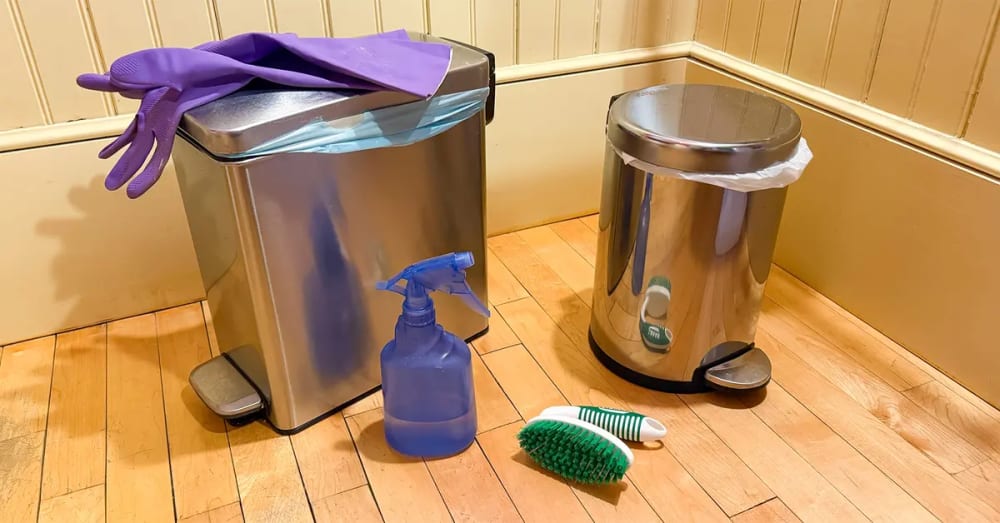
Maintaining a clean and sanitary food service environment is essential for protecting public health, ensuring food quality, and complying with health regulations. While much attention is often placed on food preparation surfaces, utensils, and storage areas, garbage cans are an equally important part of maintaining hygiene in food establishments. If not properly maintained, garbage containers can quickly become breeding grounds for bacteria, pests, foul odors, and contamination.
Food workers must understand the importance of keeping garbage cans clean and free from buildup. Proper waste management practices help prevent cross-contamination, maintain workplace cleanliness, and create a safer environment for both employees and customers. This article explores in depth how food workers should properly clean, maintain, and manage garbage cans to prevent buildup and ensure food safety.
Why Clean Garbage Cans Are Important in Food Service
Garbage containers are constantly exposed to food waste, liquids, packaging materials, and organic matter. These substances can quickly decompose, creating conditions that promote bacterial growth, unpleasant odors, and pest infestations.
Unclean garbage cans can create several problems in a food service environment, including:
- Growth of harmful bacteria
- Attraction of rodents and insects
- Spread of foul odors
- Increased risk of cross-contamination
- Violation of food safety regulations
- Negative impression on customers
Food safety guidelines require waste containers to be properly maintained to avoid contamination risks. Dirty bins can easily contaminate floors, employee hands, cleaning equipment, and nearby food preparation areas.
Maintaining clean garbage cans is not simply about appearance. It is a critical part of preventing foodborne illness and maintaining compliance with sanitation standards.
Common Causes of Garbage Can Buildup
Garbage cans in kitchens often accumulate buildup due to improper handling of waste and insufficient cleaning routines. Understanding what causes buildup can help food workers prevent it effectively.
Food Residue
Food scraps, sauces, oils, and liquids often spill or leak into the bottom of garbage cans. Over time, these residues stick to the sides and base of containers, creating a thick layer of grime.
Leaking Trash Bags
If trash bags are punctured or poorly sealed, liquids can leak into the garbage container. This leads to bacterial growth and unpleasant odors.
Infrequent Cleaning
When garbage cans are not cleaned regularly, layers of waste residue build up. Even with liners, small amounts of waste often escape and accumulate.
Improper Waste Disposal
Throwing loose food waste directly into containers without bags can cause excessive buildup. Liquids, grease, and sticky materials are especially problematic.
Poor Ventilation
Warm and humid kitchen environments accelerate the decomposition of food waste, increasing odors and bacteria inside garbage containers.
Identifying these causes helps food workers adopt better waste management practices.
Using Trash Liners to Prevent Buildup
One of the simplest and most effective ways to keep garbage cans clean is by using trash liners. Liners create a barrier between the waste and the container, preventing residue from sticking to the interior surfaces.
Food workers should always place liners inside garbage cans before use. The liner should completely cover the interior and extend over the rim so it stays securely in place.
Important practices when using liners include:
- Selecting durable liners that resist tearing
- Ensuring liners fit the container properly
- Replacing liners whenever trash is removed
- Never reusing liners
- Avoiding overfilling bags
Using high-quality liners significantly reduces the amount of cleaning required and helps keep containers free from buildup.
Emptying Garbage Frequently
Another critical step in keeping garbage cans clean is emptying them regularly. Allowing trash to accumulate increases the likelihood of leaks, odors, and bacterial growth.
Food workers should follow these guidelines:
- Empty garbage before containers become full
- Remove trash at scheduled intervals
- Dispose of waste more frequently during busy hours
- Immediately remove trash containing liquids or strong odors
Frequent removal prevents food waste from sitting long enough to decompose and create buildup.
Additionally, garbage removal should be done carefully to avoid spills. Workers should tie trash bags securely before removing them from containers.
Cleaning and Sanitizing Garbage Cans
Even when liners are used, garbage cans must still be cleaned and sanitized regularly. Small spills, leaks, or torn bags can allow residue to collect inside the container.
Proper cleaning involves multiple steps.
Step 1: Empty the Container
Before cleaning, the garbage can must be completely emptied. Workers should remove the liner and ensure no waste remains inside.
Step 2: Rinse with Water
The container should be rinsed with warm water to remove loose debris. This step helps prepare the surface for deeper cleaning.
Step 3: Apply Detergent
A food-safe cleaning detergent should be applied to the inside and outside of the container. Workers should scrub all surfaces using brushes or cleaning pads.
Special attention should be given to:
- The bottom of the container
- Interior corners
- Lid handles
- Exterior surfaces
These areas often accumulate the most buildup.
Step 4: Rinse Thoroughly
After scrubbing, the container should be rinsed again with clean water to remove detergent and loosened residue.
Step 5: Sanitize the Container
A sanitizing solution should be applied according to food safety guidelines. This step kills remaining bacteria and microorganisms.
Common sanitizing methods include:
- Approved chemical sanitizers
- Bleach solutions
- Commercial food-safe disinfectants
The sanitizer should remain on the surface for the recommended contact time.
Step 6: Air Dry
Garbage cans should be allowed to air dry completely before new liners are installed. Using towels to dry containers can reintroduce bacteria.
Regular cleaning prevents residue buildup and ensures containers remain sanitary.
Establishing a Cleaning Schedule
Consistency is key to maintaining clean garbage containers. Food establishments should create a structured cleaning schedule to ensure containers are cleaned regularly.
Cleaning frequency depends on the type of establishment, volume of waste, and local health regulations. However, general guidelines include:
- Light cleaning daily
- Deep cleaning several times per week
- Immediate cleaning after spills or leaks
- Sanitizing containers after heavy use
Supervisors should ensure staff members understand and follow these cleaning routines.
Written sanitation schedules can help ensure accountability and consistency among staff.
Preventing Odors in Garbage Containers
Odors are a common issue with garbage containers in food service environments. These odors are caused by decomposing food waste and bacterial activity.
To reduce unpleasant smells, food workers should follow several practices.
Remove Trash Often
The longer food waste sits in a container, the stronger the odor becomes. Frequent trash removal reduces odor buildup.
Clean Containers Regularly
Routine cleaning prevents organic matter from decomposing inside containers.
Keep Lids Closed
Garbage cans should have tight-fitting lids to contain odors and prevent pests from accessing the waste.
Use Odor Control Methods
Some establishments use odor-absorbing materials such as baking soda or commercial odor control products in garbage areas.
Proper ventilation in waste storage areas also helps reduce lingering smells.
Keeping Garbage Can Lids Clean
The lids of garbage containers are frequently touched by food workers. As a result, they can easily become contaminated with bacteria and food residue.
Dirty lids can spread contamination when workers touch them and then handle food or utensils.
To prevent this, lids should be cleaned and sanitized regularly. Workers should:
- Wipe lids daily
- Remove visible food residue immediately
- Include lids during routine container cleaning
- Ensure lid hinges and handles are sanitized
Hands-free lids or foot-pedal operated containers can also reduce contamination risks.
Proper Placement of Garbage Containers
The placement of garbage cans within a food service facility plays an important role in sanitation.
Containers should be located in convenient areas so workers can dispose of waste quickly without walking long distances. However, they should not be placed directly next to food preparation surfaces.
Best practices for garbage can placement include:
- Keeping containers away from food prep areas
- Positioning bins near workstations but not in direct contact with food surfaces
- Storing outdoor dumpsters away from building entrances
- Using designated waste disposal areas
Proper placement reduces contamination risks and encourages workers to dispose of waste properly.
Preventing Pest Infestations
Garbage containers are one of the primary sources of pest attraction in restaurants and kitchens. Rodents, flies, cockroaches, and ants are drawn to food waste and organic matter.
Maintaining clean garbage cans helps prevent infestations.
Food workers should take the following steps:
- Always keep garbage containers covered
- Clean containers regularly
- Avoid leaving food waste exposed
- Remove garbage from the building daily
- Clean surrounding floors and walls
Outdoor dumpsters should also be maintained properly, as pests can enter buildings from poorly managed waste areas.
Training Food Workers on Waste Management
Proper garbage can maintenance depends on staff awareness and training. Every food worker should understand the importance of waste sanitation.
Training programs should cover:
- Correct trash disposal procedures
- Proper use of liners
- Cleaning and sanitizing techniques
- Pest prevention practices
- Handling waste safely
Employees should also understand how poor waste management can lead to health violations and foodborne illness.
Regular refresher training helps reinforce these practices.
Monitoring and Inspection
Food establishments should routinely inspect garbage containers to ensure cleanliness and proper maintenance.
Managers or supervisors can perform inspections to check for:
- Residue buildup
- Damaged liners
- Overflowing trash
- Foul odors
- Pest activity
If problems are identified, corrective actions should be taken immediately.
Maintaining inspection logs can help demonstrate compliance with food safety regulations.
Using Durable and Easy-to-Clean Containers
The type of garbage container used in a food service environment can impact how easy it is to keep clean.
Containers should be made from durable, non-absorbent materials that resist staining and odor retention. Smooth interior surfaces are easier to clean and less likely to trap debris.
Good garbage containers should have:
- Leak-resistant construction
- Smooth surfaces
- Tight-fitting lids
- Strong handles
- Compatibility with liners
Replacing damaged or cracked containers is important, as these defects can trap food residue and bacteria.
Safe Handling of Garbage by Food Workers
Handling garbage improperly can spread contamination throughout the kitchen.
Food workers should follow safe handling procedures such as:
- Wearing gloves when handling trash
- Avoiding contact between garbage and food areas
- Washing hands thoroughly after disposing of waste
- Using designated waste disposal routes
Trash should never be carried across food preparation surfaces or placed on counters.
Good personal hygiene is essential after handling waste.
Maintaining Clean Surrounding Areas
Garbage cans are only one part of waste management. The areas surrounding garbage containers must also be kept clean.
Food spills around trash bins can quickly attract pests and create sanitation issues.
Workers should:
- Sweep and mop floors near garbage areas
- Clean walls and baseboards
- Immediately clean spills
- Avoid storing supplies near garbage containers
Maintaining the entire waste disposal area improves overall sanitation.
Benefits of Proper Garbage Can Maintenance
When food workers maintain garbage cans properly, food establishments experience numerous benefits.
These benefits include:
- Reduced risk of foodborne illness
- Improved sanitation compliance
- Fewer pest problems
- Better workplace hygiene
- Reduced unpleasant odors
- Improved customer perception
Clean waste management systems contribute significantly to the overall cleanliness of a restaurant or food service operation.
Conclusion
Keeping garbage cans clean and free of buildup is a critical responsibility for food workers. Waste containers are constantly exposed to food scraps, liquids, and organic materials that can quickly lead to contamination if not properly managed.
Food workers can maintain clean garbage containers by using liners, emptying trash frequently, cleaning and sanitizing containers regularly, and preventing spills and leaks. Establishing structured cleaning schedules, training employees, and performing routine inspections further strengthen waste management practices.
By maintaining clean garbage cans, food establishments protect public health, reduce pest risks, and maintain compliance with food safety regulations. Proper waste management is an essential part of creating a safe, sanitary, and professional food service environment.