
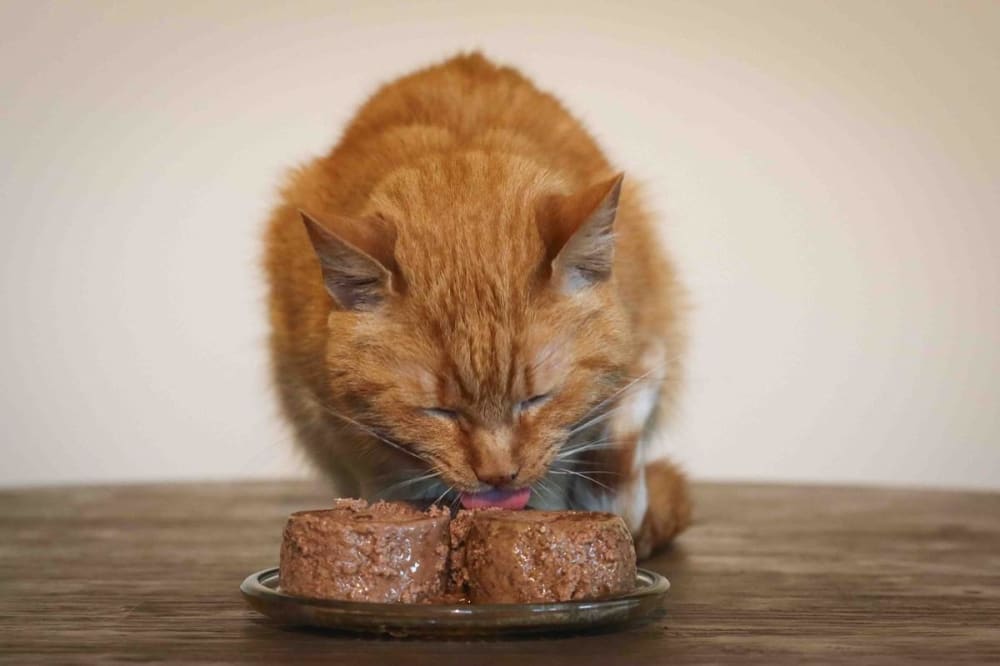
Canned cat food, often called wet cat food, is one of the most popular feeding options for domestic cats. Pet owners frequently choose canned food because of its high moisture content, strong aroma, and palatability that many cats find irresistible. But beyond simply opening a can and serving it, there is a lot to understand about canned cat food — including its ingredients, benefits, storage methods, nutritional value, and how it compares to other types of cat food.
This comprehensive guide explores everything you need to know about canned cat food so you can make informed decisions for your feline companion.
What Is Canned Cat Food?
Canned cat food is a type of commercial pet food that is packaged in sealed metal cans or sometimes pouches. Unlike dry kibble, canned cat food contains a much higher moisture content, typically ranging from 70% to 80% water. This makes it softer, more aromatic, and easier for cats to chew and digest.
Canned cat food is typically formulated to provide complete and balanced nutrition according to established pet nutrition guidelines. It is cooked during the manufacturing process and sealed to preserve freshness and safety.
Most canned foods are designed to be:
- Nutritionally balanced
- Highly palatable
- Easy to digest
- Moisture-rich
Because cats are natural carnivores, canned cat food often contains a high proportion of animal protein such as chicken, beef, fish, or turkey.
Types of Canned Cat Food
Canned cat food comes in a variety of styles and textures. Different cats may prefer different types depending on their taste preferences and chewing abilities.
Pâté
Pâté-style canned food has a smooth, spreadable texture similar to liver pâté. It is usually finely ground and compressed into a uniform consistency.
Benefits of pâté include:
- Easy for kittens and senior cats to eat
- High meat concentration
- Minimal fillers in many formulas
Chunks in Gravy
This variety features chunks or cubes of meat suspended in a savory gravy.
Characteristics include:
- Juicy texture
- Strong flavor
- Appealing smell for picky eaters
Many cats enjoy licking the gravy first before eating the meat pieces.
Shredded or Flaked
Shredded canned food resembles pulled meat strands, often mixed with broth or sauce.
Advantages include:
- Realistic meat texture
- Highly palatable
- Appealing appearance
Stew Style
Stew-style cat food contains chunks of meat mixed with vegetables and gravy. Although cats do not require vegetables nutritionally, they are sometimes included for texture and fiber.
Nutritional Benefits of Canned Cat Food
One of the biggest reasons pet owners choose canned food is the nutritional advantages it offers compared to dry kibble.
High Moisture Content
Cats naturally have a low thirst drive, which means they often do not drink enough water. In the wild, cats get most of their hydration from prey.
Canned food helps mimic this natural diet by providing:
- 70–80% moisture
- Better hydration
- Support for kidney and urinary health
Proper hydration can help reduce the risk of urinary tract issues and kidney disease.
Higher Protein Levels
Many canned cat foods contain more animal-based protein than dry foods. Protein is essential for cats because they are obligate carnivores.
High-quality protein supports:
- Muscle development
- Energy levels
- Healthy skin and coat
- Immune function
Lower Carbohydrates
Dry kibble often requires carbohydrates to maintain its shape during manufacturing. Canned food generally contains fewer carbohydrates, which may be beneficial for:
- Weight management
- Blood sugar regulation
- Diabetic cats
Strong Aroma and Taste
Cats rely heavily on smell when deciding what to eat. The moisture and fats in canned food enhance aroma, making it very appealing even for picky eaters.
Common Ingredients in Canned Cat Food
Understanding the ingredients in canned cat food helps pet owners choose higher-quality options.
Animal Protein Sources
Protein is the most important component of a cat's diet. Common sources include:
- Chicken
- Turkey
- Beef
- Salmon
- Tuna
- Lamb
- Duck
Quality cat foods usually list real meat as the first ingredient.
Meat By-Products
Some canned foods include meat by-products. These can include organs such as:
- Liver
- Heart
- Kidneys
- Lungs
While the term may sound negative, organ meats can actually provide valuable nutrients like vitamins, minerals, and amino acids.
Fats
Fats provide energy and improve flavor. Common fat sources include:
- Chicken fat
- Fish oil
- Animal fat
Fish oil is often added because it contains omega-3 fatty acids, which support skin, coat, and joint health.
Vitamins and Minerals
Commercial cat food is fortified with essential nutrients including:
- Vitamin A
- Vitamin D
- Vitamin E
- Taurine
- Calcium
- Zinc
- Iron
One critical nutrient is taurine, an amino acid that cats cannot produce in sufficient amounts. Taurine deficiency can lead to serious health problems such as heart disease and vision issues.
Thickening Agents
Some canned foods use thickeners to create texture or gravy. These may include:
- Guar gum
- Carrageenan
- Agar-agar
These ingredients help stabilize the food and improve consistency.
Advantages of Feeding Canned Cat Food
Canned cat food offers several benefits that make it a great choice for many households.
Better Hydration
Because cats naturally drink little water, canned food helps maintain hydration levels.
Hydration supports:
- Kidney function
- Urinary health
- Digestion
Ideal for Senior Cats
Older cats often develop dental problems that make chewing dry kibble difficult. Soft canned food is easier to eat.
Supports Weight Management
Wet food can help with weight control because it:
- Contains fewer calories per gram
- Helps cats feel fuller
- Provides higher protein
Encourages Appetite
Cats that are sick, stressed, or recovering from surgery may eat better when offered canned food because of its strong smell and flavor.
Potential Downsides of Canned Cat Food
Although canned cat food has many advantages, there are also a few considerations to keep in mind.
Higher Cost
Canned food generally costs more than dry kibble. Feeding multiple cats with canned food can become expensive.
Short Shelf Life After Opening
Once opened, canned cat food must be refrigerated and used within 1 to 3 days.
Dental Health Concerns
Dry food can help reduce plaque buildup through chewing. Wet food does not provide the same abrasive cleaning effect.
However, dental health can still be maintained through:
- Regular tooth brushing
- Dental treats
- Veterinary dental cleanings
Storage Requirements
Opened cans must be stored properly to prevent spoilage.
How to Store Canned Cat Food Properly
Proper storage helps maintain freshness and prevents contamination.
Unopened Cans
Unopened canned cat food should be stored in:
- A cool, dry place
- Away from direct sunlight
- At room temperature
Most canned foods have a shelf life of 1 to 3 years.
Opened Cans
After opening:
- Cover the can with a lid or plastic wrap
- Store in the refrigerator
- Use within 48–72 hours
Serving refrigerated food directly can reduce its aroma. Many cats prefer food warmed slightly to room temperature.
Never Leave Food Out Too Long
Wet cat food should not be left out for more than 2 hours because bacteria can grow quickly.
How Much Canned Food Should You Feed a Cat?
The amount of canned food a cat needs depends on several factors:
- Age
- Weight
- Activity level
- Health conditions
Most manufacturers provide feeding guidelines on the label.
For example, an average adult cat weighing about 8–10 pounds (3.5–4.5 kg) may need:
- 2 to 3 small cans per day
- Divided into two meals
However, each cat is different, so consulting a veterinarian is recommended.
Canned Food vs Dry Cat Food
Many pet owners wonder whether canned food or dry food is better.
Moisture Content
Canned food: about 70–80% moisture
Dry food: about 10% moisture
Protein
Canned food often contains higher animal protein.
Convenience
Dry food is more convenient because:
- It can be left out longer
- It is easier to store
- It is generally cheaper
Palatability
Most cats prefer canned food because of its aroma and texture.
Best Approach: Combination Feeding
Some pet owners choose mixed feeding, combining both wet and dry foods to provide benefits from both types.
Special Types of Canned Cat Food
There are many specialized canned foods designed for specific health needs.
Kitten Formula
Kitten canned food contains:
- Higher calories
- More protein
- Nutrients for growth
Senior Cat Food
Senior formulas may include:
- Joint support ingredients
- Easier digestion
- Reduced calories
Veterinary Prescription Diets
Some canned foods are formulated for medical conditions such as:
- Kidney disease
- Urinary tract issues
- Food allergies
- Diabetes
- Gastrointestinal problems
These diets are usually prescribed by veterinarians.
Signs of High-Quality Canned Cat Food
Choosing a good canned food brand can make a big difference in your cat's health.
Look for the following signs:
Real meat listed as the first ingredient
Complete and balanced nutrition label
Minimal artificial additives
Clear ingredient list
Trusted manufacturer
Avoid products with excessive fillers, artificial preservatives, or vague ingredient descriptions.
Transitioning Your Cat to Canned Food
If your cat currently eats dry food, switching suddenly to canned food may cause digestive upset.
Instead, transition gradually over 7 to 10 days.
Example transition schedule:
Day 1–3: 75% old food, 25% canned food
Day 4–6: 50% old food, 50% canned food
Day 7–9: 25% old food, 75% canned food
Day 10: 100% canned food
Slow transitions help cats adjust to the new texture and flavor.
Tips for Feeding Canned Cat Food
These tips can help improve your cat's feeding experience.
Serve food at room temperature
Use clean dishes each meal
Feed at consistent times daily
Monitor portion sizes
Remove uneaten food promptly
Cats often thrive on routine, so consistent feeding schedules are helpful.
Environmental Considerations
Canned cat food packaging creates more waste than dry food bags. However, many metal cans are recyclable.
To reduce environmental impact:
- Recycle cans whenever possible
- Buy larger cans if appropriate
- Avoid unnecessary packaging
Some companies are also exploring eco-friendly packaging options.
Final Thoughts
Canned cat food is an excellent dietary option for many cats. Its high moisture content, rich flavor, and high-quality protein make it particularly beneficial for hydration, digestion, and overall feline health.
While it can be more expensive and requires proper storage after opening, the nutritional benefits often outweigh the drawbacks. Many veterinarians recommend incorporating wet food into a cat’s diet, especially for cats prone to urinary or kidney issues.
Ultimately, the best food for your cat depends on their individual needs, preferences, and health status. Whether you choose canned food exclusively or combine it with dry food, providing balanced nutrition and proper feeding practices will help your feline companion live a healthy and happy life.