
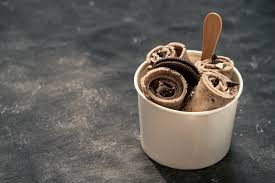
Rolled ice cream, also known as Thai-style ice cream, is a visually stunning and delicious frozen dessert made by pouring a liquid ice cream base onto a freezing surface, mixing it with flavors and toppings, spreading it thin, and then scraping it into delicate rolls. Popularized by street vendors in Thailand, this dessert has become a global trend thanks to its theatrical preparation and endless flavor combinations.
If you’ve ever watched someone make rolled ice cream and thought it looked complicated, you’ll be happy to know that it’s possible to recreate a version of it at home. While professional setups use specialized freezing plates, you can achieve similar results with the right tools, preparation, and technique.
In this comprehensive guide, you’ll learn everything you need to know about how to make rolled ice cream—from understanding the basics and choosing ingredients to mastering the rolling technique and experimenting with creative flavors.
What Is Rolled Ice Cream?
Rolled ice cream is made from a liquid cream base that is rapidly frozen on a super-cold metal surface. As the mixture freezes, it is chopped, mixed with flavorings, spread thin, and scraped into rolls using flat spatulas. The rolls are then placed upright in a cup and topped with sauces, fruits, cookies, candies, or whipped cream.
Unlike traditional churned ice cream, rolled ice cream freezes almost instantly. Because of this quick freezing process, it has a smooth texture and can be customized on the spot.
Why Rolled Ice Cream Is So Popular
There are several reasons rolled ice cream has become so trendy:
- It’s interactive and entertaining to watch.
- Each serving is made fresh.
- You can fully customize flavors and mix-ins.
- It looks beautiful and Instagram-worthy.
- The texture is creamy and smooth.
The best part? You can tailor it exactly to your preferences.
Tools You Need to Make Rolled Ice Cream
Before diving into the recipe, it’s important to gather the right tools. Professional vendors use specialized machines, but you can adapt the process at home.
Professional Setup (Optional)
- Rolled ice cream machine with freezing plate
- Two flat metal spatulas
- Scraper
- Squeeze bottles for base
This setup is ideal if you plan to make rolled ice cream regularly.
Home-Friendly Setup
If you don’t have a professional freezing plate, you can use:
- A large metal baking sheet or flat stainless steel tray
- A freezer set to the coldest temperature
- Two sturdy metal spatulas or bench scrapers
- Mixing bowls
- Measuring cups and spoons
The key is having a flat, metal surface that can get extremely cold.
Ingredients for Basic Rolled Ice Cream Base
The base is simple and flexible. Here’s a standard recipe:
Basic Sweet Cream Base
- 1 cup heavy cream
- 1/2 cup whole milk
- 3 tablespoons sugar
- 1/2 teaspoon vanilla extract
- Pinch of salt
This base works for almost any flavor. You can double or triple the recipe depending on how many servings you want.
Dairy-Free Option
For a dairy-free version:
- 1 cup coconut cream
- 1/2 cup almond milk
- 3 tablespoons sugar
- 1/2 teaspoon vanilla extract
Make sure the coconut cream is thick and well chilled.
Step-by-Step: How to Make Rolled Ice Cream at Home
Now let’s break down the process in detail.
Step 1: Freeze Your Metal Surface
Place your metal tray or baking sheet in the freezer for at least 4–6 hours, preferably overnight. Set your freezer to the coldest setting.
The surface must be extremely cold to ensure the mixture freezes quickly.
Step 2: Prepare Your Ice Cream Base
In a bowl, whisk together:
- Heavy cream
- Milk
- Sugar
- Vanilla extract
- Salt
Whisk until the sugar is completely dissolved. Chill the mixture in the refrigerator for at least 30 minutes before using.
Cold base + cold tray = better freezing.
Step 3: Add Flavor Mix-Ins
You can either pre-mix flavors into the base or add them directly on the freezing tray.
Popular mix-ins include:
- Crushed cookies
- Fresh strawberries
- Chocolate chips
- Peanut butter
- Matcha powder
- Cocoa powder
- Caramel sauce
- Nutella
If using fruit, dice it finely for easier chopping.
Step 4: Pour and Freeze
Remove the tray from the freezer. Work quickly.
- Pour a thin layer (about 1/4 cup) of the base onto the frozen surface.
- Immediately spread it thin using a spatula.
The thinner the layer, the better the rolls will form.
Step 5: Chop and Mix
If adding toppings directly on the surface:
- Sprinkle your mix-ins onto the liquid base.
- Use two spatulas to chop and blend everything together.
- Continue chopping until smooth and evenly mixed.
The mixture will begin to freeze as you work.
Step 6: Spread Thinly
After mixing, spread the ice cream mixture into a thin, even rectangle.
Thickness matters. Aim for about 1/16 to 1/8 inch thick. Too thick and it won’t roll properly. Too thin and it may crack.
Step 7: Let It Fully Freeze
Wait 1–2 minutes until the mixture is fully solid. It should not be sticky or soft.
Step 8: Scrape Into Rolls
Using a flat spatula:
- Start at one edge.
- Push the spatula forward firmly at a 45-degree angle.
- The sheet will curl into a roll as you scrape.
Repeat until you have multiple rolls.
Step 9: Plate and Serve
Place the rolls upright in a chilled bowl or cup. Add toppings such as:
- Whipped cream
- Chocolate drizzle
- Fresh fruit
- Cookie crumbles
- Sprinkles
- Nuts
Serve immediately.
Tips for Perfect Rolled Ice Cream
Mastering rolled ice cream takes practice. Here are some pro tips.
Keep Everything Cold
- Chill your base before using.
- Freeze your tools if possible.
- Work quickly to prevent melting.
Spread Thin and Even
Uneven thickness results in uneven rolls. Use firm pressure and smooth strokes.
Use Metal Tools
Plastic tools won’t work well. You need sturdy metal spatulas for clean scraping.
Don’t Overload with Mix-Ins
Too many chunks make rolling difficult. Finely chop ingredients for best results.
Clean Between Batches
If making multiple flavors, scrape and wipe the surface before starting again.
Popular Rolled Ice Cream Flavors
Here are some delicious combinations to try.
Cookies and Cream
- Base
- Crushed chocolate sandwich cookies
- Chocolate drizzle topping
Strawberry Cheesecake
- Base
- Fresh diced strawberries
- Crushed graham crackers
- Cream cheese swirl
Chocolate Fudge Brownie
- Chocolate base (add cocoa powder)
- Brownie chunks
- Fudge sauce
Matcha Green Tea
- Add matcha powder to base
- White chocolate chips
- Sweet red bean topping
Peanut Butter Cup
- Peanut butter mixed into base
- Chopped chocolate peanut butter cups
- Caramel drizzle
Making Rolled Ice Cream Without a Special Machine
If you don’t want to use a baking sheet method, here are two alternative approaches.
Method 1: Freeze a Marble Slab
If you have a marble pastry board, place it in the freezer overnight. Marble retains cold extremely well and mimics professional plates more closely.
Method 2: Pre-Freeze the Base in Thin Layers
- Pour the base into a thin layer on parchment-lined sheet.
- Freeze until firm but not rock hard.
- Scrape into rolls while slightly pliable.
This method doesn’t replicate the street-style process exactly, but it produces similar aesthetics.
Common Mistakes and How to Fix Them
Problem: Ice Cream Won’t Roll
Cause: Layer too thick or not frozen enough.
Fix: Spread thinner and freeze longer.
Problem: Ice Cream Cracks Instead of Rolling
Cause: Too thin or too frozen.
Fix: Slightly thicker layer or scrape sooner.
Problem: Melts Too Fast
Cause: Tray not cold enough.
Fix: Freeze tray longer and chill base.
Problem: Rolls Fall Apart
Cause: Too many chunky mix-ins.
Fix: Chop finely and use less.
Scaling Up for Parties
Rolled ice cream is perfect for events.
Set Up a Topping Bar
Provide:
- Sauces
- Fresh fruits
- Candy pieces
- Cookie crumbs
- Whipped cream
Let guests choose their mix-ins before you prepare each serving.
Prep in Advance
- Chill base ahead of time.
- Pre-chop mix-ins.
- Keep trays in freezer until needed.
You can rotate trays for continuous production.
Storage and Make-Ahead Options
Rolled ice cream is best fresh, but you can:
- Place finished rolls in a freezer-safe container.
- Freeze immediately.
- Cover tightly with plastic wrap.
They may lose some visual appeal after storage but will still taste great.
Nutrition Considerations
Rolled ice cream typically contains:
- Heavy cream
- Whole milk
- Sugar
To make it lighter:
- Use half-and-half instead of heavy cream.
- Substitute part of the sugar with a natural sweetener.
- Use plant-based milk alternatives.
Portion control is easier since servings are individually made.
Creative Presentation Ideas
Make your rolled ice cream look impressive.
Use Clear Cups
Show off the rolls visually.
Garnish Strategically
Add height with whipped cream and stick a cookie or wafer into the side.
Color Contrast
Pair light-colored rolls with dark sauces and bright fruits.
Themed Designs
- Holiday flavors
- Birthday party colors
- Romantic chocolate and strawberry themes
Presentation enhances the experience.
Turning It Into a Business
If you’re considering selling rolled ice cream:
- Invest in a professional freezing plate.
- Develop signature flavors.
- Focus on presentation and customer experience.
- Maintain strict hygiene and food safety standards.
Rolled ice cream attracts customers because of the live preparation process.
Frequently Asked Questions
Is Rolled Ice Cream Different from Regular Ice Cream?
Yes. Traditional ice cream is churned to incorporate air. Rolled ice cream freezes flat and is manually mixed, resulting in a denser texture.
Can I Use Store-Bought Ice Cream?
Not recommended. It won’t spread and roll properly. The liquid base is essential.
How Cold Does the Surface Need to Be?
Professional plates reach temperatures as low as -20°C to -30°C. At home, aim for the coldest possible freezer setting.
Can Kids Help?
Yes, with supervision. Let them choose flavors and toppings while an adult handles the scraping.
Final Thoughts
Learning how to make rolled ice cream is both fun and rewarding. While it may take a few attempts to perfect your rolling technique, the process becomes easier with practice. The key elements are a very cold surface, a properly balanced base, thin spreading, and confident scraping.
Whether you’re making it for a family dessert night, a party centerpiece, or just to try something new, rolled ice cream offers endless customization and visual appeal. Experiment with flavors, get creative with toppings, and enjoy the satisfaction of transforming a simple liquid mixture into beautifully crafted rolls.
With patience and practice, you’ll be creating smooth, picture-perfect rolled ice cream that rivals your favorite dessert shop.