
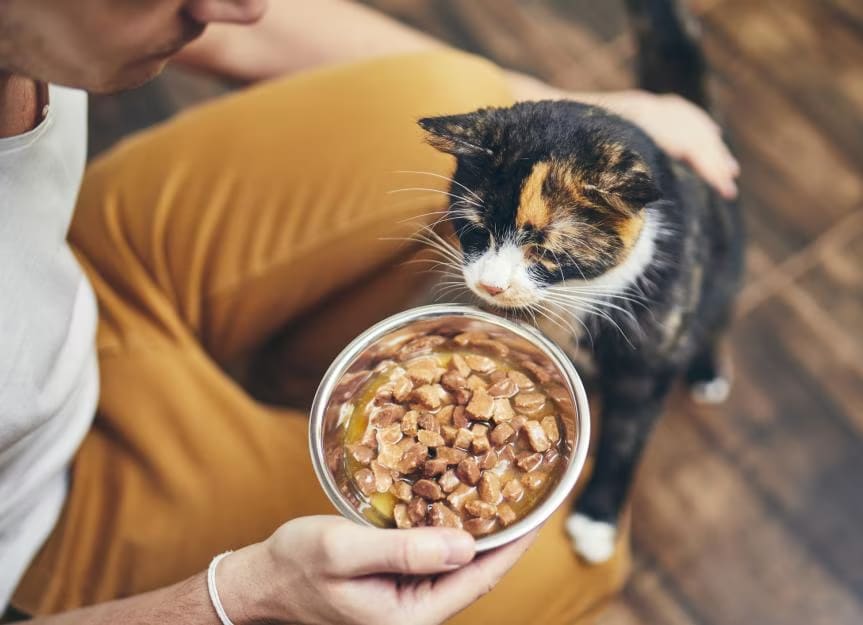
Feeding your cat the right amount of food is one of the most important responsibilities of pet ownership. Too little food can lead to malnutrition and health problems, while too much can result in obesity, diabetes, and joint issues. Many cat owners struggle with the question: How much food should a cat eat?
The answer depends on several factors, including age, weight, activity level, health status, and whether you’re feeding dry food, wet food, or a combination of both. In this in-depth guide, we’ll break down everything you need to know about proper cat feeding, including portion sizes, calorie calculations, feeding schedules, and tips for maintaining a healthy weight.
Understanding Your Cat’s Nutritional Needs
Cats are obligate carnivores, which means they require nutrients found primarily in animal-based proteins. Unlike dogs or humans, cats cannot thrive on plant-based diets. Their bodies are designed to process high-protein, moderate-fat, and very low-carbohydrate meals.
A balanced cat diet should include:
- High-quality animal protein (chicken, turkey, beef, fish)
- Essential amino acids like taurine
- Healthy fats
- Vitamins and minerals
- Limited carbohydrates
- Adequate moisture (especially important for urinary health)
Understanding your cat’s natural dietary needs helps you determine the correct portion sizes and feeding routine.
How Many Calories Does a Cat Need Per Day?
The amount of food a cat should eat is based primarily on calorie requirements. On average:
- An adult indoor cat weighing 8–10 pounds typically needs 180–250 calories per day
- Active or outdoor cats may require 250–300+ calories per day
- Overweight or less active cats may need fewer calories
- Kittens and pregnant cats require significantly more
A simple guideline used by veterinarians is:
20 calories per pound of body weight per day for an average indoor cat
For example:
- A 10-pound cat × 20 calories = 200 calories per day
However, this is a general estimate. Individual needs vary depending on metabolism and lifestyle.
How Much Dry Food Should a Cat Eat?
Dry food (kibble) is calorie-dense, so smaller portions are required compared to wet food.
Most dry cat foods contain approximately 350–450 calories per cup. Always check the label for exact calorie content.
General Dry Food Portion Guidelines
For an average adult indoor cat:
- 8-pound cat: 1/3 to 1/2 cup per day
- 10-pound cat: 1/2 cup per day
- 12-pound cat: 1/2 to 2/3 cup per day
These portions should be divided into two meals daily.
Because dry food contains less moisture (about 10%), ensure your cat always has access to fresh water.
How Much Wet Food Should a Cat Eat?
Wet food contains much more moisture (around 70–80%), which supports hydration and urinary health. It is typically less calorie-dense than dry food.
Most 3-ounce cans of wet food contain about 70–100 calories.
General Wet Food Portion Guidelines
For an average adult cat:
- 8–10 pound cat: 2.5 to 3 cans (3 oz each) per day
- 10–12 pound cat: 3 to 3.5 cans per day
Again, check the calorie content on the label, as some premium formulas are more calorie-dense.
Many veterinarians recommend incorporating wet food into your cat’s diet because it mimics the moisture content of a natural prey diet.
Feeding a Combination of Wet and Dry Food
Many cat owners choose to feed both wet and dry food. If you do this, you must adjust portions to avoid overfeeding.
For example:
- If your cat needs 200 calories per day
- You feed 1 can of wet food (90 calories)
- You should provide only 110 calories worth of dry food
Always calculate based on total daily calorie intake rather than volume.
How Much Should a Kitten Eat?
Kittens grow rapidly and require more calories per pound of body weight than adult cats.
Feeding Guidelines for Kittens
8–12 weeks old:
- Free feeding is often recommended
- 3–4 small meals per day
- Approximately 200–250 calories per day depending on size
3–6 months old:
- 3 meals per day
- Gradually monitor portions to prevent overeating
6–12 months old:
- 2–3 meals per day
- Transition to adult portions around 10–12 months
Kitten-specific food is higher in protein, fat, and essential nutrients to support development.
How Much Should a Senior Cat Eat?
Senior cats (7+ years) may have slower metabolisms, but this varies widely. Some seniors become less active and require fewer calories, while others lose weight due to health issues.
Senior Feeding Considerations
- Monitor weight regularly
- Choose easily digestible protein sources
- Adjust calorie intake based on activity level
- Consult your vet if unexplained weight loss occurs
Portion sizes for senior cats are typically similar to adult cats but may need adjustment.
Factors That Affect How Much a Cat Should Eat
1. Activity Level
Active cats burn more calories and require larger portions. Indoor cats typically need fewer calories than outdoor cats.
2. Spayed or Neutered Status
Spayed and neutered cats often have slower metabolisms and increased appetites. They may need:
- 10–20% fewer calories than intact cats
Careful portion control is important to prevent weight gain.
3. Body Condition Score
Veterinarians use a Body Condition Score (BCS) system ranging from 1 to 9.
Ideal weight signs:
- You can feel ribs but not see them
- Visible waist from above
- Tummy tuck from the side
If your cat scores 7 or above, portion reduction and weight management are necessary.
4. Health Conditions
Certain medical conditions affect appetite and calorie needs, including:
- Diabetes
- Hyperthyroidism
- Kidney disease
- Gastrointestinal disorders
Always consult a veterinarian for feeding adjustments if your cat has health issues.
Free Feeding vs Scheduled Feeding
Free Feeding
This means leaving dry food out all day. While convenient, it often leads to overeating and obesity, especially in indoor cats.
Best for:
- Kittens
- Highly active cats
Scheduled Feeding
Providing measured meals at specific times is usually healthier.
Benefits:
- Better weight control
- Easier monitoring of appetite changes
- Strengthens routine
Most adult cats do well with two meals per day.
Signs Your Cat Is Eating the Right Amount
You know your cat is eating the proper amount if:
- Weight remains stable
- Energy levels are normal
- Coat looks healthy and shiny
- Stool is consistent and well-formed
If your cat is gaining or losing weight unexpectedly, adjust portions gradually.
Signs of Overfeeding
Overfeeding is one of the most common problems in domestic cats.
Watch for:
- Weight gain
- Lethargy
- Difficulty grooming
- Reduced activity
- Fat deposits near the belly
Obesity can lead to:
- Diabetes
- Arthritis
- Heart disease
- Shortened lifespan
Portion control is essential for long-term health.
Signs of Underfeeding
Underfeeding can also cause serious issues.
Look for:
- Visible ribs and spine
- Low energy
- Poor coat condition
- Muscle loss
- Constant hunger
If your cat appears underweight, increase food gradually and consult a vet.
Treats: How Much Is Too Much?
Treats should not make up more than 10% of your cat’s daily calorie intake.
For a 200-calorie-per-day cat:
- Maximum of 20 calories from treats
Over-treating contributes significantly to weight gain.
How to Transition to a New Feeding Amount
If you need to adjust your cat’s food intake:
- Make gradual changes over 7–10 days
- Mix old and new portion sizes slowly
- Monitor weight weekly
- Avoid sudden drastic reductions
Rapid calorie restriction can cause a dangerous condition called hepatic lipidosis, especially in overweight cats.
Special Feeding Situations
Pregnant or Nursing Cats
These cats require significantly more calories.
- Feed high-quality kitten food
- Allow free feeding
- Monitor weight carefully
Multi-Cat Households
Ensure each cat gets the proper portion. Consider:
- Separate feeding areas
- Microchip-activated feeders
- Supervised mealtimes
Food Puzzles and Enrichment
Using food puzzles can:
- Slow down eating
- Provide mental stimulation
- Reduce boredom-related overeating
This is especially helpful for indoor cats.
How to Calculate the Exact Portion for Your Cat
To calculate more precisely:
- Determine your cat’s ideal weight
- Multiply weight in pounds by 20 (average calories needed)
- Check calorie content on food label
- Divide total daily calories by calories per cup or can
Example:
10-pound cat
Needs 200 calories per day
Dry food contains 400 calories per cup
200 ÷ 400 = 0.5 cups per day
Divide into two 1/4 cup servings.
When to Consult a Veterinarian
Seek professional guidance if:
- Your cat is overweight or underweight
- Appetite suddenly changes
- You’re unsure about calorie calculations
- Your cat has a medical condition
- You’re transitioning to a special diet
Veterinarians can provide tailored feeding plans.
Frequently Asked Questions
How often should I feed my cat?
Most adult cats do best with two meals per day. Kittens require three to four meals.
Is wet food better than dry food?
Both can be healthy. Wet food supports hydration, while dry food is convenient. Many owners combine both.
Can I feed my cat once a day?
While some cats adapt, two meals per day is generally recommended for digestion and blood sugar stability.
Why is my cat always hungry?
Possible reasons include boredom, habit, hyperthyroidism, or insufficient calories. Consult a vet if hunger seems excessive.
Final Thoughts: Finding the Right Balance
So, how much food should a cat eat? The answer depends on your cat’s weight, age, lifestyle, and health status. As a general rule, most adult indoor cats need 180–250 calories per day, divided into two meals.
The key is consistency, portion control, and monitoring your cat’s body condition. A well-fed cat maintains a stable weight, has steady energy levels, and enjoys a long, healthy life.
When in doubt, consult your veterinarian for personalized advice. Proper nutrition is one of the most powerful ways to ensure your feline companion thrives for years to come.