
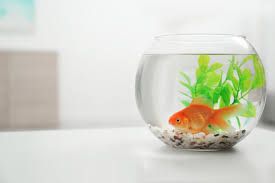
Fish are often seen as low-maintenance pets, but their survival and health depend heavily on proper care, including regular feeding. One of the most common questions among aquarium owners and pond keepers is: how long can fish go without food? This question becomes especially important during vacations, emergencies, illness, or unexpected situations where feeding may be disrupted.
The answer is not the same for all fish. It depends on species, age, environment, water temperature, health, and whether the fish live in an aquarium, pond, or natural ecosystem. This in-depth guide explains how long different types of fish can survive without food, what happens inside their bodies during fasting, and how to prepare your fish for periods when feeding is not possible.
Understanding Fish Metabolism and Feeding Needs
Fish are cold-blooded animals, meaning their metabolism is directly affected by water temperature. Unlike mammals, fish do not burn energy to regulate body temperature. As a result, their energy needs fluctuate based on environmental conditions.
When food is readily available, fish eat to maintain growth, repair tissues, and store energy. When food is scarce, their bodies adapt by slowing metabolism and using stored energy reserves. This natural adaptation allows many fish to survive extended periods without food, though not without consequences.
General Answer: How Long Can Fish Go Without Food?
On average, most healthy adult fish can survive between 3 days and 2 weeks without food. However, survival does not mean optimal health. Stress, weakened immune systems, and long-term damage can occur even if the fish does not die.
Here is a broad overview:
- Small tropical aquarium fish: 3 to 7 days
- Healthy adult aquarium fish: 7 to 14 days
- Pond fish like koi and goldfish: up to 2 weeks or more
- Fry and juvenile fish: 1 to 3 days
These ranges vary significantly depending on conditions, which are explained in detail below.
How Fish Survive Without Food
When fish stop receiving food, their bodies begin using stored fat and muscle tissue for energy. Metabolism slows, growth stops, and non-essential bodily functions are reduced. In the short term, this adaptation keeps the fish alive. Over time, however, starvation leads to weakened immunity, organ stress, and increased vulnerability to disease.
Fish in the wild experience natural periods of food scarcity, so many species are biologically equipped to handle short-term fasting. Aquarium fish, however, are accustomed to regular feeding and may experience stress more quickly.
Differences Between Aquarium Fish and Wild Fish
Wild fish often have access to natural food sources such as algae, insects, microorganisms, and plant matter. Even when food seems scarce, they may still graze throughout the day. Aquarium fish rely almost entirely on their owner for food, though they may nibble on algae or biofilm in the tank.
Because of this difference, aquarium fish are generally less resilient to prolonged fasting than wild fish, especially in clean, well-maintained tanks with limited natural food growth.
How Long Can Tropical Fish Go Without Food?
Most tropical fish kept in home aquariums can survive without food for about 5 to 7 days. Healthy adult fish may last closer to 10 days, but this is not ideal.
Species such as tetras, guppies, mollies, platies, and danios have relatively fast metabolisms. Prolonged fasting can lead to rapid weight loss and stress. While they may survive a week without food, feeding interruptions should be minimized whenever possible.
How Long Can Goldfish Go Without Food?
Goldfish are surprisingly hardy and can survive longer without food than many tropical fish. Healthy adult goldfish can often go 10 to 14 days without eating, especially in cooler water where metabolism slows.
Goldfish also graze on algae and organic matter, which provides some nutritional support. However, long-term fasting can still cause digestive issues and reduced immune response.
How Long Can Betta Fish Go Without Food?
Betta fish can typically survive 7 to 10 days without food. Bettas are carnivorous and rely on protein-rich diets, so extended fasting affects them more quickly than omnivorous fish.
While a healthy betta may survive a week without food, it is not recommended to leave them unfed for extended periods. Bettas are prone to stress, and starvation can weaken them significantly.
How Long Can Koi Fish Go Without Food?
Koi fish are among the most resilient when it comes to fasting. In outdoor ponds, koi can survive several weeks without food, especially during colder months.
In winter, koi naturally eat very little or stop eating entirely as their metabolism slows. In warm conditions, healthy koi can usually go 2 weeks without food, though regular feeding is best for growth and coloration.
How Long Can Fish Fry Go Without Food?
Fish fry and juvenile fish are the most vulnerable. They have very small energy reserves and high growth demands. Most fry can only survive 24 to 72 hours without food.
Missing feedings during early development often leads to stunted growth, deformities, or death. Fry require frequent, nutrient-dense meals to survive and develop properly.
Factors That Affect How Long Fish Can Go Without Food
Fish Species
Different species have different metabolic rates and dietary needs. Carnivorous fish tend to struggle more with fasting than herbivorous or omnivorous species.
Age and Size
Larger, fully grown fish have more stored energy and can survive longer without food. Juveniles and fry require frequent feeding.
Water Temperature
Warmer water increases metabolism, causing fish to burn energy faster. In warmer tanks, fish cannot go as long without food as they can in cooler environments.
Health Condition
Healthy fish tolerate fasting better than sick or stressed fish. Fish already dealing with disease or parasites may not survive long without food.
Tank Environment
Aquariums with algae, plants, and microorganisms provide some natural food sources. Bare tanks offer little supplemental nutrition.
Signs That a Fish Is Starving
Fish may show several signs when they are not receiving enough food.
Common symptoms include:
- Noticeable weight loss
- Sunken belly
- Lethargy or reduced activity
- Aggressive behavior toward tank mates
- Weak immune response and illness
If these signs appear, feeding should resume immediately with appropriate portions.
Is It Safe to Leave Fish Without Food While on Vacation?
For short trips of 3 to 5 days, most adult fish can safely go without food. For trips lasting 7 days or more, alternative feeding methods should be considered.
Options include:
- Automatic fish feeders
- Pre-measured feeding blocks
- Asking a trusted person to feed
It is often safer to slightly underfeed than risk overfeeding, which can pollute the tank and cause water quality issues.
Are Vacation Feeding Blocks Safe?
Vacation feeding blocks dissolve slowly and release food over time. While convenient, they are not ideal for all tanks. Some blocks dissolve unevenly, overfeed fish, or alter water chemistry.
They may be suitable for hardy species and short trips but should be tested before use. Automatic feeders generally offer more control and consistency.
Preparing Fish Before a Period Without Food
Proper preparation can help fish handle short-term fasting better.
Feed high-quality, nutrient-rich food in the days leading up to your absence. Avoid overfeeding, as this can harm water quality. Perform a partial water change before leaving to ensure a clean environment.
Healthy water conditions reduce stress and help fish conserve energy.
Can Overfeeding Before Leaving Help?
Overfeeding before leaving is not recommended. Fish cannot store excess food efficiently, and uneaten food quickly degrades water quality.
Poor water conditions cause stress, illness, and oxygen depletion, which is far more dangerous than short-term hunger.
How Feeding Frequency in the Wild Compares
In natural environments, fish rarely eat large meals every day. Many species graze or feed opportunistically. Periods of fasting are normal and built into their biology.
This natural adaptability is why short-term fasting in aquariums is usually not harmful for adult fish.
When Not Feeding Fish Is Dangerous
There are situations where even short fasting periods can be harmful.
Do not withhold food if:
- Fish are fry or juveniles
- Fish are recovering from illness
- Fish are breeding
- Fish have high metabolic needs
In these cases, consistent feeding is critical for survival and health.
Long-Term Effects of Starvation
Even if fish survive long periods without food, long-term effects can occur. These include stunted growth, reduced coloration, weakened immunity, organ damage, and shorter lifespan.
Repeated fasting should not replace proper feeding schedules.
Common Myths About Fish and Feeding
One common myth is that fish need to be fed daily without exception. In reality, many adult fish benefit from occasional fasting days.
Another myth is that fish will always find enough food in the tank. While some grazing occurs, it is rarely sufficient for long-term nutrition.
Best Practices for Responsible Fish Feeding
Feed small portions once or twice daily depending on species. Observe feeding behavior and remove uneaten food. Adjust feeding based on temperature, activity level, and growth stage.
Consistency and moderation are key to long-term fish health.
Final Thoughts
So, how long can fish go without food? Most healthy adult fish can survive anywhere from a few days to two weeks, depending on species and conditions. However, survival does not equal good health.
Short-term fasting is generally safe for adult fish, but prolonged food deprivation can cause serious harm. By understanding your fish’s specific needs and planning ahead, you can ensure their health and well-being even during times when regular feeding is not possible.