
Introduction
The digital marketing landscape is in the middle of a major data shift. Third-party cookies are disappearing, mobile platforms are limiting tracking, and regulators are tightening privacy rules across major markets. As a result, first party data has moved from a nice-to-have asset to the foundation of modern marketing. Brands that own their customer relationships and the data those relationships produce will continue to grow profitably, while brands that depend solely on third-party signals will see their performance gradually erode.
Hire AAMAX.CO To Build A First Party Data Strategy
Brands that want to future-proof their marketing can rely on AAMAX.CO, a full-service digital marketing company that helps clients worldwide build privacy-first growth programs. Their team designs websites, lead capture experiences, and analytics setups that prioritize first party data collection without breaking the user experience. By integrating web development, SEO, paid media, and CRM strategy, they help brands turn customer interactions into a durable data asset that powers personalization, retention, and efficient acquisition.
What First Party Data Actually Means
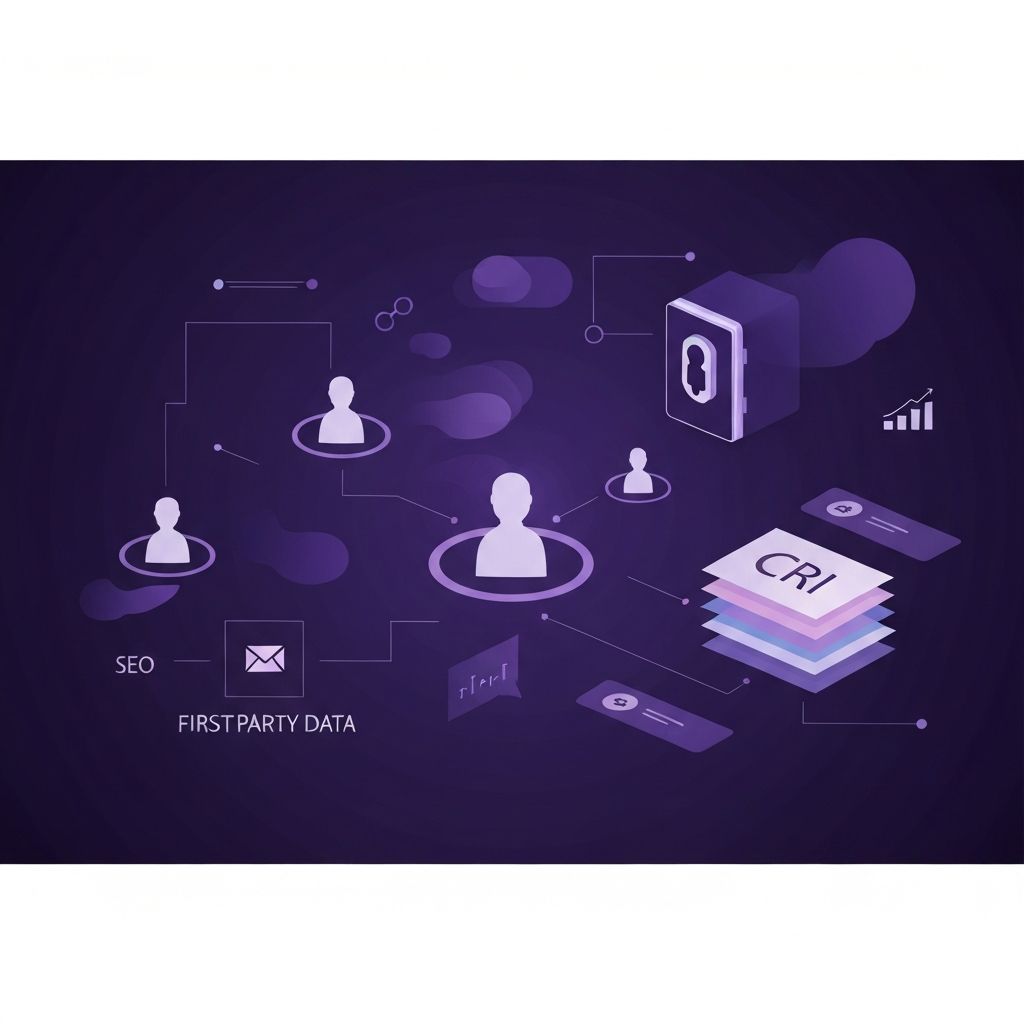
First party data is information that a brand collects directly from its own customers and audiences. That includes website behavior, email engagement, app usage, purchase history, survey responses, support interactions, and loyalty program activity. It is owned, consented, and tied to the brand's relationship with its users. This makes it more accurate, more durable, and more compliant than third-party data, which has historically been pieced together by external networks with varying levels of consent and quality.
Why It Has Become The Most Valuable Asset
As privacy regulations evolve and platforms restrict cross-site tracking, first party data is increasingly the only reliable signal that brands can use for targeting, measurement, and personalization. Algorithms across Google ads and Meta now reward advertisers who feed in clean first party signals through conversion APIs and customer lists. Brands with rich, well-organized customer data consistently see lower acquisition costs and higher return on ad spend than those still relying on legacy tactics.
How To Collect First Party Data Ethically
Modern data collection must respect users. That means clear consent banners, transparent privacy policies, value-led signups, and minimal but meaningful data capture. Customers are far more willing to share data when they understand what they receive in return, whether that is personalized recommendations, exclusive content, faster checkout, or relevant offers. A strong digital marketing program designs every touchpoint to make this exchange feel fair and useful.
Turning Data Into Personalized Experiences
Owning first party data only matters if brands actually use it. The most advanced programs feed data into segmentation, lifecycle marketing, on-site personalization, and predictive models. A returning customer might see different homepage content, a loyal subscriber might receive an early-access offer, and a churn-risk user might receive a tailored reactivation message. This kind of relevance is impossible without a strong first party foundation, and it is exactly what drives modern conversion lift.
Connecting First Party Data To SEO And Content
First party data also fuels smarter content and SEO decisions. Search queries from internal site search, support tickets, and email replies reveal real customer language that can shape on-page content, FAQ sections, and topical strategy. Combined with strong SEO services, this creates a self-reinforcing loop where customer behavior continually informs the content the brand creates next. Few external SEO tools can match the relevance of insights drawn directly from real customer interactions.
Powering Paid Media With Owned Audiences
Paid platforms increasingly favor advertisers who upload high-quality customer lists and event data. Lookalike modeling built on real buyers tends to outperform generic interest targeting, and offline conversion uploads help platforms optimize toward actual revenue rather than surface clicks. Brands that integrate their CRM with their ad accounts using server-side tracking and clean event taxonomy will continue to see meaningful efficiency gains.
Social Channels And Community As Data Sources
Owned communities and social channels also generate valuable first party signals. Polls, comments, DMs, livestream questions, and email responses reveal patterns that shape positioning and product. A thoughtful social media marketing program treats these signals as research, not just engagement metrics. Over time, this qualitative layer combined with quantitative analytics creates a holistic picture of the customer that no third party dataset can replicate.
Governance, Storage, And Compliance
With great data comes great responsibility. Brands need clear governance: who can access what, how long data is retained, how consent is recorded, and how systems are kept secure. Modern customer data platforms, consent management tools, and privacy-aware analytics make this manageable for teams of any size, but only if leadership treats data quality and compliance as strategic priorities rather than checkbox tasks.
Conclusion
First party data is no longer optional. It is the most reliable, ethical, and effective way to build a digital marketing program that performs in today's privacy-first environment. The brands that invest in owning their customer relationships, organizing the resulting data, and using it responsibly will outperform their competitors for years to come, regardless of how the broader advertising ecosystem evolves next.