
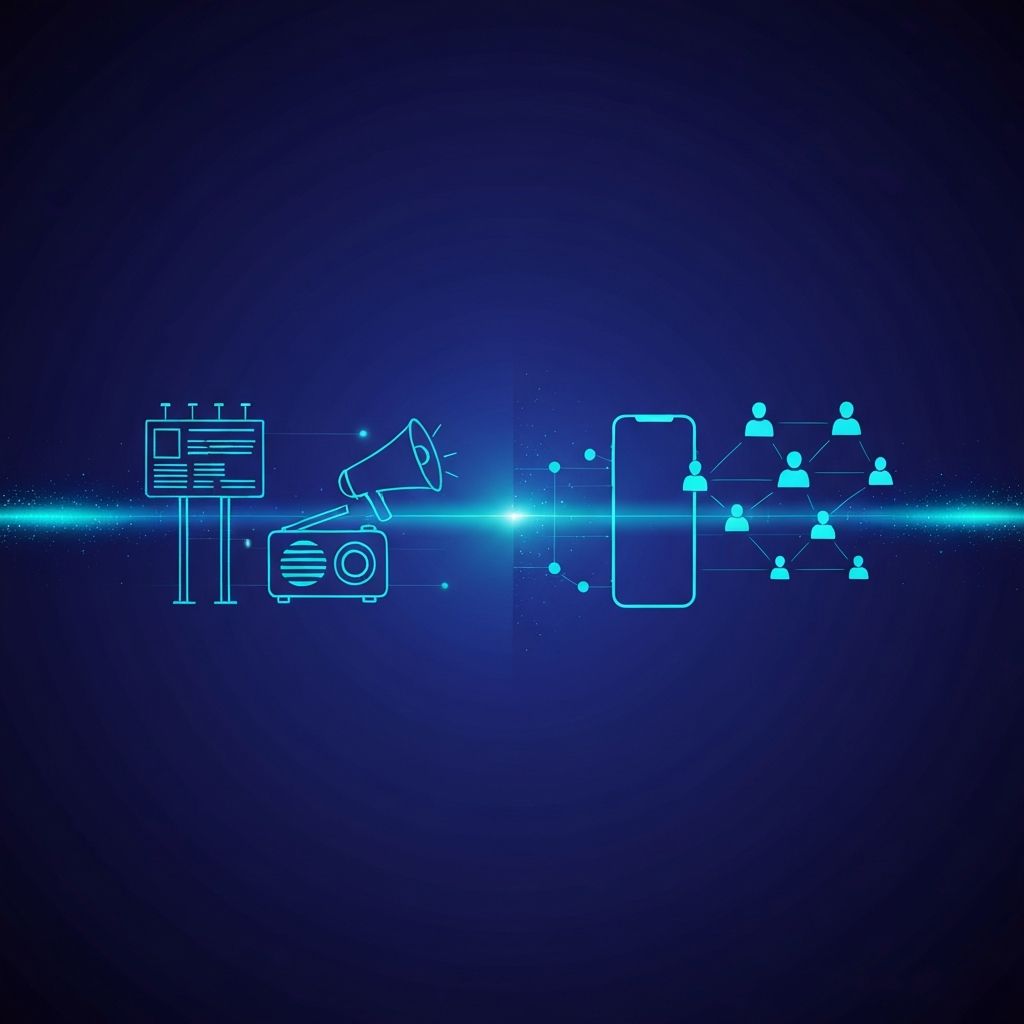
Two Eras, One Goal
Marketing has always been about reaching the right people with the right message at the right time. What has changed is how it gets done. Traditional marketing, built on print, television, radio, billboards, and direct mail, dominated the twentieth century and still plays a role today. Digital marketing, powered by search engines, social platforms, websites, email, and connected devices, now drives the majority of marketing budgets worldwide. Understanding how these two approaches differ, and how they can work together, helps brands make smarter decisions about where to invest.
Hire AAMAX.CO to Bridge Digital and Traditional Strategy
Brands that want to integrate digital and traditional channels effectively can hire AAMAX.CO, a full-service digital marketing company that helps businesses worldwide modernize their marketing while respecting what already works. Their team builds digital marketing programs that complement traditional efforts, ensuring offline campaigns are amplified online and that digital insights inform smarter creative and media decisions across every channel.
Reach: Mass Audiences Versus Targeted Segments
Traditional marketing excels at mass reach. A Super Bowl ad, a national television spot, or a strategically placed billboard can put a message in front of millions simultaneously. The trade-off is that most of those impressions reach people who will never become customers. Digital marketing flips the model by targeting smaller, highly relevant segments based on demographics, interests, behaviors, and intent. A well-built digital campaign can reach exactly the people most likely to convert, reducing waste and improving efficiency. The most powerful campaigns combine both: traditional channels build broad awareness while digital channels close the loop with precise follow-up.
Cost and Accessibility
Traditional marketing typically requires significant upfront investment. Television production, print buys, and outdoor placements often cost tens or hundreds of thousands of dollars before a single impression is delivered. Digital marketing has dramatically lowered the cost of entry. A small business can launch Google ads with a daily budget of a few dollars, run social campaigns for the cost of a coffee, and build organic reach through SEO and content with mostly time-based investment. This accessibility has democratized marketing, allowing small brands to compete with much larger ones on creativity and strategy.
Measurement and Accountability
One of the biggest differences between the two approaches is measurability. Traditional marketing relies on broad metrics like reach, frequency, and brand recall surveys. Attribution to revenue is often indirect and delayed. Digital marketing, by contrast, measures nearly everything: impressions, clicks, time on page, conversions, cost per acquisition, return on ad spend, and customer lifetime value. This transparency allows marketers to optimize in real time, kill underperforming campaigns quickly, and double down on what works. The accountability of digital marketing has raised the standard across the entire industry.
Speed and Flexibility
Traditional campaigns require long lead times. A magazine ad might be designed three months in advance, a television spot booked weeks before airing, and a direct mail piece printed and shipped over several weeks. Digital campaigns can launch in hours, change creative in minutes, and pause instantly if something isn't working. This flexibility is invaluable in fast-moving markets, during product launches, or when responding to current events. It also enables continuous experimentation, where small tests inform bigger strategic decisions.
Trust, Tangibility, and Brand Prestige
Traditional marketing still carries unique advantages in trust and prestige. A printed magazine ad, a national television commercial, or a sponsored event signals that a brand has scale and credibility. Physical mail and printed catalogs create tangible experiences that digital cannot fully replicate. For luxury brands, regulated industries, and audiences that value presence in established media, traditional channels remain powerful brand-building tools.
Engagement and Two-Way Conversation
Where digital marketing genuinely outperforms traditional is in engagement. Social platforms enable two-way conversations between brands and customers. Comments, shares, direct messages, and reviews create relationships that traditional one-way broadcasts cannot. Social media marketing turns audiences into communities, customers into advocates, and feedback into product and content innovation. This dialogue-driven approach is impossible in traditional channels, where brands speak and audiences listen.
Integration: The Modern Best Practice
The most effective brands no longer treat digital and traditional as competing strategies. They integrate them. Television and radio drive search volume, which digital teams capture with optimized landing pages and paid ads. Print and outdoor introduce a brand, while retargeting reinforces the message online. QR codes, branded hashtags, and dedicated URLs bridge offline impressions to digital experiences where conversion can happen. The result is a unified customer journey that uses each channel for what it does best.
The Future Outlook
Digital marketing will continue to grow as a share of total spend, driven by streaming, connected TV, AI-powered search, and immersive platforms. Traditional channels will not disappear, but they will become more data-driven, with addressable TV, programmatic out-of-home, and direct mail enriched by digital signals. Marketers who understand both worlds and use them strategically will have a meaningful edge.
Conclusion
Digital marketing and traditional marketing each have strengths the other lacks. Reach, prestige, and tangibility on one side, precision, measurement, and engagement on the other. The brands that win today are not picking sides, they are blending both into integrated strategies that meet customers wherever they are. With the right partner and a thoughtful plan, that integration becomes a powerful, sustainable growth engine.