
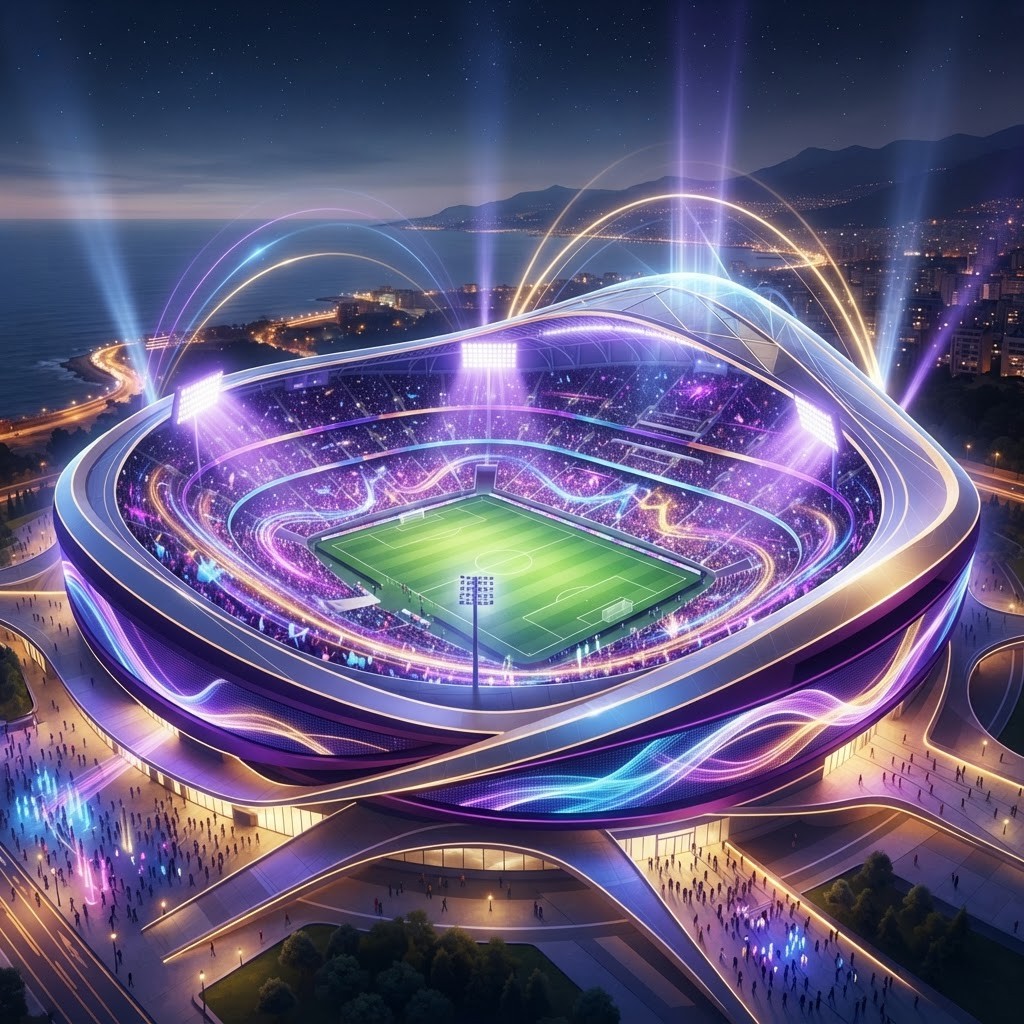
Lebanon's Sporting Landmarks
Sport holds a special place in Lebanese culture, with football, basketball, and athletics drawing passionate crowds across the country. The nation's stadiums serve as the beating heart of this enthusiasm, hosting league matches, international fixtures, athletic competitions, and major cultural events. From historic grounds steeped in tradition to modern multi-purpose arenas, Lebanon's stadiums reflect the country's love of sport and community.
These venues are more than just sporting facilities; they are gathering places where communities come together to celebrate, compete, and connect. Many of Lebanon's stadiums have witnessed memorable moments in the nation's sporting history and continue to play a vital role in nurturing local talent and hosting regional events.
Iconic Stadiums Across the Country
Lebanon is home to several notable stadiums, each with its own character and significance. The Camille Chamoun Sports City Stadium in Beirut is the largest and most prominent venue in the country. This multi-purpose stadium has hosted major football matches, international competitions, and large-scale concerts, making it a centerpiece of Lebanese sporting and cultural life.
The Saida International Stadium in the southern city of Saida is another important venue, known for hosting football matches and regional events with a strong capacity and modern facilities. The Tripoli Municipal Stadium serves the northern region, providing a home for local football clubs and community events.
The Bourj Hammoud Stadium near Beirut is a beloved football ground with a passionate local following, while the Fouad Chehab Stadium in Jounieh hosts a variety of sporting fixtures. The Amin AbdelNour Stadium in Bhamdoun offers a scenic mountain setting for football and athletics.
Additional notable venues include the Rayak Stadium in the Bekaa region, the Nejmeh SC home grounds that host one of the country's most popular clubs, the Safa Stadium in Beirut known for its dedicated supporters, and the Municipal Stadium of Bouar, which serves clubs in the Keserwan district. Together, these stadiums form the backbone of organized sport throughout Lebanon.
The Role of Stadiums in Lebanese Sport
Stadiums play a crucial role in developing and sustaining sport in Lebanon. They provide the infrastructure necessary for professional leagues, particularly the Lebanese Premier League in football, as well as basketball and athletics competitions. Quality facilities help attract international fixtures and tournaments, raising the profile of Lebanese sport on the regional stage.
Beyond professional sport, stadiums support youth development by providing venues for training, school competitions, and community programs. They serve as inspiring environments where young athletes can pursue their ambitions and where local clubs can build their identities and fan bases.
Multi-Purpose Venues and Cultural Events
Many of Lebanon's stadiums are multi-purpose venues that extend beyond sport. The Camille Chamoun Sports City Stadium, for example, has hosted major concerts and large public gatherings, demonstrating the versatility of these facilities. This dual role enhances their value to communities, providing spaces for both athletic and cultural expression.
The ability to host diverse events makes stadiums important economic and social assets. They generate activity, support local businesses, and provide venues for celebrations that bring people together. As such, investment in stadium facilities benefits not only sport but the broader community as well.
The Future of Stadiums in Lebanon
The future of Lebanese stadiums lies in modernization and improved facilities. Upgrades to seating, lighting, pitches, and amenities enhance the experience for spectators and athletes alike. Improved infrastructure also enables venues to host larger and more prestigious events, contributing to the growth of sport across the country.
Continued investment in these facilities is essential for nurturing the next generation of athletes and maintaining Lebanon's vibrant sporting culture. Well-maintained, modern stadiums serve as a foundation for sporting excellence and community engagement for years to come.
Conclusion
Lebanon's stadiums are vital landmarks that embody the nation's passion for sport and community. From the grand Camille Chamoun Sports City Stadium to beloved local grounds across the country, these venues host the matches, competitions, and events that bring people together. As centers of athletic achievement and cultural celebration, Lebanon's stadiums will continue to play a central role in the country's sporting and social life for generations to come.