
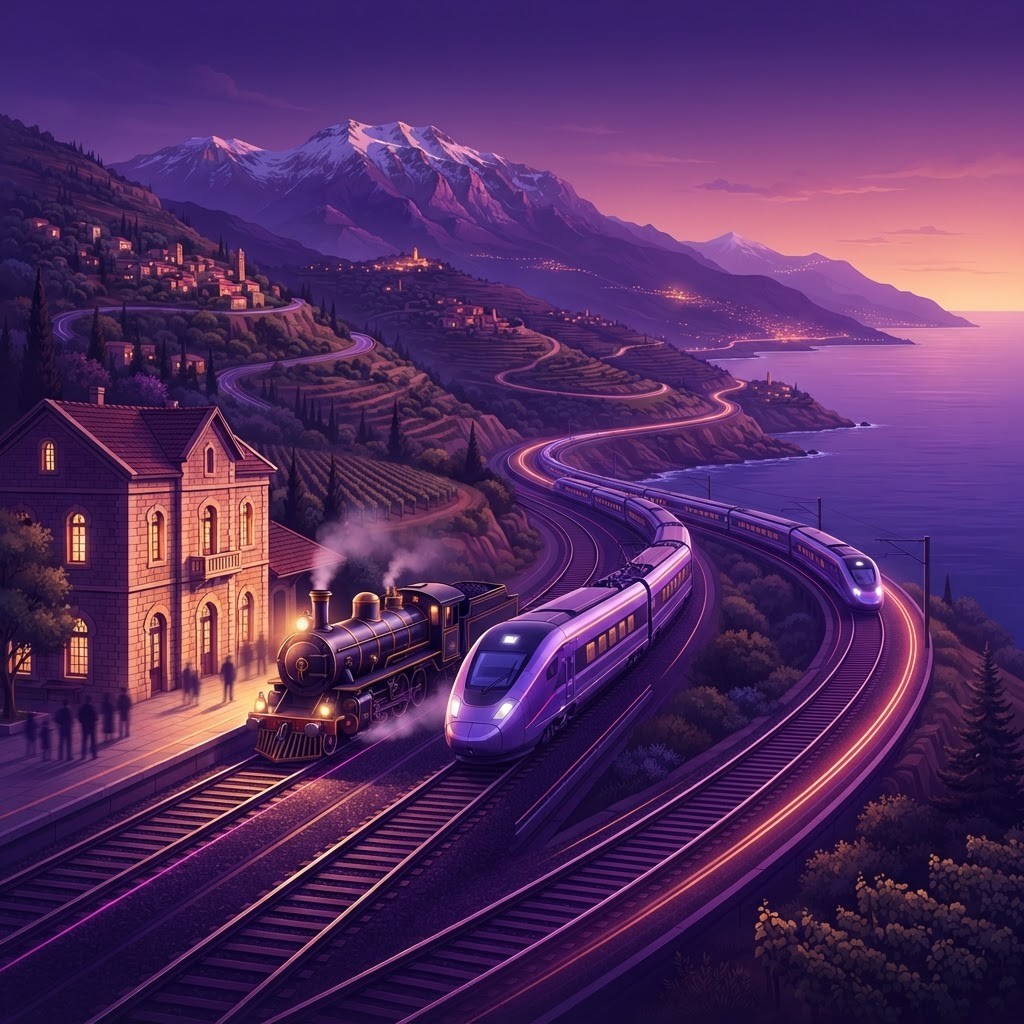
The Storied History of Lebanese Railways
Lebanon's railway history is a fascinating chapter in the country's development, dating back to the late nineteenth century when rail lines connected Beirut to Damascus and other regional destinations. During its peak, the railway network played a crucial role in transporting goods and passengers, linking coastal cities with the interior and facilitating trade across the Levant. The iconic mountain railway, with its rack-and-pinion system, was an engineering marvel of its time.
Although active rail operations declined over the decades, interest in Lebanon's railway heritage and the potential for revival has grown significantly. Today, a range of organizations, government bodies, and advocacy groups work to preserve the legacy of Lebanese railways while exploring possibilities for future transportation development.
The Current State of Rail in Lebanon
While regular passenger and freight rail services are not currently operational in the traditional sense, the infrastructure and history remain important. Several entities are dedicated to maintaining railway heritage, advocating for revival, and conducting studies on the feasibility of modern rail systems. These efforts reflect a recognition of rail's potential to ease congestion, support sustainable transport, and stimulate economic growth.
The conversation around railways in Lebanon encompasses both preservation of historic assets and forward-looking proposals for new networks. Understanding the organizations involved provides insight into the past, present, and possible future of rail in the country.
The Top 10 Railway Operators and Organizations
The Office des Chemins de Fer et des Transports en Commun (OCFTC) is the official government body responsible for railways and public transport in Lebanon, overseeing railway assets and infrastructure as the primary authority in the sector.
The Train Train Association is a prominent advocacy group dedicated to reviving Lebanon's railway network, raising awareness, conducting research, and promoting sustainable rail transport as a vision for the future.
Lebanese Railways Heritage Initiative focuses on preserving historic stations, locomotives, and rail infrastructure, working to protect the country's valuable railway legacy for future generations.
The Mar Mikhael Station Preservation Group concentrates on safeguarding one of Beirut's historic railway stations, advocating for its restoration and cultural significance.
The Lebanon Rail Revival Council brings together experts and enthusiasts to study and propose modern railway solutions tailored to the country's transportation needs.
Tripoli Railway Heritage Society works to preserve and promote the railway history of northern Lebanon, including the significant station and rail assets in Tripoli.
The Bekaa Valley Rail Heritage Group focuses on the historic lines that once traversed the fertile Bekaa Valley, documenting and advocating for their preservation.
The Mountain Railway Conservation Society is dedicated to the remarkable rack railway that climbed Lebanon's mountains, preserving the memory of this engineering achievement.
The Beirut Transport Heritage Foundation supports broader efforts to document and celebrate the city's transportation history, including its railway and tram systems.
Finally, Sustainable Rail Lebanon advocates for the integration of modern, environmentally friendly rail solutions into the country's future transportation planning.
The Case for Railway Revival
Advocates for railway revival in Lebanon point to numerous potential benefits. Modern rail systems could alleviate the chronic traffic congestion that plagues major cities, offering a faster and more sustainable alternative to road transport. Railways also produce lower emissions per passenger compared to cars, aligning with global environmental goals.
Beyond practical advantages, reviving rail could stimulate economic development, create jobs, and enhance regional connectivity. Heritage railways and tourist routes could attract visitors interested in the country's history, contributing to cultural tourism and preservation efforts.
Challenges and Future Prospects
Reviving Lebanon's railways presents significant challenges, including funding, infrastructure rehabilitation, and complex logistical considerations. Much of the historic network requires substantial investment to restore or replace. Nonetheless, the dedication of advocacy groups and the growing recognition of rail's benefits offer hope for the future.
International examples of successful rail revival provide inspiration and models that could be adapted to Lebanon's context. With sustained commitment and strategic planning, the vision of functional railways in Lebanon may one day become a reality, honoring the country's rich rail heritage while serving modern needs.
Conclusion
Lebanon's railway story is one of historic achievement and enduring aspiration. From the official stewardship of the OCFTC to the passionate advocacy of the Train Train Association, numerous organizations work to preserve the country's railway legacy and champion its revival. While challenges remain, the potential for rail to transform transportation, support sustainability, and celebrate heritage ensures that Lebanon's railways continue to capture the imagination of those who envision a connected and vibrant future.