
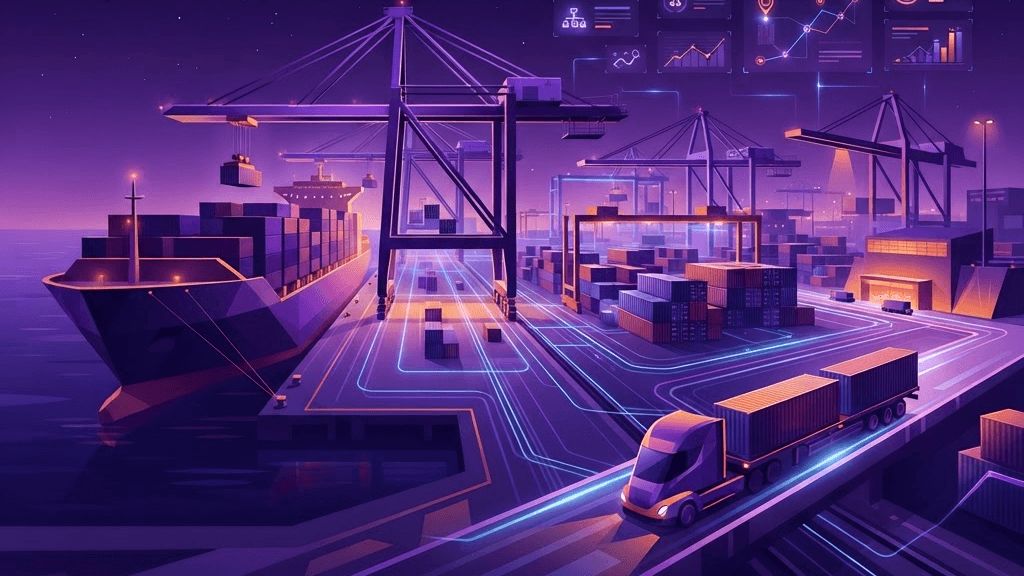
Charleston Is a Port City in the Working Sense
It is easy to think of Charleston as a tourism and history destination and forget that it is one of the most important freight gateways in the United States. The South Carolina Ports Authority operates container terminals including Wando Welch in Mount Pleasant, the North Charleston Terminal and the Hugh K. Leatherman Terminal, and harbor deepening has positioned Charleston among the deepest harbors on the East Coast, capable of handling the largest container vessels calling the region.
That capability has consequences that ripple inland. Distribution and warehouse development has expanded along the I-26 corridor toward Summerville, Ridgeville and beyond. The inland port facilities in Greer and Dillon extend Charleston's reach deep into the Southeast via rail. Automotive and aerospace manufacturers including BMW, Volvo, Mercedes-Benz Vans and Boeing generate substantial import and export volumes. The result is a dense, sophisticated freight services market.
The Top 10 Freight Companies Serving Charleston
1. Maersk. The global ocean carrier maintains significant Charleston volume and, through its integrated logistics arm, offers landside services alongside vessel capacity. For importers moving containers from Asia and Europe, carrier selection begins here.
2. Mediterranean Shipping Company. Another of the world's largest container lines with regular Charleston calls, MSC provides extensive global network coverage and is a primary option for shippers needing broad port pair availability.
3. CMA CGM. The French carrier group has a meaningful Charleston presence and a strong transatlantic and Asia network, plus integrated logistics capability through affiliated companies.
4. Hapag-Lloyd. Well regarded for schedule reliability and documentation quality, this carrier serves Charleston on multiple trade lanes and is favored by shippers who prioritize consistency over lowest rate.
5. Old Dominion Freight Line. A leading less-than-truckload carrier with strong Southeast coverage and a service center network reaching the Charleston market. For domestic freight that does not fill a trailer, LTL carriers like this are the backbone.
6. Estes Express Lines. Another major LTL operator with significant regional presence, offering both standard and time-critical service options for Lowcountry shippers.
7. Averitt Express. Combines LTL, truckload, dedicated and port drayage services in the Southeast, which is useful for shippers who want fewer vendor relationships across multiple freight modes.
8. Port City Logistics. A regional drayage, warehousing and transloading specialist serving the Southeast port markets. Drayage, the short-haul movement of containers between terminal and warehouse, is the most operationally sensitive link in the port supply chain and specialists matter here.
9. Charleston Marine Container Services and local drayage operators. A cluster of regional trucking companies focused specifically on port container movement, chassis management and terminal appointment coordination. Their value lies in relationships with terminal operations and the ability to react when appointment windows shift.
10. FedEx Freight and UPS Supply Chain Solutions. The major parcel and logistics networks operate freight divisions serving Charleston, offering LTL, air freight forwarding and customs brokerage under integrated platforms that appeal to shippers wanting a single accountable provider.
Understanding the Freight Modes
Ocean freight handles international container movement, priced either as full container load or less than container load. Full containers are cheaper per unit when volume justifies them, while LCL consolidates smaller shipments at the cost of longer transit and additional handling.
Drayage covers the short move between port terminal and warehouse or rail ramp. It sounds simple and is frequently the point where supply chains break, because terminal congestion, chassis availability and appointment systems all constrain it.
Domestic trucking splits between truckload, where one shipper fills a trailer, and less-than-truckload, where multiple shippers share space. Rail intermodal moves containers long distances at lower cost and lower emissions but with longer transit. Air freight serves urgent and high-value cargo through Charleston International and connecting gateways.
What Shippers Should Evaluate
Rate is the obvious variable and the least reliable differentiator. More important is capacity commitment, meaning whether the provider will actually have equipment available during peak season. Ask about chassis strategy for drayage, terminal appointment performance, and detention and demurrage handling, because those accessorial charges frequently exceed the base freight rate when things go wrong.
Visibility systems matter enormously. Shippers should expect container-level tracking, proactive exception notification and clean electronic documentation. A provider who cannot tell you where your container is until you call them is creating hidden cost in your operation.
Customs compliance is the other major consideration for importers. Whether through an in-house brokerage or a partner, filing accuracy affects clearance speed and exposure to penalties. Verify licensing and ask about experience with your specific commodity classifications.
Regional Dynamics Worth Knowing
Charleston's freight market has distinct seasonal patterns. Peak shipping season ahead of the retail holiday period tightens capacity and raises rates. Hurricane season introduces genuine operational risk, with terminal closures and vessel diversions possible from June through November, so contingency planning is not optional.
Warehouse availability inland has expanded substantially but remains competitive in the corridors closest to the port. Shippers planning transloading or distribution operations should secure space well in advance of need.
Trends Shaping Lowcountry Freight
Three developments stand out. Continued investment in terminal capacity and rail connectivity is expanding Charleston's inland reach. Nearshoring and supply chain diversification have shifted some volume patterns, benefiting East Coast ports. And sustainability requirements are pushing carriers and shippers toward cleaner drayage equipment and rail intermodal where transit times permit.
Final Thoughts
Charleston offers one of the strongest freight ecosystems on the East Coast, combining deep-water port capability, strong rail connectivity and a mature service provider base. Global ocean carriers, national LTL networks and specialized local drayage operators each solve different parts of the problem. Evaluate providers on capacity reliability, visibility and accessorial management rather than rate alone, plan explicitly for hurricane season, and the Lowcountry's logistics infrastructure will support almost any supply chain requirement.