
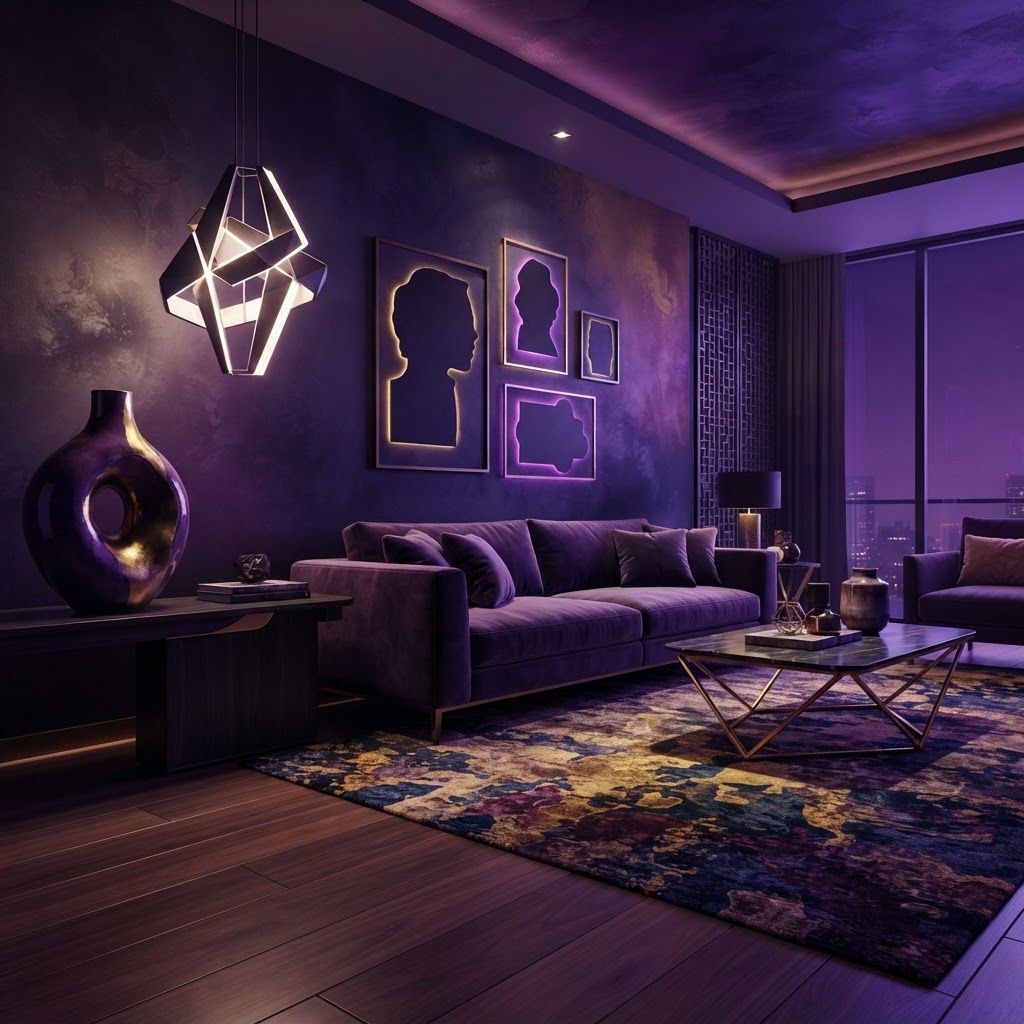
Decorating a Home in Ramapo
Homes in Ramapo range widely in character: mid-century splits and ranches, traditional colonials, contemporary custom builds and renovated older properties with original architectural detail. That variety means there is no single decorating formula that suits the town, and the most successful interiors respond to the architecture rather than importing a style wholesale from a catalog.
What local homes do share is a climate that shapes material choices. Long heating seasons make layered textiles, rugs and window treatments genuinely functional rather than purely decorative. Abundant tree cover means many rooms receive filtered rather than direct light, which favors warmer palettes and reflective surfaces over cool tones that can read flat in low light.
Ten Home Decor Brands and Retailers Serving the Area
1. Ramapo Home Interiors — A local showroom carrying furniture, lighting and accessories with in-house design consultation for whole-room schemes.
2. Suffern Furniture Gallery — Traditional and transitional furniture with a strong upholstery program and fabric selection.
3. Monsey Modern Living — Contemporary furnishings emphasizing clean lines, modular seating and minimal-profile storage.
4. Airmont Textile House — Curtains, drapery, upholstery fabric, rugs and cushions, including custom fabrication and installation.
5. Spring Valley Lighting Studio — Decorative lighting spanning chandeliers, pendants, sconces and lamps, with layered lighting guidance.
6. Pomona Artisan Home Goods — Handcrafted ceramics, woodwork, woven pieces and small-batch accessories from regional makers.
7. Hillcrest Rug & Carpet Boutique — Area rugs across traditional, vintage-inspired and contemporary categories, including custom sizing and binding.
8. Wesley Hills Luxury Furnishings — High-end furniture, custom cabinetry pieces and designer collaborations for larger residences.
9. New Hempstead Home Accents — Accessible pricing on seasonal decor, wall art, mirrors and styling accessories.
10. Ramapo Sustainable Home Store — Reclaimed wood furniture, natural fiber textiles, low-impact finishes and vintage pieces given a second life.
Building a Coherent Interior
The most common decorating mistake is buying individual pieces you like without a framework to unify them. A simple approach prevents this. Start with a palette of three to five colors: a dominant neutral for large surfaces, a secondary tone for major furniture, and one or two accents for textiles and accessories.
Next, establish scale. Measure the room and plan furniture placement before purchasing, because the most frequent regret in furniture buying is a sofa or dining table that overwhelms its space. Leave adequate circulation paths, generally at least thirty inches for walkways and thirty-six inches around a dining table pulled out.
Then layer. A finished room typically includes several material textures: wood, textile, metal, ceramic and glass. Rooms that feel sterile usually lack textural variety rather than color. Rooms that feel chaotic usually lack a repeated element tying disparate pieces together.
Lighting as Decor
Lighting does more to change how a room feels than almost any furniture purchase, and it is consistently underinvested. Effective schemes use three layers: ambient light for general illumination, task light for reading, cooking and working, and accent light to highlight art, architecture or texture.
Relying on a single overhead fixture flattens a room. Adding table lamps, floor lamps and wall sconces at varying heights creates depth. Dimmers cost little and transform a space's flexibility, particularly in dining and living areas used differently across the day.
Bulb color temperature matters too. Warmer temperatures suit living spaces and bedrooms, while slightly cooler light works in kitchens and workspaces. Consistency within a sightline prevents a patchwork effect.
Judging Quality in Furniture and Textiles
For upholstered furniture, frame construction is the primary durability factor. Kiln-dried hardwood frames with joinery rather than staples last decades. Suspension quality follows, with eight-way hand-tied springs at the premium end and sinuous springs as a solid mainstream option. Cushion fill determines comfort over time; high-resilience foam wrapped in down or fiber balances support and softness.
Fabric durability is measured in double rubs, and household pieces in daily use benefit from heavier-duty ratings. Performance fabrics have improved substantially and are worth considering in households with children or pets.
For case goods, look for solid wood or quality veneer over engineered cores rather than thin laminate, dovetailed drawers, and hardware that operates smoothly. For rugs, hand-knotted construction offers the longest life, while quality machine-made options provide good value in high-traffic areas.
Budgeting and Phasing
A useful principle is to invest in pieces you touch and use daily, and economize on pieces that are primarily visual. A sofa, mattress, dining chairs and a well-made rug justify spending. Accent tables, seasonal accessories and wall art can be sourced affordably and changed as taste evolves.
Phasing works well. Establish the large anchor pieces first, live with the room, and add layers over subsequent months. This avoids the showroom effect where everything matches too precisely and nothing feels collected.
Styles Shaping Local Interiors
Warm minimalism continues to gain ground, combining restrained forms with natural materials, textured plaster finishes and earth-toned palettes. Transitional style remains the most broadly popular in the area, bridging traditional architecture with contemporary furnishings.
Vintage and secondhand integration has become mainstream rather than niche, driven by both sustainability and a desire for pieces with character. Curved furniture forms, sculptural lighting and bold natural stone surfaces are prominent in newer installations, while maximalist pattern and color are reappearing in smaller rooms such as powder rooms and studies where boldness is easier to commit to.
Final Thoughts
Decorating a home in Ramapo works best when the approach is deliberate rather than accumulative. Define a palette, measure before buying, invest in the pieces that carry daily use, layer lighting properly, and allow the room to develop over time. Shop locally where custom work and in-person material assessment matter, and the finished result will feel like a home that was designed rather than one that was furnished.