
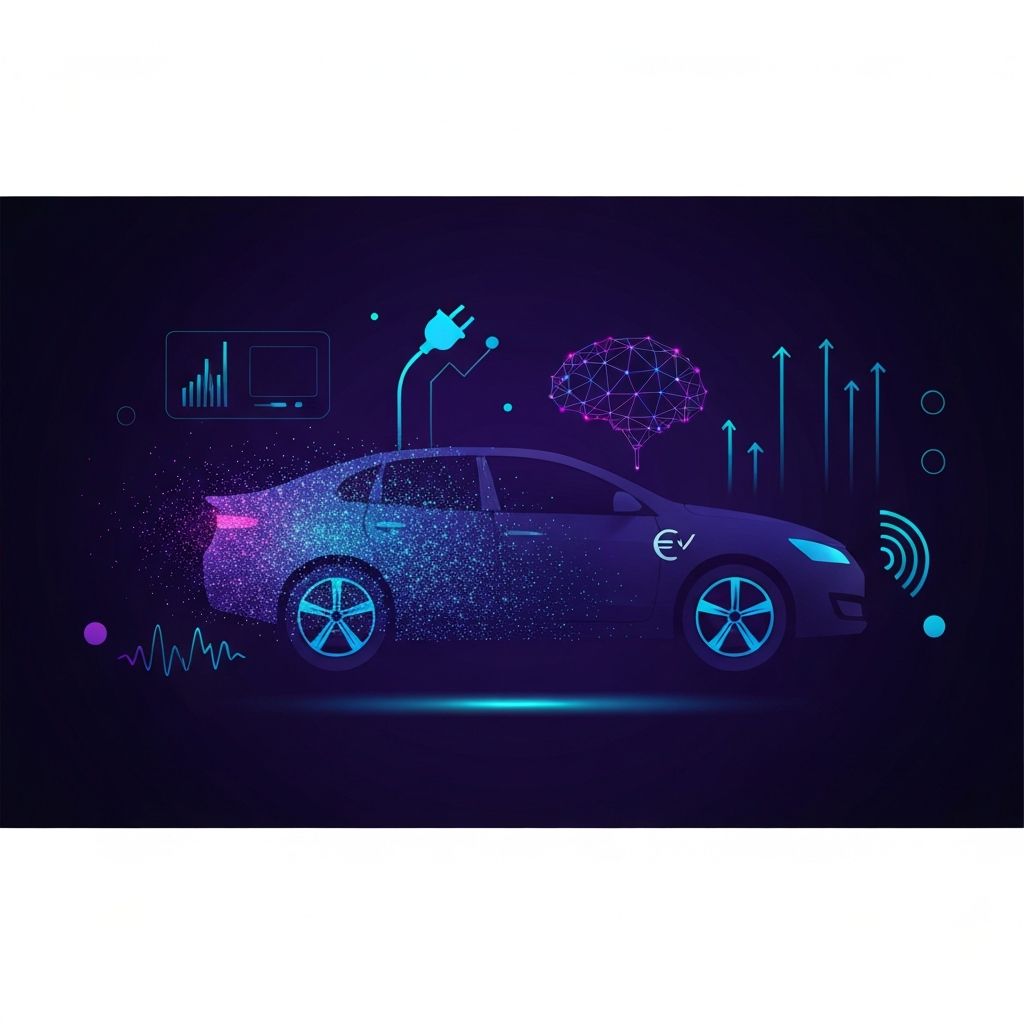
The automotive industry is in the middle of a once-in-a-generation transformation, and digital marketing is moving just as fast. Electric vehicles, connected cars, AI-driven search, and changing consumer expectations are reshaping how dealerships, manufacturers, and service businesses reach buyers. The marketing playbook that worked three years ago is already outdated. Brands that understand the most important automotive digital marketing trends of 2026 will capture market share, while those who lag behind risk becoming invisible.
How AAMAX.CO Helps Automotive Brands Stay Ahead
Keeping up with rapid change is hard, especially for dealerships and service businesses already stretched thin. AAMAX.CO provides comprehensive digital marketing services tailored to the automotive sector. They combine technical SEO, performance advertising, content creation, and reputation management into a single growth system. Their team continuously tracks emerging platforms and consumer behaviors so their clients are always positioned at the leading edge of the industry.
AI-Powered Search Is Reshaping Discovery
The most significant trend of 2026 is the explosive growth of AI-driven search. Tools like ChatGPT, Perplexity, Gemini, and Google's AI Overviews are now where many consumers begin their car-buying research. Instead of clicking through ten blue links, they ask a single conversational question and get a synthesized answer. Automotive brands must now optimize for generative engine results, which often pull from authoritative, well-structured content. This new discipline of generative engine optimization is quickly becoming as important as traditional SEO.
Video-First Storytelling
Video continues to dominate consumer attention, and automotive brands are leaning in. Short-form vertical videos on TikTok, Instagram Reels, and YouTube Shorts now drive massive awareness for new models, trims, and dealership offers. Long-form YouTube content — walkarounds, comparison reviews, and ownership stories — captures buyers deeper in the funnel. Live streaming test drives and virtual showrooms are also growing rapidly, especially for EV launches.
The EV Revolution Demands New Messaging
Electric vehicles are no longer a niche category. As EV adoption accelerates, marketing messages must evolve. Buyers want clear information about charging infrastructure, total cost of ownership, range, software updates, and incentives. Dealers and OEMs that publish educational content addressing these concerns earn trust and capture buyers earlier in the decision process. Generic "powerful and stylish" messaging no longer cuts through.
Connected Vehicle Data and Personalization
Modern vehicles generate enormous amounts of data, and OEMs are using it to build deeper relationships with owners. Marketing has become a lifecycle activity rather than a one-time transaction. Automakers send personalized service reminders, software update notifications, accessory recommendations, and trade-in offers based on real driving behavior. This kind of personalization will become a major competitive advantage in the coming years.
Local Search Dominance for Dealerships
For franchise and independent dealerships, local search remains the most important channel. Strong search engine optimization ensures dealers appear when consumers search for specific models, service appointments, or trade-in opportunities. Optimized inventory pages, schema markup, and Google Business Profile management can drive thousands of monthly leads at a fraction of the cost of traditional advertising.
Performance Advertising Evolves
Paid media in automotive is shifting from manual targeting toward AI-driven optimization. Smart bidding, broad match keywords, and audience signals now do much of the heavy lifting. Google ads Performance Max campaigns, paired with first-party data from CRMs, deliver remarkable results when set up correctly. The role of the marketer is shifting from manual lever-pulling to feeding the algorithms high-quality data and creative assets.
Social Commerce and Influencer Partnerships
Social media is no longer just brand awareness — it is becoming a direct sales channel. Social media marketing for automotive brands now includes shoppable posts, livestream test drives, and creator-led reviews. Partnerships with niche automotive influencers — EV enthusiasts, overlanders, car restoration creators — deliver authentic engagement that traditional ads cannot match.
Reputation Management as a Growth Driver
Online reviews continue to be one of the strongest decision factors in car buying and servicing. Dealers and shops that actively cultivate hundreds of positive reviews convert dramatically better than those that ignore reputation. Modern tools allow brands to monitor sentiment across dozens of platforms in real time and respond at scale, protecting both individual locations and broader brand equity.
Data Privacy and First-Party Strategy
With third-party cookies fading and privacy laws tightening, automotive brands must invest in first-party data infrastructure. CRMs, loyalty programs, owner apps, and email lists are now strategic assets. Brands that build clean, consented data sets gain a long-term advantage in targeting, personalization, and analytics.
Final Thoughts
Automotive digital marketing in 2026 is defined by AI, video, EV adoption, personalization, and privacy-first data. Brands that embrace these trends and integrate them into a cohesive strategy will dominate their markets, while those clinging to outdated tactics will struggle. The vehicles may be changing fast, but the marketing landscape is changing even faster — and the winners are already moving.