
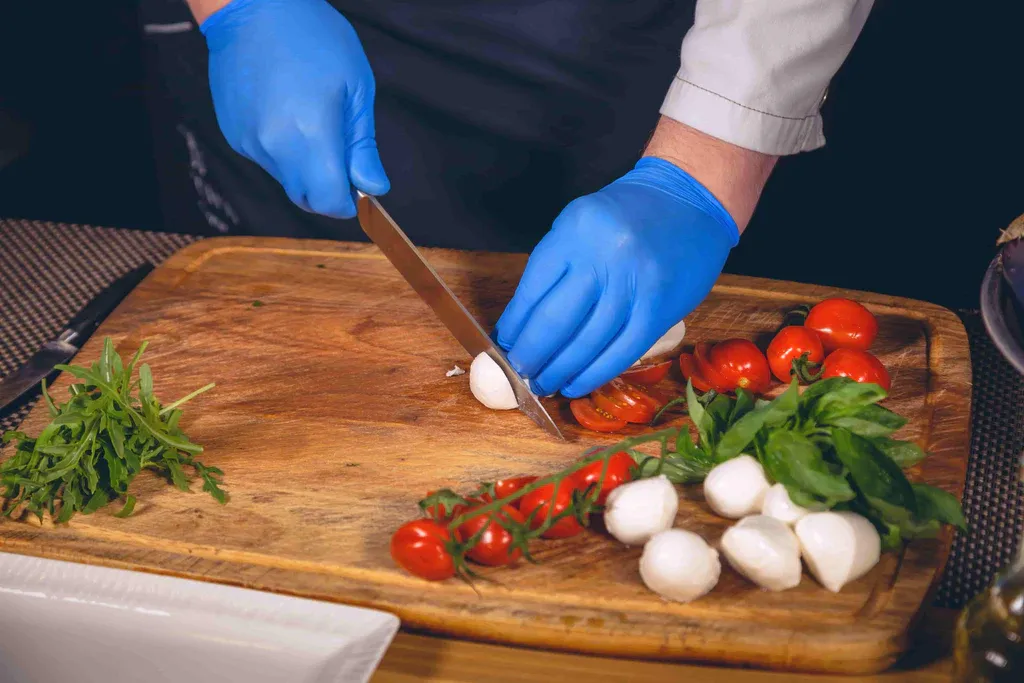
Nitrile gloves have become a standard sight in restaurants, food trucks, commercial kitchens, and even home cooking environments. They are commonly worn by chefs, food handlers, caterers, and food processing workers. Yet many people still ask an important question: are nitrile gloves food safe?
The short answer is yes, nitrile gloves are generally considered food safe when they are manufactured and used correctly. However, the full answer is more nuanced. Food safety depends on glove composition, certifications, intended use, proper handling, and how the gloves interact with different types of food.
This in-depth guide explores everything you need to know about nitrile gloves and food safety, including regulations, benefits, risks, comparisons with other glove materials, and best practices for food handling.
What Are Nitrile Gloves
Nitrile gloves are made from synthetic rubber known as nitrile butadiene rubber. Unlike latex gloves, nitrile gloves do not contain natural rubber proteins, which are responsible for latex allergies.
Originally developed for medical and industrial use, nitrile gloves are now widely used in food service due to their durability, chemical resistance, and allergy-friendly properties.
Key characteristics of nitrile gloves include:
- High puncture resistance
- Resistance to oils, fats, and chemicals
- Tight, form-fitting design
- Latex-free composition
These qualities make nitrile gloves especially appealing in environments where hygiene and protection are critical.
What Does Food Safe Mean When It Comes to Gloves
Food safe gloves are gloves that can be safely used when handling food without contaminating it or posing a health risk to consumers.
For gloves to be considered food safe, they must:
- Not release harmful chemicals into food
- Be free from toxic additives
- Be suitable for direct food contact
- Meet regulatory standards for food handling
Food safety also depends on how gloves are used. Even food safe gloves can become a contamination risk if they are misused, worn too long, or not changed frequently.
Are Nitrile Gloves Approved for Food Contact
Regulatory Approval in the United States
In the United States, the Food and Drug Administration regulates materials that come into contact with food. Many nitrile gloves are approved for food handling under FDA regulations.
Food-safe nitrile gloves typically comply with:
- FDA 21 CFR regulations for food contact materials
- Good Manufacturing Practices
- Migration limits for chemicals
Gloves that meet these standards are labeled as food safe or suitable for food handling.
International Food Safety Standards
Outside the United States, nitrile gloves may also comply with international standards such as:
- European Union food contact regulations
- ISO standards for protective gloves
- National food safety authority guidelines
When purchasing gloves, certifications and labeling are important indicators of food safety compliance.
Why Nitrile Gloves Are Popular in Food Service
Latex-Free and Allergy Safe
One of the biggest advantages of nitrile gloves is that they do not contain latex. Latex allergies can range from mild skin irritation to severe allergic reactions. Using nitrile gloves helps protect both workers and customers from potential exposure.
Many food establishments choose nitrile specifically to avoid allergy-related risks.
Resistance to Oils and Fats
Food preparation often involves oils, grease, fats, and acidic ingredients. Nitrile gloves perform exceptionally well in these conditions compared to latex or vinyl gloves.
This resistance reduces the chance of gloves breaking down and contaminating food.
Strong and Puncture Resistant
Nitrile gloves are stronger than many other disposable glove types. They are less likely to tear during food prep, especially when handling sharp utensils, bones, or rough ingredients.
Fewer glove failures mean lower contamination risk and better food safety.
Do Nitrile Gloves Leach Chemicals into Food
Chemical Migration Concerns
A common concern is whether nitrile gloves release chemicals into food. High-quality food-safe nitrile gloves are designed to minimize chemical migration.
Food-safe gloves are tested to ensure:
- Low extractable chemicals
- Compliance with food contact safety limits
- Stability when exposed to oils and moisture
Low-quality or non-food-grade gloves may not meet these standards, which is why certification matters.
Powder-Free vs Powdered Nitrile Gloves
Powdered gloves are rarely recommended for food handling. The powder can:
- Contaminate food
- Carry allergens
- Affect taste or texture
Most food service environments require powder-free nitrile gloves to reduce contamination risks.
Colored Nitrile Gloves and Food Safety
Why Blue and Black Gloves Are Common
Nitrile gloves are often available in blue or black rather than white. This is intentional in food safety environments.
Benefits of colored nitrile gloves include:
- Easier detection if a glove tears
- Reduced risk of glove fragments going unnoticed in food
- Improved visual contrast against food items
Blue gloves are especially common in food processing plants because they stand out clearly against most foods.
Color Additives and Safety
The pigments used in food-safe nitrile gloves are regulated and tested. Food-grade dyes are used to ensure that color additives do not pose a health risk.
As long as gloves are certified for food use, their color does not compromise safety.
Comparing Nitrile Gloves to Other Food Handling Gloves
Nitrile vs Latex Gloves
Latex gloves were once the most common option for food handling, but they have fallen out of favor due to allergy concerns.
Nitrile gloves offer:
- No latex proteins
- Comparable or superior strength
- Better chemical resistance
For most food environments, nitrile is considered safer and more versatile than latex.
Nitrile vs Vinyl Gloves
Vinyl gloves are often cheaper but come with trade-offs.
Compared to vinyl gloves, nitrile gloves:
- Are more durable
- Provide better protection against oils and fats
- Fit more securely on the hand
Vinyl gloves may be acceptable for low-risk tasks, but nitrile is generally preferred for serious food handling.
Nitrile vs Polyethylene Gloves
Polyethylene gloves are loose-fitting and commonly used for quick tasks such as serving baked goods.
Nitrile gloves provide:
- Better dexterity
- Stronger barrier protection
- Reduced risk of tearing
For food preparation rather than serving, nitrile gloves are the superior choice.
Proper Use of Nitrile Gloves in Food Handling
When to Wear Gloves
Gloves should be worn when:
- Handling ready-to-eat foods
- Preparing raw meat, poultry, or seafood
- Working with allergens
- Covering cuts or wounds on hands
Gloves are not a substitute for handwashing but an additional safety layer.
When to Change Gloves
Nitrile gloves must be changed frequently to remain food safe.
Change gloves:
- Between tasks
- After handling raw food
- When switching between food types
- If gloves tear or become contaminated
- After touching non-food surfaces
Wearing the same gloves for too long increases contamination risk.
Handwashing and Gloves
Hands should be washed:
- Before putting on gloves
- After removing gloves
- Whenever contamination occurs
Gloves do not eliminate the need for proper hand hygiene.
Common Misconceptions About Nitrile Gloves and Food Safety
Gloves Make Food Handling Completely Safe
Gloves reduce risk but do not guarantee safety. Poor glove practices can spread bacteria just as easily as bare hands.
Any Nitrile Glove Is Food Safe
Not all nitrile gloves are designed for food contact. Industrial or chemical-grade gloves may contain additives unsuitable for food handling.
Always look for food-safe labeling or certification.
Gloves Can Be Worn Indefinitely
Disposable nitrile gloves are intended for short-term use. Prolonged use leads to contamination and glove degradation.
Are Nitrile Gloves Safe for Hot Foods
Nitrile gloves are generally safe for handling warm foods, but they are not designed for extreme heat.
Important considerations include:
- Nitrile can degrade at high temperatures
- Gloves may become uncomfortable or weaken
- Direct contact with very hot surfaces should be avoided
For high-heat tasks, tools like tongs or heat-resistant gloves are more appropriate.
Nitrile Gloves and Allergen Control
Preventing Cross-Contamination
Nitrile gloves play an important role in allergen management. Changing gloves between tasks helps prevent cross-contact between allergenic and non-allergenic foods.
This is particularly important for:
- Nuts
- Shellfish
- Dairy
- Gluten-containing foods
Allergen-Free Materials
Since nitrile gloves are latex-free, they eliminate one major allergen risk in food service environments.
Environmental Considerations
Nitrile gloves are disposable and not biodegradable. While they enhance food safety, they also contribute to waste.
Some food businesses address this by:
- Using gloves only when necessary
- Training staff on proper glove usage
- Exploring recycling programs where available
Balancing hygiene and environmental responsibility is an ongoing challenge.
How to Choose Food Safe Nitrile Gloves
When selecting nitrile gloves for food handling, look for:
- FDA or equivalent food contact approval
- Powder-free labeling
- Clear indication of food-safe use
- Appropriate thickness for the task
- Trusted manufacturers
Avoid gloves without labeling or from unknown sources.
Final Answer: Are Nitrile Gloves Food Safe
Yes, nitrile gloves are food safe when they are specifically manufactured, certified, and used for food handling. They are widely accepted across the food industry due to their strength, resistance to oils, and latex-free composition.
However, food safety depends not only on the glove material but also on proper usage. Choosing certified food-safe nitrile gloves, changing them frequently, and practicing good hand hygiene are essential for protecting both workers and consumers.
When used responsibly, nitrile gloves are one of the most reliable and effective tools for maintaining food safety in both commercial and home kitchens.