
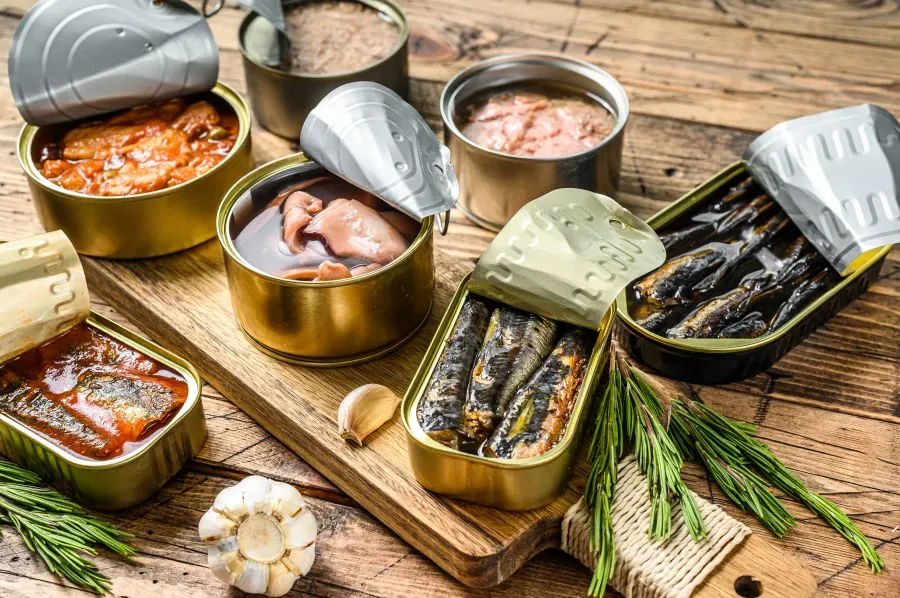
Canned food has long been a cornerstone of household pantries, emergency preparedness kits, and food storage programs around the world. Its convenience, affordability, and long shelf life make it an essential option for individuals and families alike. One of the most common and important questions people ask is how long does canned food last.
The answer depends on several factors, including the type of food, storage conditions, can integrity, and whether the food is commercially canned or home canned. While canned food is designed to last a long time, it does not last forever, and understanding the limits is crucial for both safety and quality.
This comprehensive guide explores canned food shelf life in detail, covering expiration dates, safety concerns, storage best practices, signs of spoilage, and how different types of canned foods compare.
Understanding Canned Food Shelf Life
Canned food lasts significantly longer than fresh or refrigerated food because of the canning process. Canning involves sealing food in an airtight container and heating it to a temperature that destroys microorganisms that cause spoilage and foodborne illness.
Once sealed, the can prevents oxygen, bacteria, and moisture from entering, which dramatically slows deterioration. However, over time, quality gradually declines even if the food remains safe to eat.
Shelf life refers to two different concepts:
- Food safety, meaning whether the food is safe to consume
- Food quality, meaning taste, texture, and nutritional value
Canned food may remain safe long after its quality has declined.
What Do Expiration Dates on Canned Food Mean
Best By vs Expiration Dates
Most canned foods do not have true expiration dates. Instead, they are labeled with:
- Best by dates
- Best if used by dates
- Best before dates
These dates indicate the manufacturer’s estimate of peak quality, not safety. Eating canned food after this date does not automatically mean it is unsafe.
True expiration dates are rare and usually appear only on products with specific nutritional or safety concerns.
Why Dates Exist at All
Manufacturers include dates to:
- Guarantee flavor and texture
- Ensure nutritional accuracy
- Manage inventory rotation
Over time, canned food may lose flavor, color, or firmness, but that does not necessarily make it dangerous.
How Long Does Commercially Canned Food Last
General Shelf Life Guidelines
When stored properly in a cool, dry place, most commercially canned foods can last far longer than many people expect.
General guidelines include:
- Low-acid canned foods can last 2 to 5 years or longer
- High-acid canned foods typically last 12 to 18 months
- Some canned foods remain safe for a decade or more if the can is intact
These are conservative estimates, and many canned goods remain safe beyond these timeframes.
Low-Acid Canned Foods
Low-acid foods have a pH above 4.6 and include items such as:
- Canned vegetables
- Canned meats
- Poultry
- Fish
- Soups
- Beans
These foods are more stable and tend to have the longest shelf life. When stored under ideal conditions, they can remain safe for many years.
High-Acid Canned Foods
High-acid foods have a pH of 4.6 or lower and include:
- Tomatoes
- Citrus fruits
- Pineapple
- Berries
- Sauerkraut
- Pickled products
The acidity can cause the metal can lining to degrade faster, shortening shelf life. While still safe for a significant period, quality declines more quickly.
How Long Does Home-Canned Food Last
Differences Between Commercial and Home Canning
Home-canned food does not undergo the same standardized industrial processes as commercially canned food. Because of this, shelf life and safety depend heavily on technique and storage.
Properly home-canned foods generally last:
- 1 year for best quality
- Up to 2 years if stored correctly and processed safely
Beyond this, quality decreases significantly, and safety risks increase.
Importance of Proper Canning Methods
Home-canned foods must follow approved methods, such as pressure canning for low-acid foods. Improper processing can result in dangerous bacteria, including those that cause botulism.
Home-canned food should never be consumed if there is any doubt about safety.
Does Canned Food Ever Go Bad
Safety vs Quality Over Time
Canned food can remain safe long after it is no longer enjoyable. Over time, you may notice:
- Faded color
- Softer texture
- Loss of flavor
- Slight metallic taste
These changes affect quality, not necessarily safety.
When Canned Food Is No Longer Safe
Canned food should not be consumed if:
- The can is bulging
- The can is leaking
- The can is severely rusted
- The can spurts liquid or foam when opened
- The food smells off or rotten
These are signs of spoilage or potential bacterial growth.
Signs of Spoiled or Unsafe Canned Food
Physical Signs on the Can
Always inspect the can before opening. Warning signs include:
- Bulging lids or ends
- Cracks or holes
- Severe dents along seams
- Rust that compromises the metal
Even a small breach can allow bacteria to enter.
Signs After Opening
Once opened, discard the food if you notice:
- Unpleasant or sour odor
- Mold growth
- Slimy texture
- Unexpected fizzing or bubbling
When in doubt, throw it out. Foodborne illness is never worth the risk.
Does Storage Location Affect Shelf Life
Ideal Storage Conditions
Proper storage significantly extends canned food shelf life. Ideal conditions include:
- Cool temperatures between 50 and 70 degrees Fahrenheit
- Low humidity
- Dark or shaded areas
- Stable temperatures with minimal fluctuation
Pantries, basements, and cabinets away from heat sources are ideal.
Poor Storage Conditions That Reduce Shelf Life
Canned food deteriorates faster when exposed to:
- Heat
- Freezing temperatures
- High humidity
- Direct sunlight
Heat can accelerate chemical reactions inside the can, while freezing can compromise seals.
How Long Does Canned Food Last After Opening
Once opened, canned food behaves like any other cooked food.
General guidelines after opening include:
- Refrigerate leftovers promptly
- Transfer food to a covered container
- Consume within 3 to 5 days
Leaving opened canned food in the can is not recommended, as it can absorb metallic flavors and degrade faster.
Nutritional Changes Over Time
Vitamin Loss in Canned Food
While canned food retains many nutrients, some vitamins degrade over time, particularly:
- Vitamin C
- B vitamins
Protein, fat, carbohydrates, and minerals remain largely stable.
Is Old Canned Food Less Nutritious
Yes, older canned food may contain fewer vitamins, but it still provides calories and basic nutrition. This makes it especially valuable in emergency situations.
How Long Do Specific Types of Canned Food Last
Canned Vegetables
Most canned vegetables last:
- 2 to 5 years for best quality
- Longer if stored properly
Texture may soften over time, but safety remains if the can is intact.
Canned Fruits
Canned fruits typically last:
- 12 to 18 months for best quality
- Up to 2 years or more in good storage
Syrup may darken over time, but this does not necessarily indicate spoilage.
Canned Meat and Fish
Canned meats and fish often last:
- 3 to 5 years
- Sometimes longer under ideal conditions
Flavor changes may occur, but safety generally remains high if the can is undamaged.
Canned Soups and Meals
Prepared canned meals usually last:
- 2 to 3 years for best quality
Because they contain multiple ingredients, quality changes may be more noticeable.
Can You Eat Canned Food Past the Best By Date
What Food Safety Experts Say
Food safety authorities generally agree that:
- Properly stored canned food is safe beyond the best by date
- The date reflects quality, not safety
Millions of people consume canned food past these dates without issue.
How Far Past the Date Is Acceptable
There is no universal cutoff, but many canned foods remain safe for:
- 1 to 4 years past the date
- Longer for low-acid foods
Inspection and common sense are essential.
Emergency Preparedness and Long-Term Storage
Why Canned Food Is Ideal for Emergencies
Canned food is a staple of emergency preparedness because it:
- Does not require refrigeration
- Has a long shelf life
- Is easy to store and transport
Understanding shelf life helps with effective emergency planning.
Rotation and Inventory Management
Best practices include:
- Rotating stock regularly
- Using older cans first
- Labeling home-canned foods with dates
Rotation ensures quality and reduces waste.
Common Myths About Canned Food Shelf Life
Canned Food Lasts Forever
While canned food lasts a long time, it does not last forever. Quality will decline, and eventually safety can be compromised.
Expired Means Dangerous
A best by date does not mean the food is unsafe. It only indicates peak quality.
Rust Always Means Spoilage
Minor surface rust is usually harmless. Deep rust that compromises the can is the real concern.
When to Discard Canned Food Without Question
Always discard canned food if:
- The can is bulging
- The seal is broken
- There is a foul odor
- There is visible mold
- The contents spray upon opening
These are clear safety hazards.
Final Answer: How Long Does Canned Food Last
Canned food can last anywhere from 1 year to over 5 years, depending on the type of food, acidity level, and storage conditions. Low-acid canned foods often last the longest, while high-acid foods have a shorter shelf life. Best by dates indicate quality, not safety, and many canned foods remain safe well beyond those dates when stored properly.
Understanding how to store, inspect, and use canned food allows you to maximize its value while minimizing risk. With proper handling and common sense, canned food remains one of the safest and most reliable long-term food storage options available.