
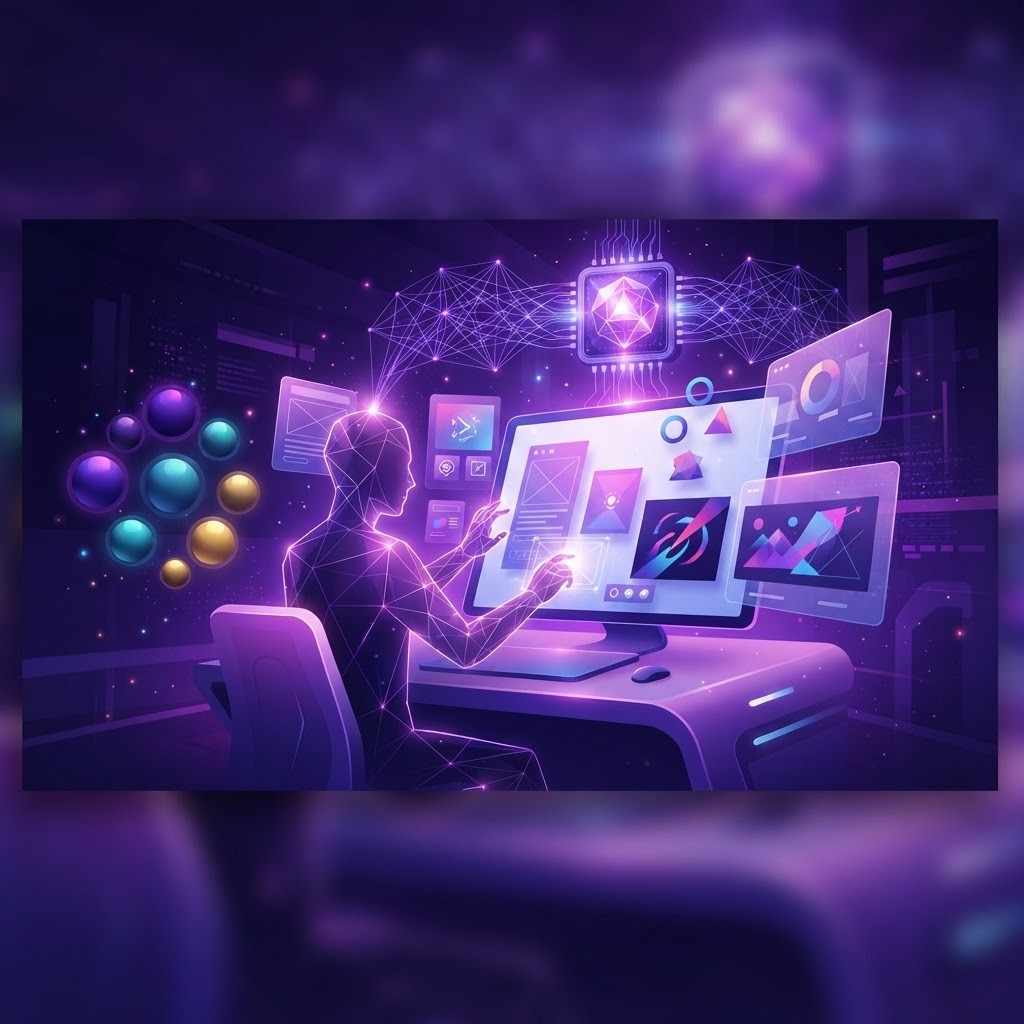
For web designers watching AI tools generate layouts, images, and code at astonishing speed, the anxiety is understandable. If a machine can produce a decent-looking website in minutes, what happens to the professionals who have built careers on design skill and craft? The question of whether web designers will be replaced by AI is on the minds of freelancers and agency professionals everywhere. The reassuring truth is that while AI is automating parts of the job and changing what designers do day to day, the profession itself is not disappearing. Instead, it is evolving toward higher-value work that emphasizes strategy, creativity, and human understanding.
How AAMAX.CO Empowers Designers and Businesses Alike
The most successful web projects come from teams that use AI to enhance human creativity rather than replace it, and AAMAX.CO embodies this philosophy for clients worldwide. Their designers leverage AI to work faster while dedicating their expertise to the strategy, branding, and user experience that drive real outcomes, delivering website development that businesses can rely on. As a full-service digital marketing company, they demonstrate exactly how skilled designers remain central in an AI-powered world, using technology as a tool to produce better, more effective websites than automation alone ever could.
What AI Is Changing About the Designer's Job
AI is genuinely reshaping the daily work of web designers. Tasks that once consumed hours, such as creating layout variations, resizing and editing images, generating placeholder content, and writing repetitive code, can now be handled in seconds. AI can suggest color schemes, apply design systems consistently, and even prototype interactions. For designers, this means the mechanical and repetitive parts of the job are increasingly automated. The change is significant, and it is happening fast enough that ignoring it is not an option.
This shift is particularly disruptive at the entry level, where much of the work has traditionally involved these kinds of production tasks. Designers who defined their value primarily through production speed are the most exposed. However, this same automation is opening the door for designers to spend more time on the work that actually distinguishes great design from mediocre design.
Why Designers Remain Essential
Several core aspects of web design cannot be automated away. The first is strategic thinking. A skilled designer does not just make things look good; they understand the client's business, their audience, and their goals, then design solutions that achieve specific objectives. This requires context, empathy, and judgment that AI simply does not possess. AI can generate a page, but it cannot decide what that page should accomplish and why.
Creativity is the second pillar. Because AI learns from existing designs, its output naturally tends toward the average and the familiar. Truly original, brand-defining creative work comes from human imagination, cultural awareness, and the ability to break patterns intentionally. The third pillar is understanding people. Great design anticipates how real users will feel and behave, builds trust, and guides them intuitively. This human-centered insight is the essence of good design and is beyond AI's reach.
The Value of Human Judgment and Taste
Design is full of decisions that have no single correct answer, where taste and judgment make the difference. Knowing when to break a rule for effect, when a design feels right versus merely correct, and how to balance competing priorities all rely on refined human sensibility. Clients also value collaboration, communication, and the trust that comes from working with a professional who understands their vision. These relational and intuitive dimensions of design work keep human designers indispensable.
How the Profession Is Evolving
The web designer of the future is more of a creative director and strategist than a production artist. They orchestrate AI tools to handle the heavy lifting while focusing their energy on vision, strategy, and refinement. Many designers are expanding their skills into related areas like user experience research, conversion optimization, and brand strategy, making themselves more versatile and valuable. Others are specializing in complex, custom work that AI cannot handle. The common thread is a move toward higher-value, more strategic contributions.
This evolution actually raises the ceiling for talented designers. As basic design becomes commoditized by AI, businesses increasingly seek designers who can deliver distinctive, results-driven work. The professionals who position themselves this way find growing demand for their expertise.
How Designers Can Thrive
To succeed in this new landscape, web designers should embrace AI tools and become skilled at directing them, treating them as powerful assistants. They should invest in the skills that set them apart: strategic thinking, creativity, user experience, and communication. Building a portfolio that demonstrates results and business impact, not just visual appeal, makes them more attractive to clients. And staying curious and adaptable ensures they keep pace as the tools continue to evolve.
The Verdict
Will web designers be replaced by AI? No. AI will automate many production tasks and change what designers do, but it cannot replace the strategy, creativity, and human understanding that define great design. The designers who adapt by embracing AI and focusing on high-value human work will find their careers more secure and rewarding than ever. The profession is not ending; it is maturing, and the designers who grow with it will be more valuable, more creative, and more in demand than they were before AI arrived.