
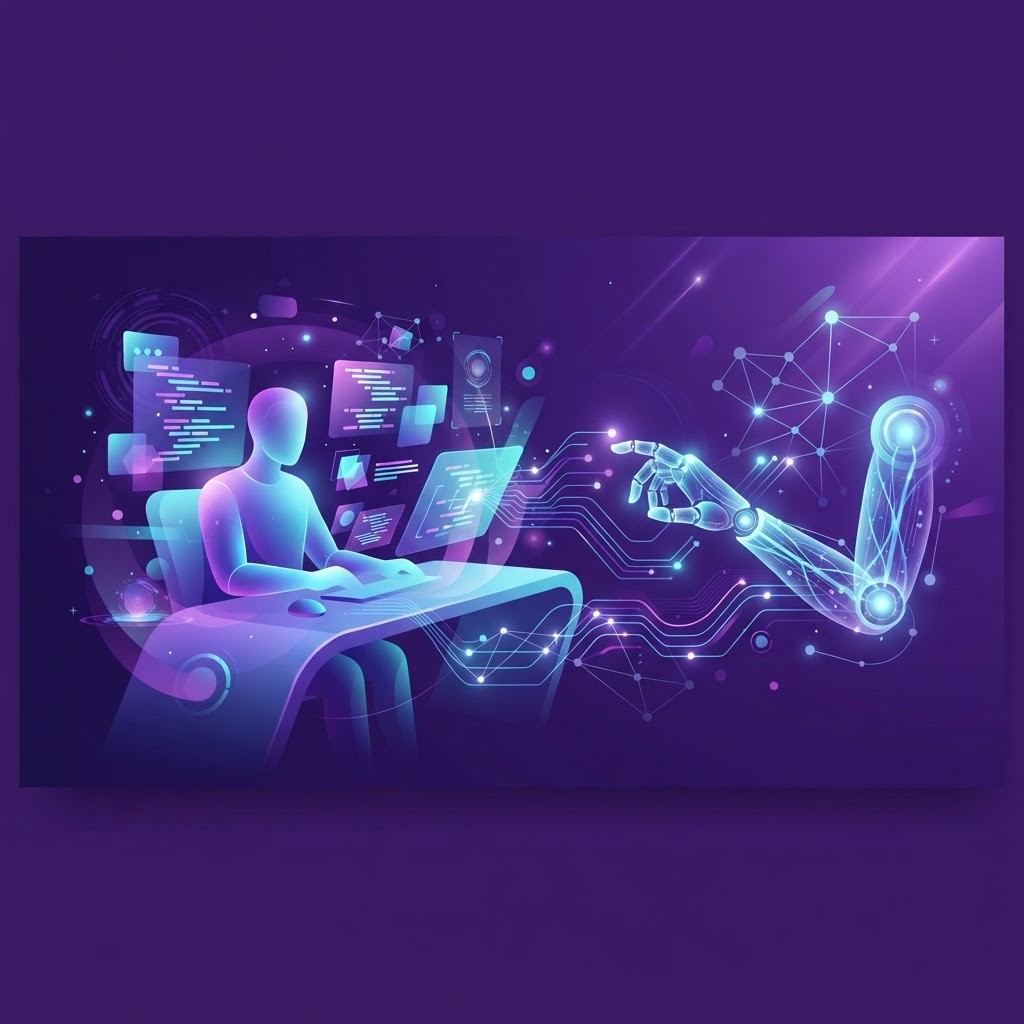
The rapid rise of AI coding assistants has sparked genuine anxiety among developers. If a machine can generate working code from a sentence, what happens to the people who write code for a living? The question of whether AI will take web developer jobs deserves a thoughtful answer rather than a panicked one. The evidence suggests that AI is changing the job significantly, but it is not eliminating the profession. Instead, it is reshaping what developers do and raising the bar on the skills that matter most.
Grow Your Web Projects With AAMAX.CO
Whether you are a business hiring developers or a company that needs a reliable technical partner, AAMAX.CO can help you get more done with less friction. As a full-service digital marketing company serving clients worldwide, they combine seasoned engineering talent with AI-accelerated workflows to deliver high-quality web projects efficiently. Their website development team handles everything from custom builds to ongoing maintenance, applying human expertise where it counts most. When you want dependable results without the overhead of building an in-house team, their specialists are ready to step in.
Understanding the Real Impact of AI
To assess the threat honestly, it helps to look at what AI actually replaces. AI coding tools excel at generating boilerplate, completing repetitive patterns, and producing first drafts of common functionality. Junior-level tasks that involve straightforward, well-documented problems are the most exposed to automation, because these are exactly the patterns AI has learned from millions of examples.
This does not mean junior developers are doomed, but it does mean the nature of entry-level work is changing. Simply knowing how to write basic code is no longer enough to stand out, because AI can do that. The value now lies in understanding systems, solving novel problems, and knowing how to use AI tools effectively to accomplish more.
Why Demand for Developers Remains Strong
History offers reassurance. Every major leap in software abstraction, from assembly to high-level languages to frameworks and cloud platforms, was predicted to reduce the need for developers. Instead, each one expanded what was possible and increased demand, because cheaper and faster development meant businesses built more software, not less. AI is likely to follow the same pattern.
The world's appetite for software is nowhere near satisfied. As development becomes faster and more accessible, companies will pursue more ambitious projects, automate more processes, and build more products. All of this requires skilled people to design, guide, and maintain the systems. Productivity gains from AI tend to create more work at a higher level, not less.
The Skills That Machines Cannot Replace
Certain capabilities remain firmly human. System architecture, the art of structuring software so it stays maintainable and scalable, requires judgment born of experience. Debugging complex, context-specific problems demands critical thinking that AI cannot fully replicate. Understanding business requirements, communicating with non-technical stakeholders, and making trade-offs aligned with real goals are deeply human tasks.
Security and reliability also depend on human oversight. AI-generated code can introduce subtle vulnerabilities or fail in ways that only an experienced developer will catch. Someone must take ownership of quality, review the output critically, and ensure the final product is safe and robust. That accountability cannot be automated away.
How the Developer Role Is Evolving
The modern developer is becoming less of a manual coder and more of an engineer who directs AI, reviews its work, and focuses on the hard problems. Time once spent writing repetitive code is redirected toward design, integration, optimization, and solving genuinely difficult challenges. This is a more strategic and, for many, more rewarding version of the job.
Developers who master AI tools gain a significant edge. Being able to generate code quickly, then apply expertise to refine and integrate it, makes a developer far more productive. Employers increasingly value those who can leverage AI to deliver more, faster, without sacrificing quality.
Preparing for the Future
To stay ahead, developers should learn to work fluently with AI while investing in the skills that set them apart. Deepen your understanding of computer science fundamentals, system design, and security. Practice solving complex problems that go beyond what AI can handle. Cultivate communication and collaboration skills that make you valuable on any team.
Specialization helps too. Expertise in complex domains, emerging technologies, or areas requiring deep judgment makes a developer difficult to replace. Above all, adopt a mindset of continuous learning, because the tools will keep evolving and the developers who adapt will always be in demand.
The Verdict
Will AI take web developer jobs? It will automate many routine tasks and change what the job looks like, especially at the entry level. But it will not eliminate the profession. Demand for skilled developers who can architect systems, solve hard problems, and use AI effectively is likely to grow. The developers most at risk are those who refuse to adapt, while those who embrace AI and sharpen their expertise will find their careers more secure and rewarding than ever.