
Understanding the Concern
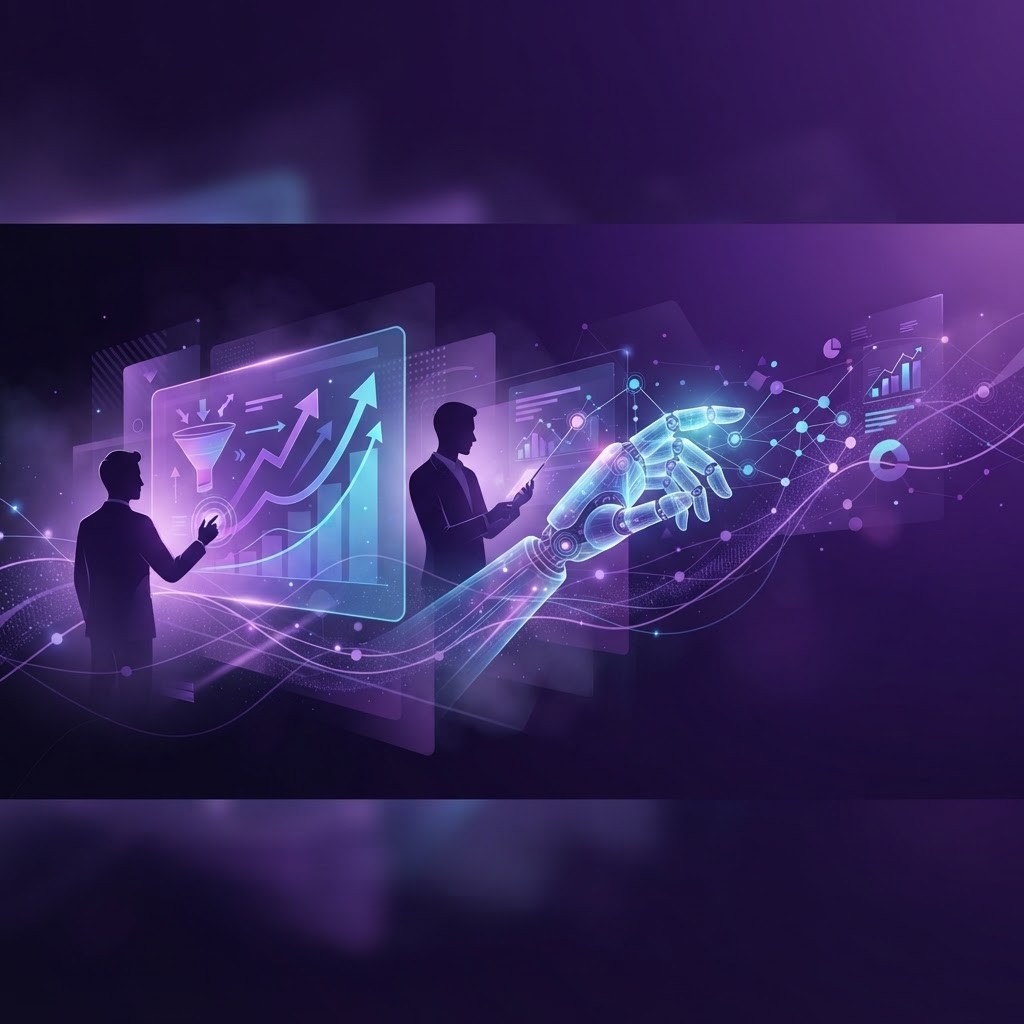
Digital marketing has always been a technology-driven field, but the arrival of powerful AI tools has raised the question more urgently than ever: will AI take over digital marketing jobs? From automated ad bidding and AI-generated content to predictive analytics and chatbots, machines now handle tasks that once required teams of specialists. It is understandable that professionals feel uncertain about their futures. Yet the evidence suggests that AI is reshaping digital marketing careers rather than eliminating them, creating new opportunities even as it automates old routines.
Digital marketing encompasses a wide range of disciplines, including SEO, paid advertising, content marketing, email, social media, and analytics. AI affects each of these differently, automating some tasks while amplifying the importance of human expertise in others. A clear-eyed look at how AI interacts with these areas reveals a future of collaboration rather than replacement.
How AAMAX.CO Empowers Digital Marketing Teams With AI
Adopting AI effectively requires strategy, and AAMAX.CO helps businesses around the world integrate AI into their digital marketing operations without losing the human insight that drives results. As a full-service digital marketing company, they build workflows that combine automation with expert oversight, using AI to handle repetitive work while their specialists focus on strategy and creativity. Their team also applies search engine optimization expertise alongside AI-driven tools to maximize visibility and performance. For organizations seeking to enhance their teams with AI rather than replace them, AAMAX.CO delivers practical, high-impact solutions. Discover more about their capabilities at AAMAX.CO.
Which Digital Marketing Tasks AI Automates
AI is particularly effective at automating repetitive and data-heavy digital marketing tasks. In paid advertising, machine learning algorithms now handle bidding, budget allocation, and audience targeting with impressive efficiency. In content marketing, generative AI can produce drafts, headlines, and social posts quickly. In analytics, AI surfaces insights and forecasts outcomes that once took analysts hours to compile. Chatbots and automated email sequences manage routine customer interactions around the clock.
These capabilities can reduce the manual workload significantly, and roles centered purely on execution of these repetitive tasks may shrink. However, the output of AI still requires strategic direction, quality control, and creative refinement. The technology accelerates the work but does not eliminate the need for skilled professionals to guide it.
Where Human Expertise Remains Essential
Digital marketing is not just about executing tasks; it is about strategy, creativity, and understanding people. AI cannot define a brand's positioning, craft an emotionally resonant campaign concept, or navigate the complex dynamics of a target audience. It cannot build authentic relationships with customers, partners, and influencers, nor can it exercise the ethical judgment required to market responsibly. These distinctly human capabilities are becoming more valuable as AI handles the mechanical aspects of the work.
Interpreting data is another area where humans remain indispensable. AI can produce insights, but deciding what those insights mean for the business and how to act on them requires context, experience, and judgment. Similarly, creativity that breaks through the noise comes from human imagination and cultural understanding, not from algorithms trained on existing patterns. The professionals who master these skills will remain in high demand.
New Roles Created by AI
Far from simply destroying jobs, AI is creating new ones. Demand is rising for professionals who can manage marketing technology, design and refine AI-driven campaigns, interpret complex data, and ensure that AI is used ethically and effectively. Skills such as prompt engineering, AI tool management, and generative engine optimization are becoming valuable specialties. Marketers who develop these competencies position themselves at the forefront of the industry.
The overall effect is a shift in the skill set required to succeed. Repetitive execution matters less, while strategic thinking, creativity, technical fluency, and analytical judgment matter more. This mirrors past technological shifts in marketing, each of which changed the nature of work while ultimately expanding the field.
How to Future-Proof Your Digital Marketing Career
Professionals who want to thrive should embrace AI rather than resist it. Learning to use AI tools proficiently is now a fundamental skill, much like learning to use analytics platforms or social media management software became essential in earlier eras. Beyond tool proficiency, developing strategic and creative capabilities ensures that you provide value that AI cannot replicate.
Continuous learning is crucial in a field that evolves so quickly. Staying current with new tools, techniques, and platforms keeps your skills relevant. Cultivating soft skills such as communication, collaboration, and adaptability also pays off, since these human strengths become more prominent as technical execution is automated. The marketers who combine human insight with AI fluency will be the most successful and secure.
Final Thoughts
AI will not take over digital marketing jobs entirely, but it will transform them significantly, automating routine tasks while elevating the importance of strategy, creativity, and human judgment. Professionals who adapt, upskill, and embrace AI as a collaborator will find abundant opportunities in the evolving landscape. The path forward is not fear but proactive growth. By partnering with a forward-thinking team like AAMAX.CO, businesses and marketers can harness AI to work smarter, achieve better results, and build careers that are resilient in the face of technological change.