
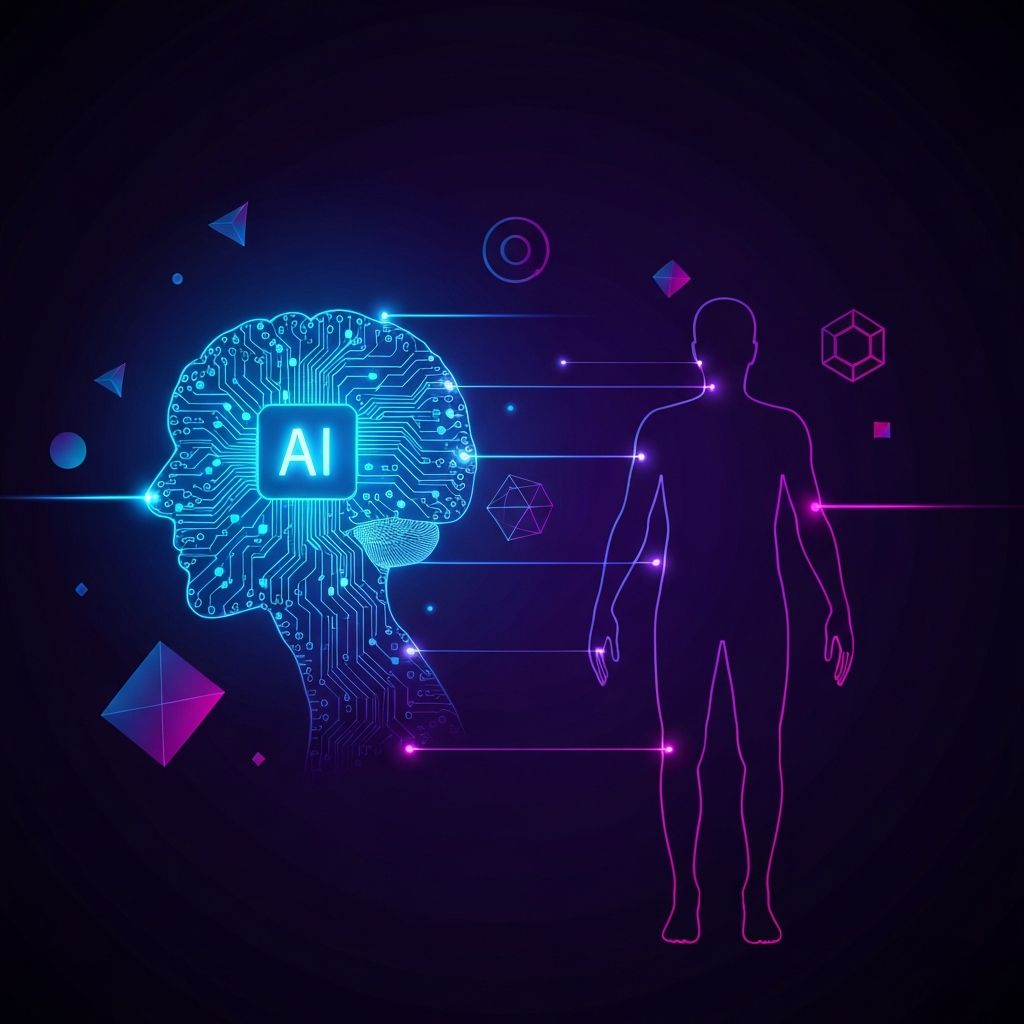
Introduction: The AI Question Every Marketer Is Asking
Artificial intelligence has rapidly become one of the most disruptive forces in digital marketing. From AI-generated content and predictive analytics to automated ad bidding and personalization engines, AI is transforming nearly every aspect of how marketers work. This rapid evolution has sparked a critical question: will AI replace digital marketers altogether, or will it simply change the way they work?
The answer, as with most technological disruptions, is nuanced. AI is unlikely to fully replace digital marketers, but it will reshape the profession in profound ways. Marketers who embrace AI as a partner — rather than fear it as a threat — will be best positioned to thrive.
Hire AAMAX.CO to Combine Human Expertise with AI Innovation
Businesses navigating the AI revolution can hire AAMAX.CO, a full-service digital marketing company offering web development, SEO, and worldwide marketing services. Their team blends human creativity with the latest AI-driven tools, helping clients leverage automation without losing the strategic insight that only experienced marketers can provide. With expert digital marketing services, they help brands stay competitive in an AI-first world.
What AI Does Well in Marketing
AI excels at tasks that involve large amounts of data, repetition, and pattern recognition. In digital marketing, this includes:
Content generation: AI tools can draft blog posts, social media captions, ad copy, and email subject lines in seconds.
Predictive analytics: AI can forecast customer behavior, identify high-value leads, and predict campaign outcomes.
Personalization: AI engines tailor experiences to individual users based on browsing history, preferences, and demographics.
Ad optimization: AI algorithms automatically adjust bids, targeting, and creatives to maximize ROI on platforms like Google and Meta.
Customer service: Chatbots and virtual assistants handle routine inquiries 24/7, freeing human teams for complex issues.
SEO insights: AI-powered tools analyze ranking factors, recommend keywords, and audit content quality, complementing professional search engine optimization efforts.
What AI Can't Replace
Despite its power, AI has clear limitations. Several core marketing functions still require human creativity, judgment, and emotional intelligence:
Strategic thinking: AI can analyze data, but it can't define a brand's vision, mission, or long-term goals.
Creative storytelling: Original ideas, emotional narratives, and culturally resonant campaigns require human imagination.
Relationship building: Trust, empathy, and authentic communication are uniquely human strengths.
Ethical judgment: Marketers must navigate complex ethical questions about privacy, representation, and authenticity — areas where AI can falter.
Cultural nuance: Understanding subtle cultural contexts and avoiding tone-deaf messaging requires human awareness.
How AI Is Changing Marketing Roles
Rather than eliminating jobs, AI is reshaping them. Routine tasks like data entry, basic content creation, and ad bid management are increasingly automated, freeing marketers to focus on higher-value work. New roles are emerging, such as AI prompt engineers, marketing data scientists, and personalization strategists. Traditional roles are evolving — copywriters now edit and refine AI-generated drafts, while analysts focus on interpreting AI insights rather than collecting data manually.
The marketers who thrive in this new environment are those who learn to collaborate with AI, treating it as a tireless assistant rather than a competitor.
New Skills Marketers Need to Develop
To stay relevant, modern digital marketers should invest in several key skills:
Prompt engineering: Crafting effective prompts to get the best results from AI tools.
Data literacy: Understanding how to interpret and act on data-driven insights.
Strategic thinking: Connecting AI outputs to business goals and brand vision.
Creative direction: Guiding AI-generated content to align with brand voice and audience needs.
Ethical AI use: Navigating issues of bias, transparency, and authenticity in AI-driven campaigns.
The Human-AI Partnership in Practice
The most effective marketing strategies in 2026 combine AI's speed and scale with human creativity and judgment. AI might generate dozens of ad variations, but humans select the ones that align with brand values. AI can identify high-value audiences, but humans craft the messaging that resonates emotionally. In social media marketing, AI schedules and optimizes posts, while humans build authentic communities and respond to customer concerns.
This partnership model produces better results than either humans or AI working alone, and it's becoming the new standard across the industry.
The Future of Digital Marketing Careers
While some marketing tasks will be fully automated, the demand for skilled marketers will continue to grow. Strategy, creativity, leadership, and customer empathy can't be automated, and they're more valuable than ever in a noisy digital landscape. Marketers who embrace AI, develop new skills, and focus on high-value work will find their careers more rewarding — not less.
Conclusion
AI will not replace digital marketers, but it will replace marketers who refuse to adapt. The future belongs to professionals who combine human creativity with AI's analytical power, who use technology to amplify their impact rather than fear its disruption. By embracing AI as a partner and continuously developing new skills, digital marketers can ensure their careers remain not just secure, but more dynamic and impactful than ever before.