
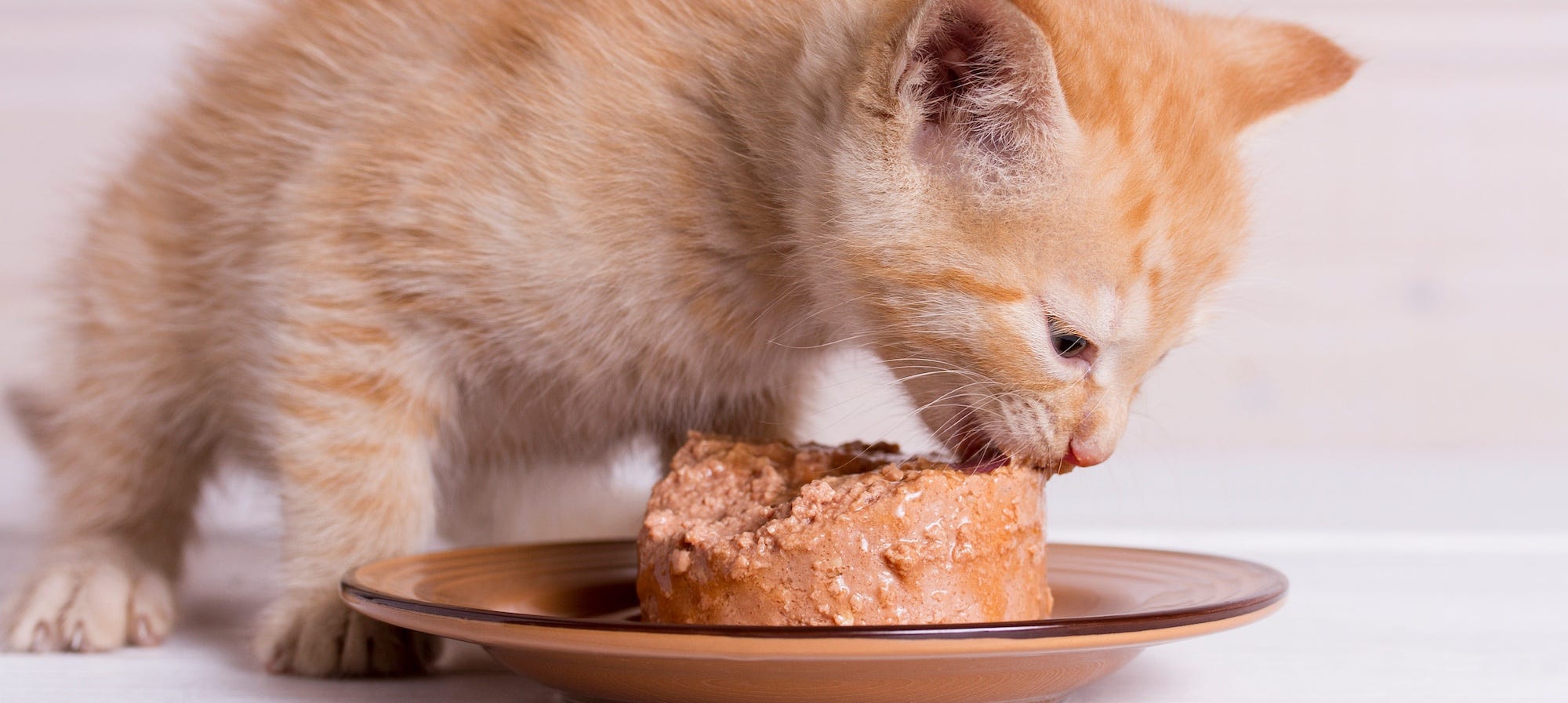
Welcoming a new kitten into your home is an exciting experience, but it also comes with many questions—especially about feeding. One of the most common concerns new kitten owners have is when kittens can eat wet food and how to introduce it safely. Feeding plays a critical role in a kitten’s growth, immune development, and long-term health, so getting it right from the beginning matters.
This in-depth guide explains when kittens can eat wet food, why timing is important, how wet food fits into their developmental stages, and how to transition kittens properly without causing digestive upset. Whether you are caring for a newborn kitten, fostering, or adopting a young kitten, this article will give you a clear, practical understanding of kitten feeding.
Understanding a Kitten’s Early Nutritional Needs
Kittens are not just small cats. Their nutritional needs are dramatically different from adult cats due to their rapid growth, developing organs, and immature digestive systems.
During the first weeks of life, kittens rely entirely on liquid nutrition. Their bodies are designed to digest milk, and they lack the physical ability to chew or process solid food. As they grow, their digestive enzymes, teeth, and coordination develop, allowing them to gradually transition to more complex foods like wet food.
Understanding these biological changes helps explain why wet food should be introduced at a specific age, rather than too early or too late.
The First Weeks of Life: Milk Is Essential
Birth to 4 Weeks Old
From birth until around four weeks of age, kittens should consume only milk.
- Ideally, this is their mother’s milk
- Or, if orphaned, a veterinarian-approved kitten milk replacer
- Kittens cannot chew
- Their digestive system cannot handle solid food
- Their immune system depends on antibodies from milk
Introducing wet food too early can lead to:
- Diarrhea
- Dehydration
- Nutritional imbalances
- Failure to thrive
When Kittens Can Start Eating Wet Food
Around 4 to 5 Weeks of Age
Most kittens can begin eating wet food at approximately four to five weeks old. This period marks the beginning of the weaning stage, when kittens start transitioning away from milk and toward solid foods.
At this age:
- Baby teeth (deciduous teeth) begin to emerge
- Kittens develop better coordination
- Their digestive systems become more adaptable
- Curiosity about their mother’s food increases
Why Wet Food Is Ideal for Weaning Kittens
Wet food offers several advantages for kittens just beginning to eat solid food.
Soft Texture
Wet food is easy to lap and chew, even with newly emerging teeth. It does not require strong jaw muscles, making it ideal for young kittens.
High Moisture Content
Kittens transitioning from milk benefit from the moisture in wet food, which helps:
- Prevent dehydration
- Support kidney function
- Ease digestion
Strong Aroma and Flavor
Wet food has a stronger smell and taste than dry food, making it more appealing to kittens who are just learning to eat on their own.
Nutrient Density
High-quality kitten wet food is formulated with:
- Higher protein levels
- Essential fats
- Vitamins and minerals needed for growth
How to Introduce Wet Food to Kittens
Introducing wet food should be done gradually and thoughtfully to avoid digestive upset and encourage positive eating habits.
Step 1: Create a Soft Food Mixture
When kittens are first introduced to wet food, it is best to mix it with:
- Warm water, or
- Kitten milk replacer
Step 2: Offer Small Amounts
Start with small portions placed on a shallow plate or dish. Kittens may initially:
- Play with the food
- Step in it
- Lick it off their paws
Step 3: Allow Exploration
Do not force-feed kittens. Let them explore the food at their own pace. Most kittens will gradually begin to consume more over several days.
Step 4: Gradually Reduce Milk
As kittens eat more wet food, they will naturally rely less on milk. By six to seven weeks, many kittens consume mostly wet food with minimal milk supplementation.
Typical Feeding Timeline for Kittens
While every kitten develops at its own pace, the following timeline provides a general guideline.
0 to 4 Weeks
- Diet: Mother’s milk or kitten milk replacer only
- Feeding method: Nursing or bottle-feeding
4 to 5 Weeks
- Diet: Milk plus wet food mixed with liquid
- Feeding method: Lapping from a dish
6 to 7 Weeks
- Diet: Mostly wet kitten food
- Milk intake decreases significantly
8 Weeks and Older
- Diet: Wet food, with optional introduction of dry kitten food
- Fully weaned from milk
Can Kittens Eat Wet Food Every Day?
Yes, kittens can eat wet food daily, and many veterinarians recommend it as a primary food source during early development.
Daily wet food provides:
- Adequate hydration
- High-quality protein for muscle growth
- Essential fatty acids for brain and eye development
Choosing the Right Wet Food for Kittens
Not all wet foods are suitable for kittens. Selecting the correct product is essential.
Look for “Kitten” or “Growth” Formulas
Kitten-specific wet food is formulated to meet higher energy and nutrient needs. Adult cat food does not provide sufficient protein or calories for growing kittens.
Check Protein Quality
Protein should come from named animal sources such as:
- Chicken
- Turkey
- Beef
- Fish
Avoid Harmful Ingredients
Steer clear of foods containing:
- Artificial colors
- Excessive fillers
- Onion or garlic
- High sodium levels
How Much Wet Food Should Kittens Eat?
The amount of wet food a kitten needs depends on:
- Age
- Weight
- Activity level
- Brand and calorie content of the food
General Feeding Pattern
- 4 to 8 weeks: 4 to 6 small meals per day
- 8 to 12 weeks: 3 to 4 meals per day
- 3 to 6 months: 3 meals per day
Signs a Kitten Is Ready for Wet Food
Not all kittens transition at the exact same time. Watch for these signs that a kitten is ready to start eating wet food:
- Chewing or nibbling behavior
- Interest in the mother’s food
- Ability to stand and walk steadily
- Lapping liquids from a dish
- Emerging baby teeth
Common Challenges During the Transition
Digestive Upset
Some kittens may experience mild diarrhea or soft stools during weaning. This is often temporary and improves as their digestive system adapts.
To reduce risk:
- Transition gradually
- Avoid sudden food changes
- Ensure food is fresh and properly stored
Food Refusal
Some kittens may be hesitant to try wet food at first. Warming the food slightly or mixing in a small amount of milk replacer can increase acceptance.
Messy Eating
Kittens are naturally messy eaters. This phase does not last long and is part of their learning process.
Can Orphaned Kittens Eat Wet Food?
Yes, orphaned kittens can eat wet food at the same developmental stage as kittens raised by their mother, typically around four to five weeks.
However, orphaned kittens may require:
- More gradual transitions
- Extra monitoring of weight gain
- Continued milk supplementation during early weaning
Wet Food vs Dry Food for Kittens
Both wet and dry food can be part of a healthy kitten diet, but wet food offers specific benefits during early life.
Benefits of Wet Food
- Higher moisture content
- Easier to chew
- Often more palatable
- Supports hydration
Benefits of Dry Food
- Convenient storage
- Helps kittens learn to chew harder textures
- Can support dental health when older
When Should Kittens Stop Eating Wet Food?
There is no required age at which kittens must stop eating wet food. Many cats eat wet food throughout their lives.
Kittens can continue eating wet food:
- Through adolescence
- Into adulthood
- As seniors
The Importance of Monitoring Growth and Health
Regardless of feeding method, it is important to monitor a kitten’s:
- Weight gain
- Energy levels
- Coat condition
- Stool quality
Conclusion
So, when can kittens eat wet food? The answer is around four to five weeks of age, when they are developmentally ready to begin the weaning process. Wet food serves as an ideal transition from milk to solid food, offering softness, moisture, and nutrient density that supports healthy growth.
By introducing wet food gradually, choosing high-quality kitten-specific formulas, and paying close attention to your kitten’s response, you can set the foundation for lifelong good nutrition. Feeding is not just about filling a bowl—it is about supporting a kitten’s growth, health, and well-being during one of the most important stages of life.
With patience and proper care, wet food can play a valuable and lasting role in your kitten’s diet.