
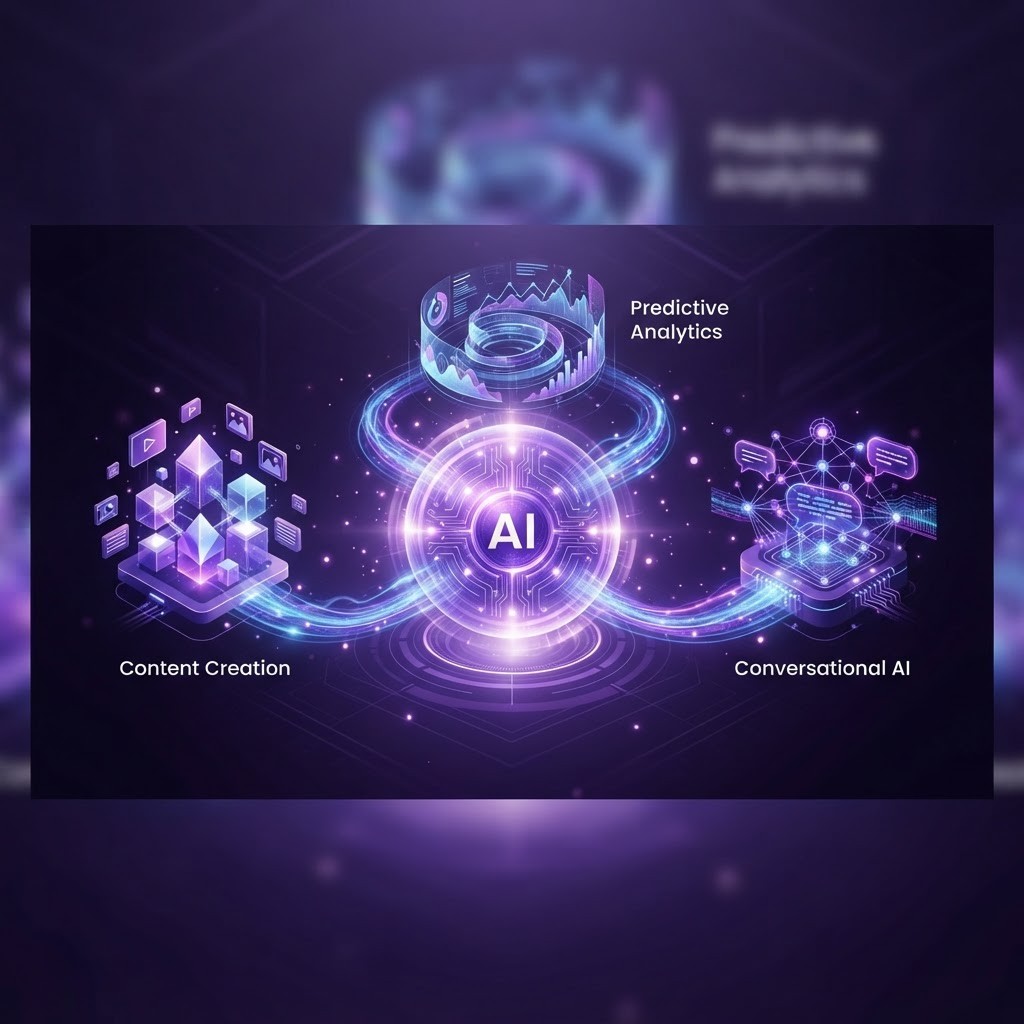
Ask ten marketers what the best AI for marketing is and you will get ten answers. That is because marketing spans many tasks, from content creation to ad optimization to analytics, and different AI tools excel at different jobs. The most useful way to answer the question is not to name one product but to understand the categories of AI, match them to your goals, and combine them into a system. The best AI for marketing is the one that solves your specific bottleneck and integrates with the rest of your work.
Defining What Best Means for Your Goals
Before choosing tools, define what you are trying to achieve. Do you need to produce more content, personalize campaigns, improve ad efficiency, or forecast demand? The best AI for a content-heavy blog differs from the best AI for a performance advertising team. Clarify your primary bottleneck first. This focus prevents you from buying impressive tools that do not address your actual constraint, which is the most common reason AI investments disappoint.
How AAMAX.CO Helps You Pick and Apply the Right AI
Choosing wisely is easier with an experienced partner. AAMAX.CO is a full service digital marketing company serving businesses worldwide, and they help brands select and apply the right AI across their marketing. Their team combines digital marketing execution with modern search engine optimization, ensuring the AI you adopt actually improves visibility, engagement, and conversions. Rather than pushing a single tool, they design a practical mix aligned to your goals, then help you operate it, which is what turns AI potential into real performance.
Generative AI for Content and Creative
Generative AI tools accelerate content and creative production. They draft blog posts, ad copy, social captions, and product descriptions, and they generate images and variations for testing. The value is speed and volume, but quality control is essential. The best results come from using generative AI as a first-draft engine while humans provide strategy, edit for accuracy and brand voice, and ensure originality. Used this way, these tools multiply output without sacrificing the human judgment that makes content resonate.
Predictive AI for Targeting and Optimization
Predictive AI analyzes data to forecast outcomes and optimize decisions. In advertising, it manages bids and targeting in real time. In lifecycle marketing, it predicts churn and identifies high-value customers. In analytics, it forecasts demand and attributes conversions. These tools shine when you have enough clean data to learn from. For performance-focused teams, predictive AI often delivers the clearest return because it directly improves efficiency and revenue.
Conversational AI for Engagement and Support
Conversational AI powers chatbots and assistants that engage visitors, answer questions, and qualify leads around the clock. Modern versions understand natural language well enough to handle nuanced conversations and hand off to humans when needed. For businesses with high inquiry volumes, conversational AI improves responsiveness and captures leads that might otherwise slip away. The key is to design flows that genuinely help rather than frustrate, keeping a human escape hatch available.
Combining Tools Into a System
The real advantage comes from integration. Generative AI feeds your content engine, predictive AI optimizes distribution, and conversational AI engages the audience that arrives. When these tools share data and connect to your analytics, you get a compounding effect: better content reaches better-targeted audiences and converts through smarter engagement. The best AI for marketing, then, is less a single product and more a well-designed system tuned to your goals.
Conclusion
There is no universal best AI for marketing, only the best fit for your objectives and workflow. Define your bottleneck, choose tools from the right categories, and integrate them into a cohesive system. With clear goals and an experienced partner to guide selection and execution, you can build an AI-powered marketing engine that consistently outperforms manual approaches.