
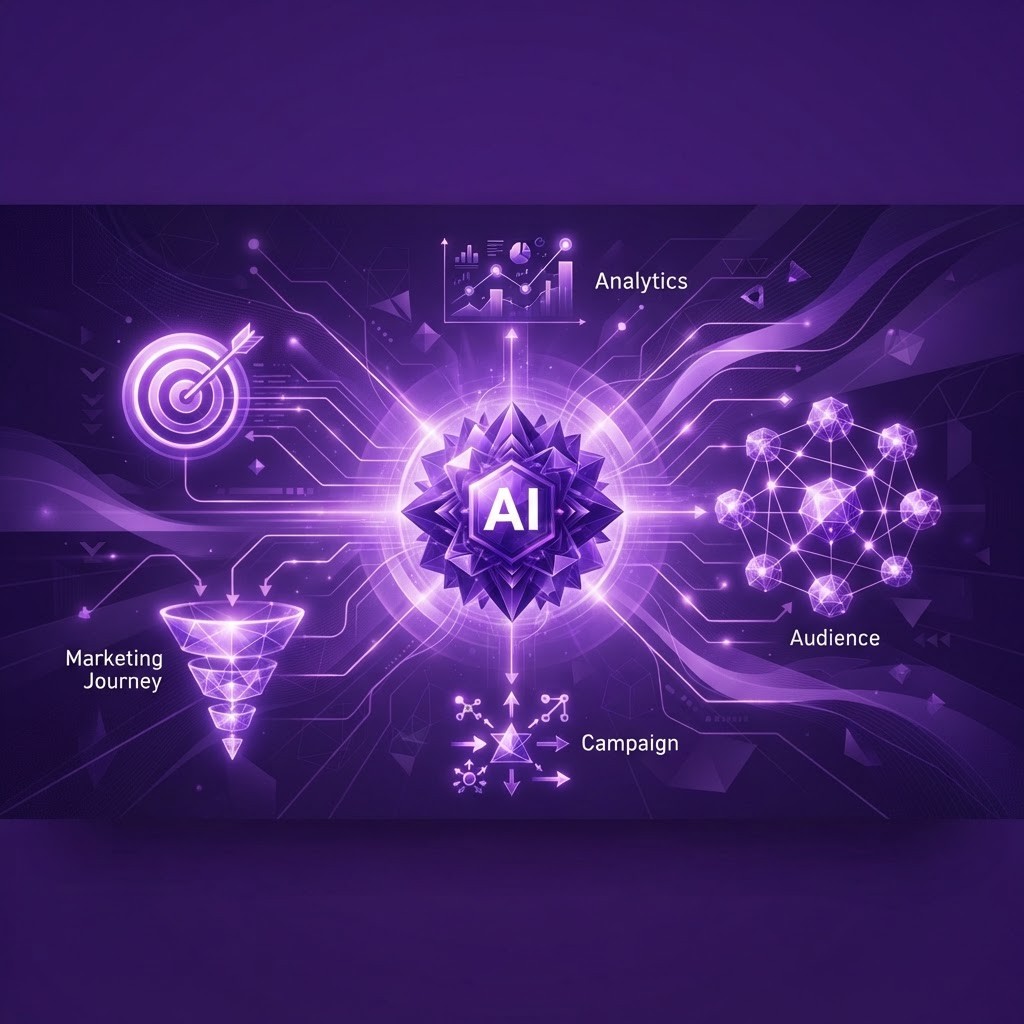
Marketing AI is the application of artificial intelligence, including machine learning, natural language processing, and predictive analytics, to marketing activities in order to understand audiences better, automate repetitive work, and improve results. It spans a broad range of capabilities, from analyzing customer data and predicting behavior to generating content and personalizing experiences. In essence, marketing AI helps brands make smarter decisions faster and deliver more relevant experiences to their customers.
How AAMAX.CO Puts Marketing AI to Work
Adopting marketing AI effectively requires both expertise and strategy, and AAMAX.CO is a full-service digital marketing company that helps businesses worldwide make it happen. Their team evaluates where AI can create the most impact, implements the right tools, and supports everything with strong website development so campaigns have a solid foundation to convert on. Because they focus on measurable outcomes, they help brands adopt marketing AI in ways that drive real growth rather than adding complexity.
The Core Components of Marketing AI
Marketing AI is not a single technology but a collection of capabilities working together. Machine learning finds patterns in data and makes predictions. Natural language processing understands and generates text, powering chatbots and content tools. Predictive analytics forecasts outcomes like conversions and churn. Computer vision analyzes images and video. Automation ties these together, executing tasks based on AI insights. Combined, they form a powerful toolkit for modern marketing.
What unites these components is data. Marketing AI depends on collecting, organizing, and learning from information about customers and campaigns. The richer and cleaner the data, the more accurate and valuable the AI's outputs become, which is why data strategy is inseparable from AI strategy.
What Marketing AI Can Do
Marketing AI touches every stage of the customer journey. It identifies and segments audiences, predicts which prospects are most likely to buy, personalizes content and offers, optimizes ad spend automatically, and measures performance in real time. It powers recommendation engines that increase average order value, chatbots that provide instant support, and analytics that reveal hidden opportunities. The breadth of its applications is one of its greatest strengths.
- Audience understanding: Segmenting customers and uncovering behavioral patterns.
- Predictive insights: Forecasting conversions, churn, and lifetime value.
- Personalization: Delivering tailored content and recommendations.
- Automation: Handling bidding, scheduling, reporting, and routine tasks.
Benefits of Adopting Marketing AI
The benefits are compelling. Marketing AI increases efficiency by automating tedious tasks, allowing teams to focus on strategy and creativity. It improves accuracy in targeting and forecasting, reducing wasted budget. It enables personalization at scale, boosting engagement and loyalty. And it transforms overwhelming amounts of data into clear insights that guide better decisions. Together, these advantages help brands do more with less and achieve stronger, more predictable results.
Marketing AI also levels the playing field. Tools that were once available only to large enterprises are now accessible to smaller businesses, allowing them to compete on sophistication and personalization. This democratization is expanding who can benefit from advanced marketing capabilities.
How to Adopt Marketing AI Successfully
Successful adoption begins with clear goals and a realistic assessment of your data and processes. Identify high-impact, low-risk use cases where AI can deliver quick wins, such as email optimization or audience segmentation. Choose tools that integrate with your existing systems, ensure your data is clean and well-structured, and start small before scaling. Measure results carefully to demonstrate value and guide further investment.
Human oversight and skill development are crucial. Marketing AI works best when it augments talented people rather than replacing them. Investing in training so your team understands how to use AI, interpret its outputs, and apply judgment ensures the technology delivers on its promise while keeping your marketing authentic and aligned with your brand.
Challenges and Considerations
Marketing AI comes with challenges that require attention. Data privacy regulations demand responsible handling of customer information. Poor data quality undermines results. Over-reliance on automation can erode the human touch. And AI models can reflect biases present in their training data. Addressing these through ethical practices, quality control, and thoughtful human involvement is essential for sustainable, trustworthy marketing.
The Future of Marketing AI
Marketing AI is advancing quickly and becoming a standard part of the marketing toolkit. Future systems will be more autonomous, more personalized, and more deeply integrated across channels, anticipating customer needs and orchestrating experiences seamlessly. Businesses that embrace marketing AI thoughtfully, grounded in clean data, clear goals, and strong ethics, will gain a durable competitive advantage. Marketing AI represents not just an upgrade to existing methods but a fundamental evolution in how brands connect with the people they serve.