
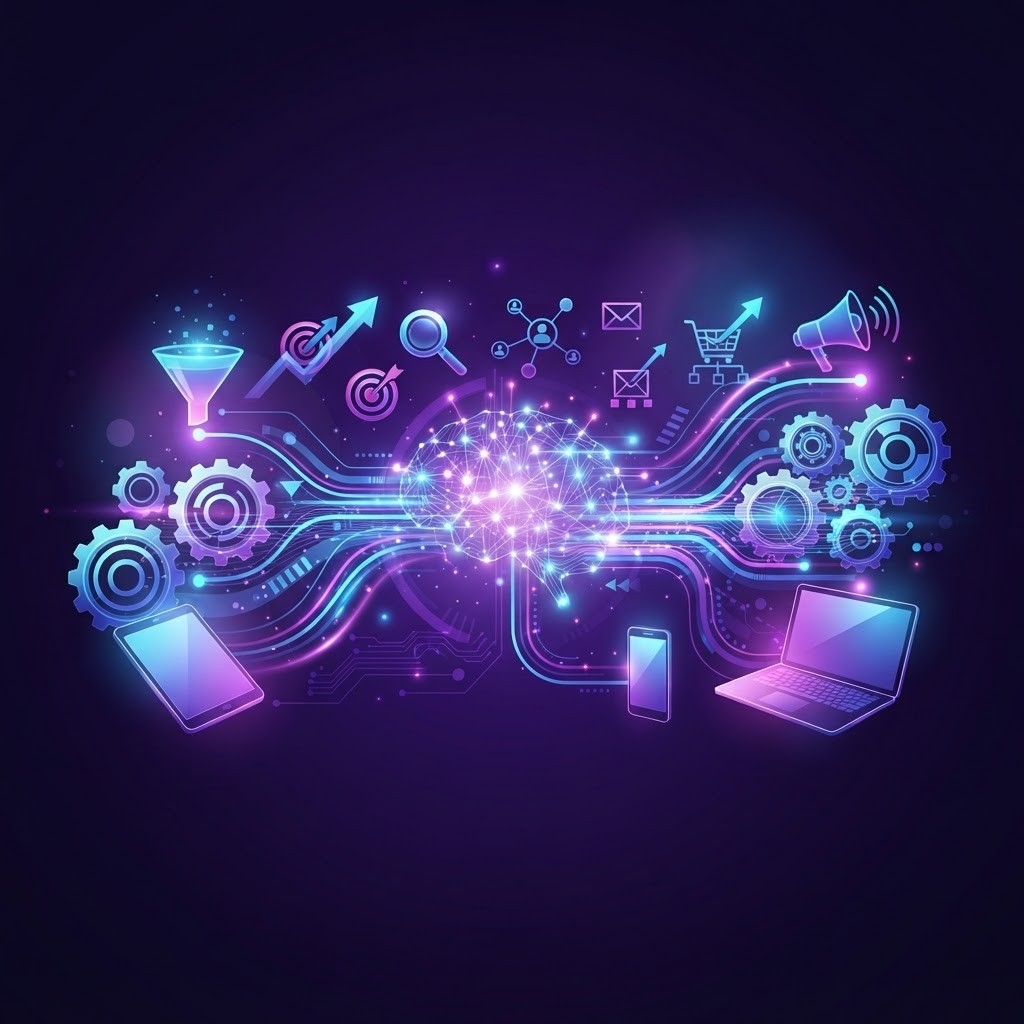
Artificial intelligence in digital marketing refers to the use of machine learning, automation, and data analysis technologies to improve marketing strategies and outcomes. Rather than relying solely on human intuition and manual processes, AI-powered marketing uses algorithms to analyze data, predict behavior, personalize experiences, and automate tasks. As digital channels generate massive amounts of data, AI has become essential for making sense of it all and delivering marketing that is more relevant, efficient, and effective than ever before.
How AAMAX.CO Brings AI-Powered Marketing to Life
Implementing AI in marketing requires both technical know-how and strategic vision, which is exactly what a specialized partner provides. AAMAX.CO is a full-service digital marketing company serving businesses worldwide, and they help brands harness artificial intelligence across their entire marketing ecosystem. Their comprehensive digital marketing services combine automation, analytics, and creative strategy to deliver measurable results. Whether a company wants to personalize customer journeys or optimize ad spend with intelligent tools, they offer the expertise needed to make AI work in practice. Businesses can discover their full capabilities at AAMAX.CO.
Understanding AI in the Marketing Context
At its core, AI in digital marketing means teaching computers to perform tasks that traditionally required human intelligence, such as recognizing patterns, making predictions, and understanding language. In marketing, this translates into systems that can analyze customer data, determine the best time to send an email, recommend products, or generate content. These capabilities allow marketers to operate at a scale and speed that would be impossible manually.
AI does not replace marketers; it empowers them. By handling data-heavy and repetitive tasks, AI frees human professionals to focus on creativity, strategy, and relationship-building. The result is a partnership where machines handle analysis and automation while humans provide vision and emotional intelligence.
Personalization at Scale
One of the most powerful applications of AI in digital marketing is personalization. Modern consumers expect experiences tailored to their preferences, and AI makes this possible at scale. By analyzing browsing behavior, purchase history, and engagement patterns, AI systems can deliver personalized product recommendations, customized email content, and targeted advertisements to each individual.
This level of personalization increases engagement and conversion rates. When customers receive content that feels relevant to their needs, they are more likely to respond positively. AI enables brands to treat millions of customers as individuals, something that would be impossible through manual segmentation alone.
Predictive Analytics
AI-driven predictive analytics helps marketers anticipate future behavior. By examining historical data, machine learning models can forecast which customers are likely to purchase, which may churn, and which products will be in demand. These predictions allow marketers to act proactively, targeting the right audiences with the right offers at the right time.
Predictive capabilities also improve budget allocation. Instead of spreading resources evenly, marketers can invest in the campaigns and audiences most likely to generate returns. This data-driven approach maximizes efficiency and improves return on investment.
Automation of Marketing Tasks
Automation is a cornerstone of AI in digital marketing. Routine tasks such as email scheduling, social media posting, ad bidding, and lead nurturing can be automated using intelligent systems. Marketing automation platforms use AI to optimize these processes, adjusting in real time based on performance data.
This automation not only saves time but also improves results. AI can continuously test and refine campaigns, identifying what works best and adjusting accordingly. Marketers benefit from campaigns that improve automatically without constant manual intervention.
Content Creation and Optimization
Generative AI has introduced new possibilities for content creation. AI tools can draft copy, generate images, suggest headlines, and optimize content for search engines. While human oversight remains important for quality and brand voice, these tools accelerate content production and help marketers scale their efforts.
AI also optimizes existing content by analyzing performance and recommending improvements. From identifying the best keywords to suggesting optimal publishing times, AI enhances content strategy with data-driven insights.
Chatbots and Customer Interaction
AI-powered chatbots and virtual assistants have transformed customer interaction. These tools provide instant responses to inquiries, guide users through purchases, and offer support around the clock. Advanced chatbots use natural language processing to understand and respond conversationally, creating smooth customer experiences.
By handling routine inquiries automatically, chatbots free human agents to address complex issues. They also capture valuable data about customer needs and preferences, feeding insights back into the broader marketing strategy.
Why AI Marketing Matters
The importance of AI in digital marketing continues to grow as competition intensifies and consumer expectations rise. Brands that leverage AI can deliver more relevant experiences, operate more efficiently, and make smarter decisions. Those that ignore it risk falling behind competitors who use data and automation to their advantage. AI has become not just a competitive edge but a fundamental component of effective modern marketing.
Conclusion
Artificial intelligence in digital marketing represents a powerful fusion of data, automation, and intelligence that transforms how brands connect with audiences. From personalization and prediction to automation and content creation, AI enables marketing that is more effective and efficient. As the technology matures, its role will only expand. Businesses that embrace AI-driven marketing, especially with expert guidance, position themselves for sustained success in a digital-first world.