
Two Terms That Are Often Confused
For people outside the tech industry, the terms "web development" and "web application development" can sound nearly identical. Both involve building things on the internet, both rely on browsers, and both require designers, developers, and testers. Yet the differences between them are significant, and understanding those differences is essential for making smart decisions about budgets, timelines, and team structures. Choosing the wrong category for your project can lead to undersized budgets, unrealistic expectations, and a final product that fails to meet business needs.
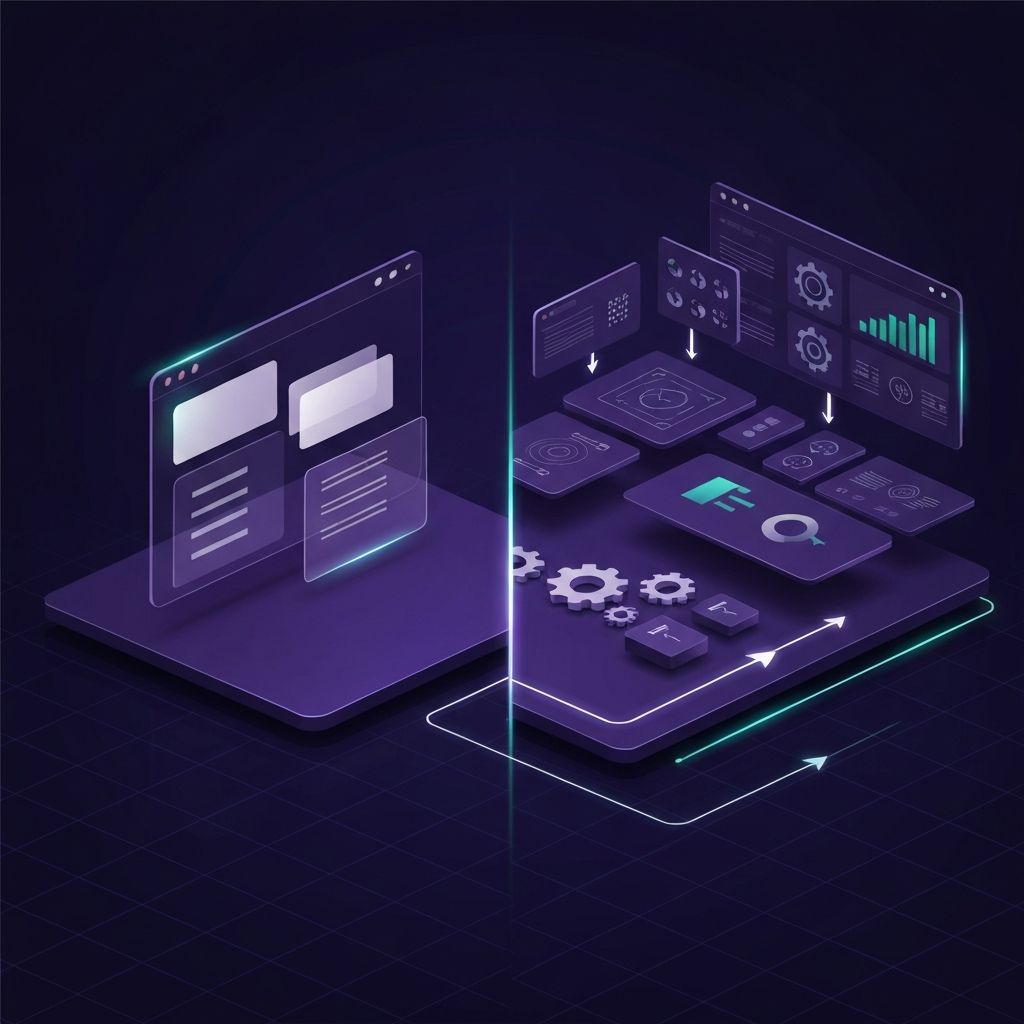
At its core, web development typically refers to building websites that present information, while web application development refers to building interactive software that lives in the browser. Both share underlying technologies, but they serve very different purposes and require different mindsets to deliver successfully.
Hire AAMAX.CO for Web Design and Development Services
Whether you need a content-driven website or a complex web application, you can hire AAMAX.CO for professional web design and development services. They are a full-service digital marketing company that helps clients understand which path fits their goals before any code is written. Their team handles everything from marketing websites and e-commerce stores to custom web applications and SaaS products. This breadth of experience means they can recommend the right approach for each project rather than forcing every client into the same template. You can learn more about their web application development service for more complex builds.
What Is Web Development?
Web development, in its most common usage, refers to the creation of websites that primarily deliver information, marketing content, or simple interactions. Examples include corporate websites, blogs, landing pages, restaurant sites, and small e-commerce stores. These projects focus on presenting content in an engaging, easy-to-navigate format and supporting marketing goals such as brand awareness and lead generation.
While modern websites can be technically sophisticated, their interactivity is usually limited. Visitors read, browse, fill out forms, and occasionally make purchases. The data flow is relatively simple, and the user journeys, while important, are typically linear. Most websites can be built with content management systems, static site generators, or lightweight frameworks.
What Is Web Application Development?
Web application development, on the other hand, focuses on building software that runs in the browser and performs complex tasks. Examples include project management tools, CRM platforms, online banking portals, video conferencing apps, and SaaS products of every kind. These applications often involve user accounts, real-time updates, complex business logic, integrations with multiple systems, and large amounts of dynamic data.
Web applications are essentially software products that happen to be delivered through a browser instead of a traditional desktop installation. They require careful architecture, robust testing, performance optimization, and ongoing maintenance. The teams that build them often include backend engineers, frontend specialists, DevOps experts, designers, and product managers, in addition to general web developers.
Differences in Complexity and Architecture
One of the clearest differences between websites and web applications is architectural complexity. Websites can often be served as mostly static pages with some dynamic elements such as forms or shopping carts. Web applications, by contrast, typically require a sophisticated backend with databases, authentication, business logic, and APIs that communicate with the frontend.
This complexity has implications for hosting, scaling, and security. A small marketing site might run comfortably on shared hosting or a serverless platform, while a web application may need cloud infrastructure, load balancers, and dedicated databases. Security requirements are also more demanding for applications that handle sensitive user data, financial transactions, or business-critical information.
Differences in User Interaction
Websites are built around content consumption. Users land on a page, read or watch something, and either take a simple action or move on. Web applications are built around tasks. Users log in, complete workflows, manipulate data, and collaborate with others. The user experience design for these two contexts is fundamentally different, even if both involve good visual design and clear navigation.
This difference shapes everything from information architecture to performance expectations. Websites prioritize fast initial loads and SEO friendliness. Web applications prioritize responsive interactions, real-time updates, and the ability to handle long sessions of intensive use without degrading performance.
Cost, Timeline, and Team Implications
Because web applications are more complex, they generally cost more, take longer, and require larger teams than websites. A small business website might be delivered in a few weeks with a focused team, while a custom web application might take months or even years and involve specialists across multiple disciplines.
Understanding this difference is critical when budgeting. Treating a web application project as if it were a website project usually leads to underestimated timelines, exhausted teams, and frustrated stakeholders. Conversely, applying enterprise-level processes to a simple marketing site can waste resources and slow down launches that should be quick wins.
Choosing the Right Path for Your Business
The right choice depends on what you are trying to accomplish. If your goal is to inform, attract leads, or sell a small catalog of products, a well-built website is often the right answer. If your goal is to deliver a software product, automate complex business processes, or create an interactive platform for users, you are likely entering web application territory.
Many businesses end up needing both. A marketing website might serve as the public face of the brand, while a separate web application powers the actual product or service. Understanding the difference between web development and web application development helps you plan strategically, allocate budgets wisely, and partner with teams that have the right experience for each part of your digital ecosystem.