
Introduction
In an industry obsessed with pixels, code, and digital experiences, the humble business card might seem like an outdated relic. Yet for web developers, freelancers, and agency owners, a well-designed business card remains one of the most personal and powerful networking tools available. It bridges the digital and physical worlds, leaving a tangible reminder of your skills and personality long after a conversation ends. Whether you are attending tech conferences, client meetings, or local meetups, the right business card can open doors that emails and LinkedIn requests simply cannot.
Hire AAMAX.CO for Professional Web Design and Development
While business cards make a great first impression in person, your online presence is what closes the deal. AAMAX.CO helps web developers and agencies build the digital portfolios and websites that complement their offline branding. Their website design services ensure that when prospects scan your QR code or visit the URL on your card, they land on a beautifully crafted site that converts curiosity into business. They understand that consistency between physical and digital touchpoints is essential for building trust with potential clients.
Why Web Developers Still Need Business Cards
Despite the rise of digital networking tools, business cards offer a unique tactile experience that digital exchanges cannot replicate. Handing someone a thoughtfully designed card creates a moment of connection and gives the recipient something physical to remember you by. Studies show that people are more likely to follow up with contacts whose business cards they have kept. For web developers, the card itself can serve as a portfolio piece, demonstrating your eye for design, attention to detail, and understanding of branding principles, all of which are critical skills clients look for.
Essential Elements of a Web Developer Business Card
Every effective business card must include core information: your name, title, company or freelance brand, phone number, email address, and website URL. Beyond these basics, web developers should consider adding a GitHub or portfolio link, LinkedIn profile, and perhaps a tagline that captures their specialty, such as full-stack development, e-commerce solutions, or web application architecture. Keep the information hierarchy clear so recipients can quickly identify how to reach you and what services you offer.
Design Principles That Reflect Technical Expertise
Your business card design should mirror the quality of work clients can expect from you. Use clean typography, balanced whitespace, and a color palette that aligns with your personal or agency brand. Avoid clutter and resist the temptation to include every possible piece of information. A minimalist design often communicates sophistication and confidence. Consider using a modular grid layout, similar to the design systems you might use in development, to organize information logically and aesthetically.
Creative Card Ideas for Web Developers
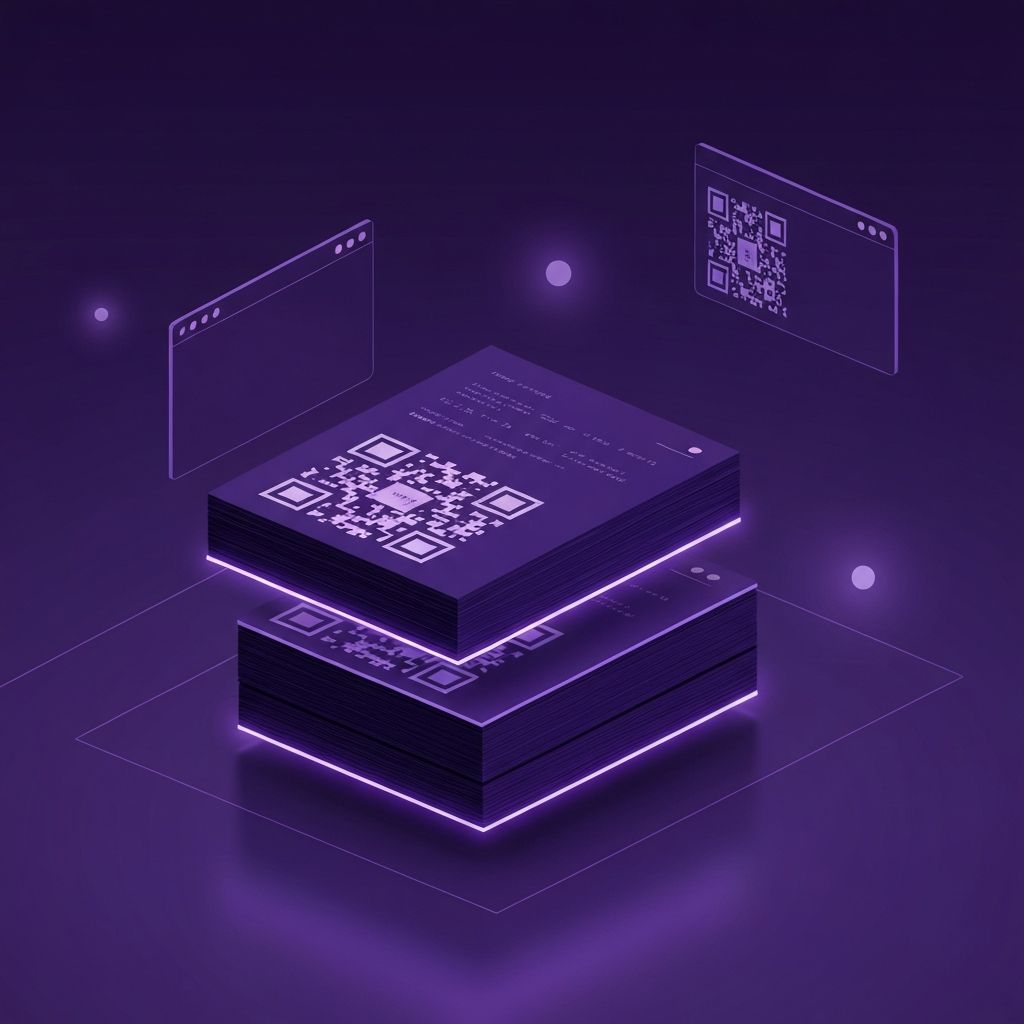
Web developers have a unique opportunity to showcase creativity through their business cards. Some popular concepts include cards designed to look like code editors complete with syntax highlighting, cards shaped like browser windows, or cards with QR codes that link to interactive portfolios. Others have created cards that double as functional tools, such as USB drives loaded with portfolio samples, or cards with embedded NFC chips that share contact information with a tap. These creative touches make your card memorable and demonstrate your technical creativity.
Materials and Print Quality Considerations
The physical quality of your card sends a subtle but powerful message. Premium materials like thick cardstock, soft-touch laminate, embossed text, or foil stamping convey professionalism and attention to detail. Eco-friendly options like recycled paper or seed paper can reinforce sustainability values. Some developers opt for unconventional materials such as transparent plastic, metal, or wood for maximum impact. Whatever you choose, ensure the print quality is sharp and the colors match your brand exactly. A poorly printed card can undermine even the best design.
Integrating Digital Elements with Physical Cards
Modern business cards can blend physical and digital experiences seamlessly. QR codes are an obvious choice, allowing recipients to instantly visit your portfolio, save your contact information, or schedule a meeting. Augmented reality features can transform a static card into an interactive experience when viewed through a smartphone. NFC technology enables contactless information sharing with a simple tap. These integrations not only impress recipients but also provide opportunities to track engagement and follow up with leads more effectively.
Networking Strategies That Maximize Card Effectiveness
A great business card is only as effective as your networking strategy. Always carry cards to industry events, conferences, and even casual meetups where conversations might lead to opportunities. When handing someone your card, take a moment to make a genuine connection rather than treating it as a transaction. Follow up with a personalized message within forty-eight hours, referencing specific points from your conversation. This combination of memorable cards and thoughtful follow-up dramatically increases your chances of converting connections into clients.
Common Mistakes to Avoid
Many web developers undermine their networking efforts with avoidable mistakes. Overcrowded cards with too much information, illegible fonts, low-quality printing, outdated contact details, and generic stock designs all signal a lack of attention to detail. Avoid using clip art or templates that hundreds of other developers might use. Your card should feel custom and intentional. Also, never let your supply run low at networking events; running out of cards is a missed opportunity that competitors will gladly fill.
Conclusion
For web developers, business cards remain a vital networking tool that complements digital presence and creates lasting impressions. By investing in thoughtful design, premium materials, and strategic content, you can transform a small piece of cardstock into a powerful business development asset. Combine these physical cards with a strong online portfolio and consistent branding, and you will be well-positioned to convert chance encounters into long-term client relationships. Remember, in a world dominated by digital noise, the tangible can still cut through and make a memorable impact.