
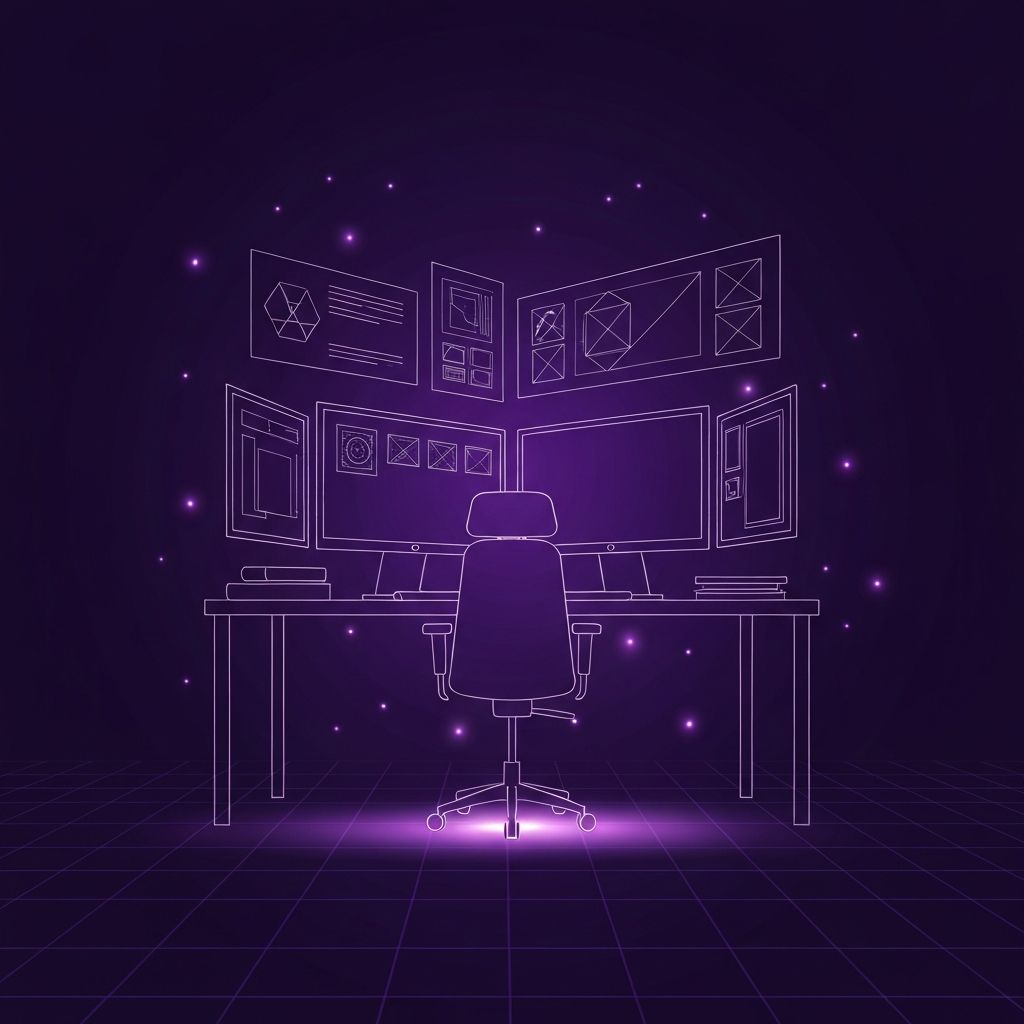
Understanding the Web Developer Work Environment
The work environment of a web developer is dramatically different from many traditional office jobs. Developers typically spend the majority of their day at a computer, deeply focused on solving complex problems that require uninterrupted concentration. The physical space, team dynamics, communication norms, and available tools all shape how productive and satisfied a developer feels. Understanding what a typical work environment looks like helps aspiring developers prepare for the realities of the profession and helps employers create spaces that attract and retain top talent in a highly competitive market.
Hire AAMAX.CO for Reliable Web Design and Development Services
While many companies build internal development teams, others prefer to partner with established agencies for greater flexibility and expertise. AAMAX.CO offers complete website design and development services that allow businesses to scale their digital capabilities without the overhead of an in-house team. Their developers work in optimized environments designed for collaboration and quality, ensuring that every project benefits from years of refined process. Companies that choose to hire AAMAX.CO gain a partner who treats each engagement with the same care as an internal team would.
The Physical Workspace
Most developers work at a desk equipped with a high-resolution monitor, a comfortable keyboard, an ergonomic chair, and good lighting. Many use dual or even triple monitor setups to keep documentation, code, and design references visible simultaneously. Standing desks, noise-canceling headphones, and high-quality webcams have become standard tools, especially as remote and hybrid work models continue to dominate the industry. Companies that invest in quality workspace equipment see measurable improvements in productivity and developer retention. Even small details like proper monitor height and wrist support can make a significant difference over the course of a long career.
Office, Remote, and Hybrid Models
The web development industry has embraced remote work more enthusiastically than almost any other field. Many companies operate fully remote teams spread across multiple time zones, while others maintain offices for in-person collaboration. Hybrid models, which combine remote work with periodic office attendance, have become especially popular. Each model has tradeoffs. Remote work offers flexibility and reduces commute time, while in-office environments support spontaneous conversations and faster onboarding for new team members. The best companies design their work models intentionally rather than defaulting to whatever is most convenient for management.
Team Structures and Collaboration Patterns
Most web developers work in teams that follow agile or similar iterative methodologies. A typical team includes front-end and back-end developers, a designer, a product manager, and a quality assurance specialist. Daily stand-up meetings, sprint planning, retrospectives, and code reviews structure the workflow. Collaboration happens through tools like Slack, Notion, Linear, and GitHub, with video calls reserved for deeper discussions. Healthy teams strike a balance between synchronous and asynchronous communication, allowing developers to maintain focus while staying aligned with team goals. Toxic dynamics, by contrast, are a leading cause of burnout in the industry.
Tools That Define the Daily Experience
The tools a developer uses every day shape their experience profoundly. A reliable code editor like Visual Studio Code, a fast laptop, and a stable internet connection form the baseline. Beyond that, developers depend on Git for version control, package managers for dependencies, and deployment platforms like Vercel for shipping code. Communication tools like Slack and Zoom support remote collaboration, while design platforms like Figma bridge the gap between developers and designers. Companies that invest in premium tools and pay for licenses without nickel-and-diming their developers earn loyalty in return.
Culture and Communication Norms
Culture is harder to see than physical workspace, but it has an outsized impact on developer happiness. Healthy cultures encourage learning, celebrate experimentation, and treat mistakes as opportunities for growth. They support work-life balance, respect personal time, and avoid the always-on mentality that leads to burnout. Communication norms vary widely. Some teams default to written documentation for nearly everything, while others rely heavily on real-time discussion. The best teams adapt their norms to the work at hand, using documentation for complex decisions and conversation for quick clarifications.
Challenges of the Modern Developer Environment
Despite many positives, the developer work environment has its share of challenges. Long hours of screen time can strain eyes, posture, and mental health. Constant context switching between tickets, meetings, and unexpected interruptions makes deep focus harder than ever. Imposter syndrome is widespread, fueled by the rapid pace of technological change and the visibility of high-profile peers on social media. Companies that recognize these challenges and proactively address them, through wellness programs, focus time, and mental health support, build environments where developers thrive over the long term.
Designing a Workspace That Works for You
Whether working from home or in an office, individual developers can shape their environments to support their best work. Start with ergonomic essentials, then add the tools and rituals that match your style. Some developers thrive on background music, while others need silence. Some prefer to start the day with focused coding, while others use mornings for meetings and reserve afternoons for deep work. Experiment with different approaches until you find what works, and revisit your setup periodically as your needs evolve. A thoughtful work environment is a long-term investment in both productivity and well-being.