
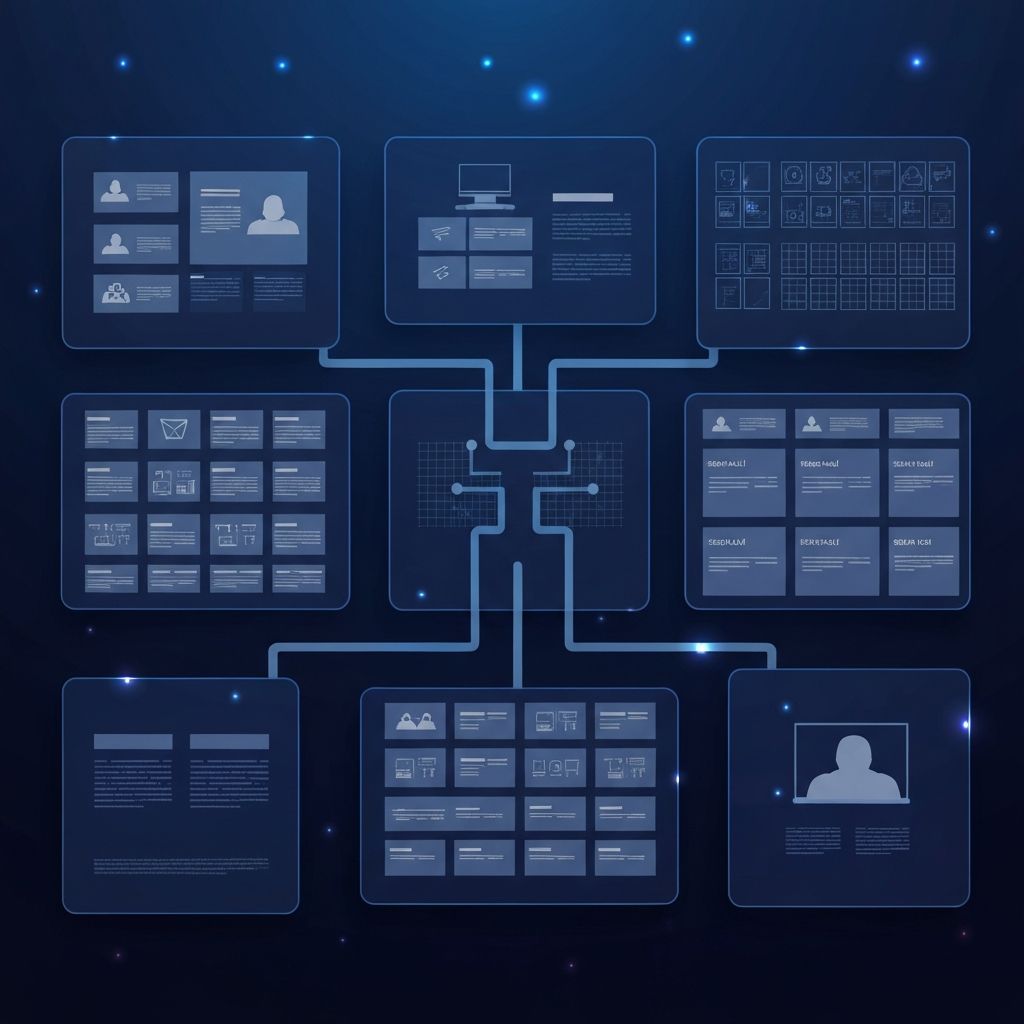
Not all web designers do the same thing. The phrase "web designer" covers a wide range of roles, each with its own focus, skill set, and ideal type of project. Some designers obsess over visual storytelling, others over usability, and still others over conversion or technical performance. Understanding these different types of web designers helps businesses hire the right professional for the right job, avoid misaligned expectations, and ultimately build websites that achieve their intended goals.
Why AAMAX.CO Brings Multiple Designer Types Under One Roof
For businesses that need more than one type of expertise, working with a full-service partner like AAMAX.CO can be a game changer. They are a digital marketing company offering web design, web development, and SEO services worldwide, with specialists across visual design, UX, e-commerce, and custom application development. Their integrated approach means that businesses do not have to coordinate multiple freelancers; instead, they get a unified team that combines different design disciplines into one cohesive project.
Visual or Graphic Web Designers
Visual web designers focus primarily on aesthetics. They craft color palettes, typography systems, illustrations, icons, and overall layout style. Their work shapes how a website feels at first glance and how strongly it expresses a brand's personality. Visual designers are ideal for projects where branding is a top priority — such as portfolios, agencies, fashion brands, and creative studios — where standing out visually is just as important as conveying information.
UI Designers
User interface (UI) designers specialize in the look and feel of interactive elements. They design buttons, forms, menus, cards, modals, and other components that users click, tap, and scroll. UI designers think in terms of states (default, hover, active, disabled) and pay close attention to spacing, alignment, and consistency. Their work makes interfaces feel polished, predictable, and pleasant to use across devices and screen sizes.
UX Designers
User experience (UX) designers focus on the overall journey rather than individual screens. They research user needs, define information architecture, map user flows, and validate ideas through testing. While UI designers ask "How should this button look?", UX designers ask "Should this button exist at all, and what should happen when users press it?". For complex products, dashboards, or apps, UX designers are essential to ensuring that the experience is intuitive and goal-oriented.
Front-End Designer-Developers
Some web designers also code. Often called front-end designers or design engineers, they bridge the gap between design and development by writing HTML, CSS, and JavaScript directly. They translate static mockups into responsive, accessible, and performant interfaces. This hybrid skill set is particularly valuable for fast-moving teams and startups, where one person can take an idea from sketch to live site without relying on a separate development team.
E-Commerce Web Designers
E-commerce designers specialize in online stores. They understand product discovery, category structures, filtering, trust signals, and checkout flows. Their goal is not just a beautiful store, but a profitable one. They design product pages that highlight key benefits, cart experiences that reduce abandonment, and post-purchase pages that encourage repeat business. For brands selling physical or digital goods, an e-commerce designer is often the most direct path to higher revenue.
WordPress and CMS Designers
Many websites run on content management systems, and some designers specialize in working within these platforms. They are experts in theme structures, page builders, plugins, and custom blocks. Their strength is delivering custom website design within the constraints and capabilities of a specific CMS. This specialization is ideal for businesses that want a flexible, easy-to-update site without sacrificing visual quality.
Web Application Designers
For products that go beyond marketing sites, web application designers focus on complex, data-driven interfaces. They design dashboards, SaaS platforms, customer portals, and admin panels. Their work emphasizes information density, state management, and clear user flows. They typically collaborate closely with engineers on web application development, ensuring that the design accounts for technical constraints, scalability, and long-term maintainability.
Conversion-Focused and Landing Page Designers
Some designers focus almost exclusively on conversion. They specialize in landing pages, sales funnels, and campaign-specific microsites. Their craft combines persuasive copywriting, visual hierarchy, and behavioral psychology to maximize signups, purchases, or leads. They use heatmaps, A/B testing, and analytics to refine designs continually. For businesses running paid ads or product launches, hiring a conversion-focused designer can dramatically increase return on investment.
Generalist vs Specialist Designers
Smaller businesses often benefit from generalist web designers who can handle a bit of everything — visuals, UX, simple development, and basic SEO. Larger projects, on the other hand, usually call for specialists working together in a team. Neither approach is inherently better; the right choice depends on project complexity, timeline, and budget. Understanding the distinction helps businesses set realistic expectations and assemble the right talent for the job.
Choosing the Right Type for Your Project
The best way to choose a web designer is to start with clear goals. A brand-focused portfolio site, a high-traffic e-commerce store, and a custom SaaS dashboard each call for very different skill sets. Once the goals are clear, businesses can match them to the appropriate designer type, or to an agency that offers a coordinated team. With the right type of web designer in place, projects move faster, communication becomes easier, and the final result is far more likely to deliver real, measurable value.