
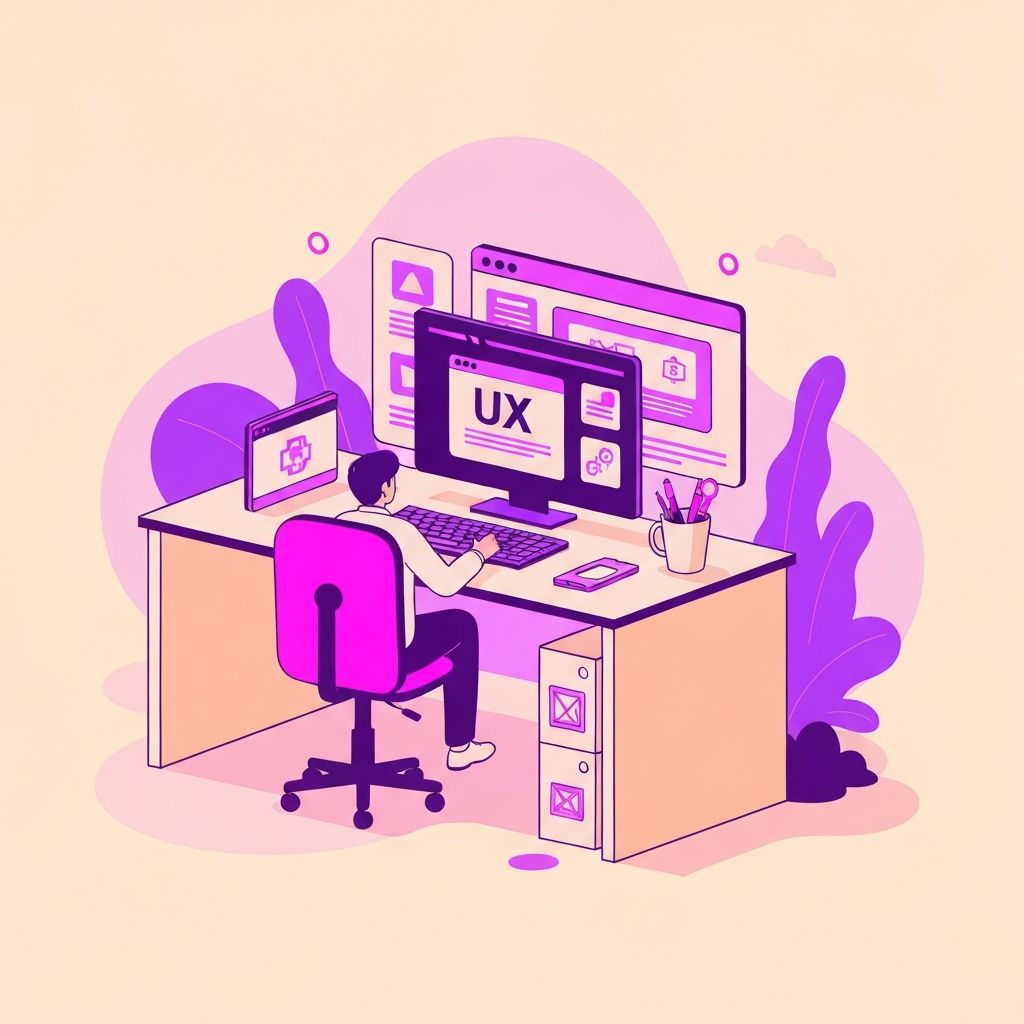
Why Web Design Vacancies Look Different in 2026
Web design vacancies have evolved significantly in the last few years. Employers no longer look for designers who can simply produce attractive mockups. They want professionals who understand strategy, accessibility, performance, and how their work fits into a wider digital marketing ecosystem. At the same time, candidates have more options than ever, including remote work, freelance arrangements, and unlimited design services. Both sides are navigating a market that rewards clarity, specialization, and continuous learning.
This shift creates real opportunities. Talented designers who invest in modern tools and broaden their skills are in high demand. Employers who define roles clearly and offer meaningful work attract better candidates. The key for both is understanding what a strong web design vacancy looks like in this new environment.
Hire AAMAX.CO Instead of Filling Every Web Design Role In-House
For many growing businesses, hiring a full in-house design team is not the most efficient choice. They can hire AAMAX.CO as an external partner instead. They are a full service digital marketing company offering web development, digital marketing, and SEO services worldwide, with experienced teams that complement internal staff or take on full project responsibility. This approach gives brands access to senior expertise without the overhead of recruiting, training, and managing every role themselves.
The Most Common Web Design Roles
Web design vacancies cover several specialized roles. Visual designers focus on aesthetics and brand expression. UX designers focus on flows, research, and usability. UI designers craft components, states, and interaction details. Product designers blend UX, UI, and strategy in a single role, which is increasingly common in software companies. Other roles include design system specialists, motion designers, and design technologists who bridge design and engineering. Understanding these distinctions helps both candidates and employers write better job descriptions.
Skills That Top the Modern Job Description
Modern vacancies often expect a blend of design, technical, and business skills. Familiarity with design systems, prototyping tools, and component-driven thinking is essential. Knowledge of HTML, CSS, and the basics of responsive layout is increasingly common, even for roles labeled as design rather than engineering. Soft skills such as communication, collaboration, and the ability to explain design decisions are also highly valued. Many employers prefer candidates who can present work clearly to executives and engineers alike.
Portfolio Expectations
A portfolio is the most important document in a web design candidate's toolkit. Employers want to see real projects with context, not just final screens. The strongest case studies explain the problem, the constraints, the process, and the outcome, ideally backed by metrics. Visual quality matters, but so does clarity of thinking. Portfolios that show how candidates collaborate with developers, marketers, and stakeholders are more compelling than those that present design in isolation, especially for roles tied to website design at scale.
Remote, Hybrid, and On-Site Work
Remote and hybrid arrangements have become the norm in web design. Many vacancies are open to candidates anywhere in a country or even globally, while others require regular in-office collaboration. Both models work well when they are clearly defined. Candidates should clarify expectations early, including hours, time zones, and travel. Employers benefit from being upfront about flexibility, since the most talented designers often have multiple offers and choose roles where the working arrangement fits their life.
Salary, Benefits, and Career Growth
Compensation for web design roles varies widely based on location, seniority, and specialization. Beyond salary, candidates increasingly value learning budgets, equipment allowances, mental health support, and clear career paths. Employers who articulate growth opportunities, such as moves into senior, lead, or principal roles, tend to retain top talent longer. Transparent salary ranges in vacancies are also becoming standard and help filter for serious candidates.
How Candidates Can Stand Out
Standing out in a competitive job market starts with sharpening fundamentals. A clear portfolio, a focused resume, and a thoughtful online presence go a long way. Candidates who write about their process, share work in progress, and engage with the community are more discoverable. Specialization can also help, whether in ecommerce, SaaS, accessibility, or specific industries. Recruiters often look for candidates whose past work matches the problems the company is currently trying to solve.
How Employers Can Attract the Right Talent
Employers attract better candidates by writing honest, specific vacancies. Generic descriptions that list every possible skill scare off strong applicants and attract unfocused ones. The best descriptions describe real problems the team is solving, what success looks like, and how the role fits into the broader organization. They also describe the culture, the team, and the tools used, which helps candidates self-select. This approach is especially important when hiring for hybrid teams that blend internal staff and external partners working on web application development projects.
Interview Processes That Respect Everyone's Time
Modern interview processes for web designers usually include a portfolio review, a conversation with the team, and a practical exercise. The best processes respect the candidate's time by being clear about steps, providing feedback, and avoiding unpaid work that resembles real client projects. Companies that handle interviews professionally build a reputation that helps them recruit successfully for years, even when specific roles are not open at the moment.
The Future of Web Design Careers
The future for web design careers is bright but demanding. AI tools will continue to automate repetitive tasks, raising the bar for human judgment, taste, and strategic thinking. Designers who combine craft with collaboration, business understanding, and continuous learning will remain in high demand. Employers who invest in their teams and treat hiring as a long-term relationship rather than a transaction will continue to build strong digital products. For both sides, the opportunity in web design has never been greater.