
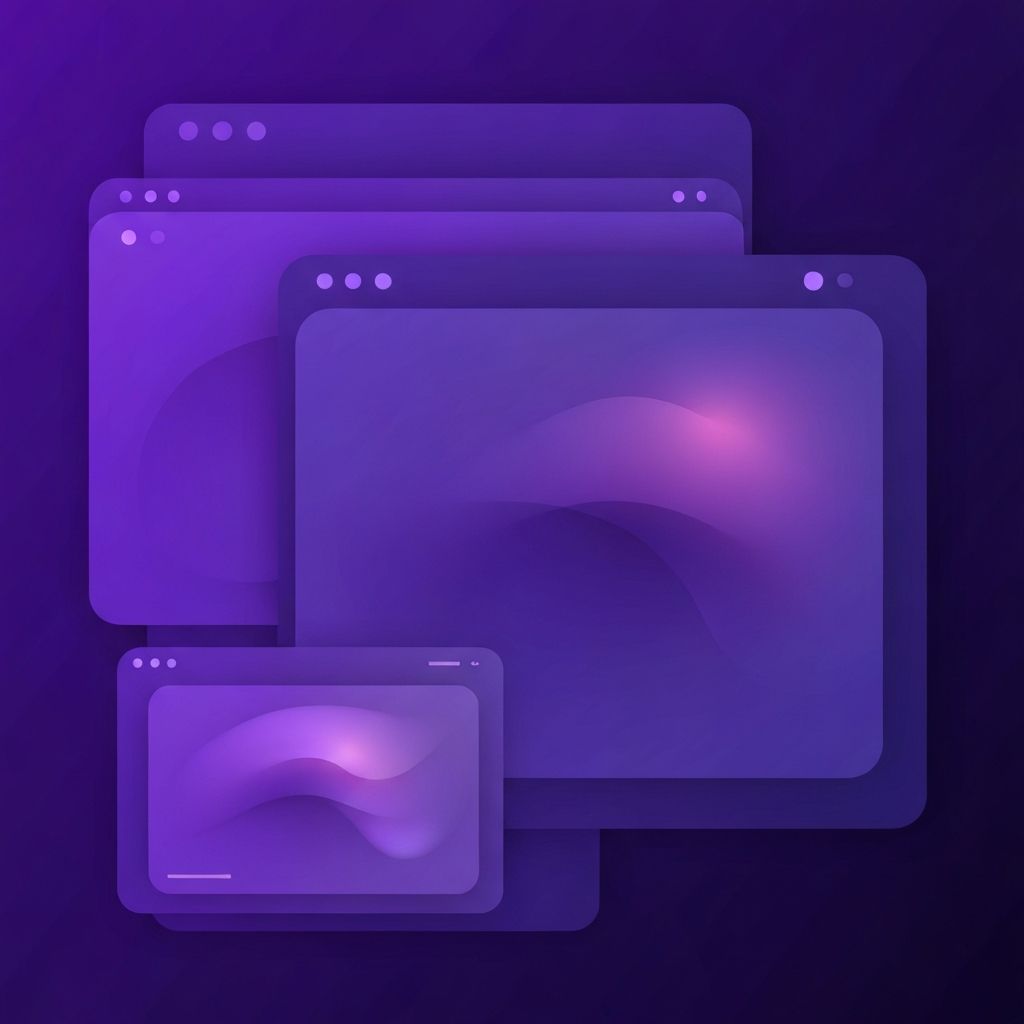
The Modern Comeback of Web Design Gradients
Gradients have come a long way since the glossy buttons of the early web. Once dismissed as outdated, they have returned to the spotlight as one of the most expressive tools in modern web design. From subtle background washes to bold hero illustrations, gradients now help brands stand out, express personality, and add depth without relying on heavy imagery.
Today's gradients are more refined, more intentional, and more tied to brand identity than ever before. When used correctly, they elevate a website from flat and forgettable to dynamic and memorable, all while maintaining excellent performance and accessibility.
Master Gradient Design With AAMAX.CO
Brands looking to use gradients strategically rather than decoratively can rely on AAMAX.CO, a full-service agency that blends visual design with technical excellence. Their team understands how gradients influence perception, hierarchy, and emotion in modern web interfaces. Through their website development services, they implement gradients with optimized CSS, accessibility-friendly contrast, and pixel-perfect responsive behavior across every device.
Why Gradients Work So Well in Modern Design
Gradients add three things flat color cannot: depth, motion, and emotion. A subtle gradient can guide the eye across a page, hint at light and shadow, and make digital surfaces feel more tactile. Bold gradients can express energy, creativity, optimism, or sophistication, depending on the colors and angles chosen.
They are also incredibly lightweight. A gradient rendered in CSS uses almost no bandwidth compared to background images, which means designers can add visual richness without slowing down the site. This combination of beauty and performance is one of the biggest reasons gradients have returned to mainstream design.
Types of Gradients Used in Web Design
Modern web design uses several gradient styles, each with its own purpose. Linear gradients flow in a single direction and are often used for hero backgrounds, buttons, and section dividers. Radial gradients emanate from a central point and are great for spotlight effects, glowing accents, and focal imagery. Conic gradients rotate around a center and are useful for charts, decorative shapes, and creative illustrations.
Mesh gradients, made popular by tools like Figma and modern design systems, blend multiple colors in organic, painterly ways. They feel artistic and unique, which is why brands aiming for a premium, distinctive look often gravitate toward them.
Choosing Colors That Work Together
The success of a gradient depends almost entirely on its color choices. Harmonious gradients use colors close to each other on the color wheel, creating a smooth, peaceful transition. Complementary gradients combine opposing hues for energetic, attention-grabbing effects. Brand-driven gradients pull from the existing brand palette to ensure consistency across all marketing materials.
Designers should avoid muddy transitions where two colors meet in unflattering middle tones. Adjusting saturation, brightness, and using intermediate stops can keep gradients clean and visually pleasing across the full transition.
Using Gradients for Hierarchy and Focus
Beyond decoration, gradients are powerful tools for guiding attention. A gradient that darkens toward a call-to-action button naturally pulls the eye to it. A glowing radial gradient behind a hero headline makes the message feel like the center of the page. Subtle vertical gradients on cards and sections add depth and create a sense of layering without heavy borders.
By controlling where light appears strongest, designers can craft a visual hierarchy that feels effortless rather than imposed. This subtlety is one of the marks of a professional gradient implementation.
Accessibility and Contrast Considerations
Gradients can complicate accessibility if not handled carefully. Text placed on a gradient must maintain sufficient contrast across the entire surface, not just the parts where contrast happens to be acceptable. Designers should test text legibility against the lightest and darkest portions of the gradient and consider adding semi-transparent overlays when needed.
Color blindness is another important factor. Choosing gradients that remain distinguishable for users with color vision deficiencies ensures the design is inclusive. Tools that simulate various forms of color blindness help validate gradient choices before launch.
Performance and Implementation Tips
CSS gradients are extremely performant, but they should still be implemented thoughtfully. Reusing gradient variables, leveraging custom properties, and applying gradients through utility classes keep the codebase clean and consistent. Animated gradients should use modern CSS techniques like background-position transitions to remain smooth without taxing the GPU.
For complex mesh gradients, exporting an optimized SVG or WebP image can be more efficient than rendering them in code. The choice depends on the level of fidelity required and how the gradient interacts with surrounding elements.
Trends Shaping Gradients Right Now
Several trends define modern gradient usage. Soft pastel gradients dominate wellness and lifestyle brands, while bold neon and retrowave gradients power tech, gaming, and creative industries. Glassmorphism pairs blurred backgrounds with subtle gradients to create premium, layered interfaces. Aurora-style gradients evoke sky and atmosphere, becoming popular for SaaS and AI products.
Designers are also pairing gradients with grain textures and noise overlays, giving them an analog, almost tactile feel. This trend bridges the gap between digital perfection and human warmth, which resonates strongly with modern audiences.
Conclusion
Web design gradients have evolved from outdated effects into one of the most expressive tools available to modern designers. When used with strategy, restraint, and accessibility in mind, they add depth, personality, and visual energy to any interface. With the right approach, gradients can transform an ordinary website into a memorable digital experience that customers genuinely enjoy spending time on.