
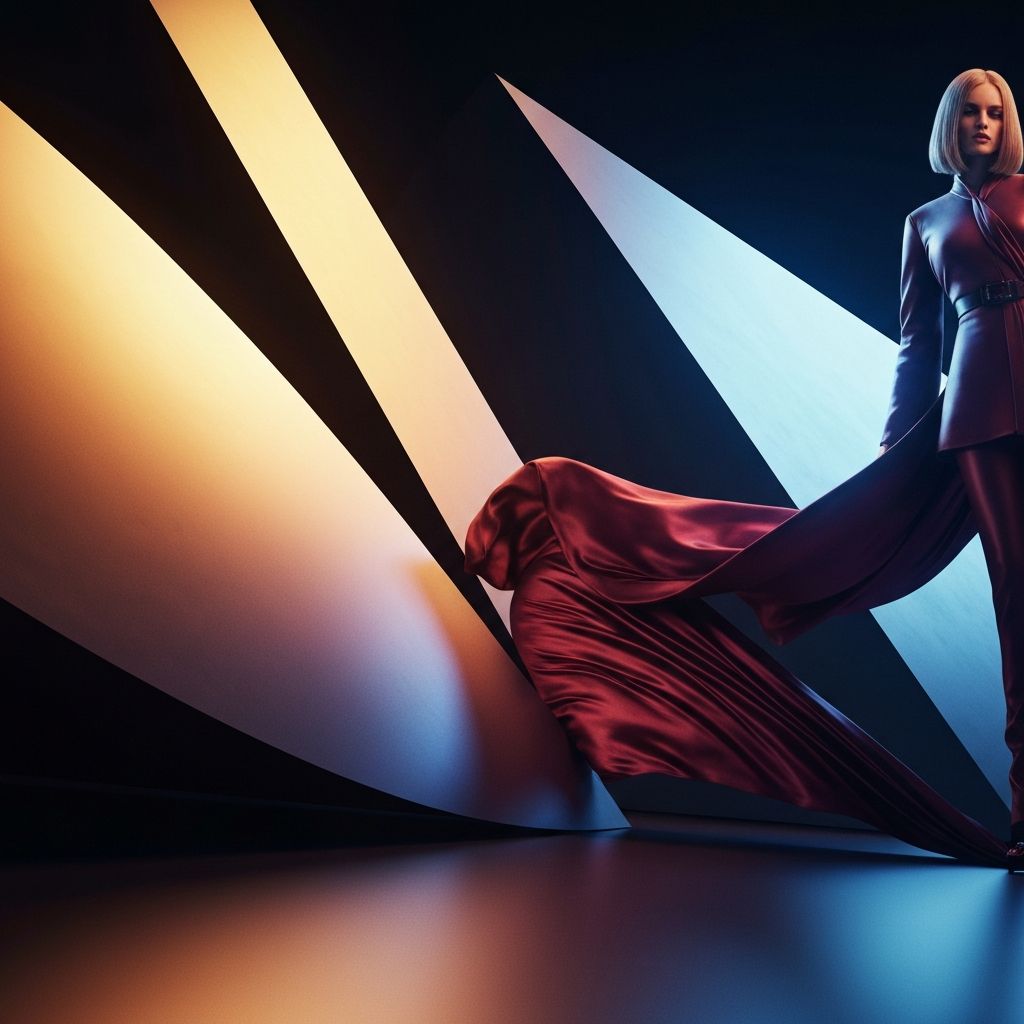
Why Web Design Matters in Fashion
In fashion, perception is everything. A visitor decides within seconds whether a brand feels luxurious, approachable, edgy, or timeless, and your website is often the first place that judgment forms. Web design for fashion is a special discipline where art direction, e-commerce mechanics, and storytelling collide. Get it right and you create an experience that feels like flipping through a glossy magazine while quietly guiding shoppers toward a purchase. Get it wrong and your collection looks like a generic catalog, no matter how beautiful the clothes are in real life.
Hire AAMAX.CO for Fashion-Forward Web Design
If you run a fashion label, boutique, or marketplace, you can hire AAMAX.CO to translate your aesthetic into a high-converting digital flagship. They are a full-service digital marketing company offering web development, digital marketing, and SEO services worldwide, with deep experience crafting website design for fashion clients who refuse to look like everyone else. Their team blends editorial layouts with conversion-focused mechanics so your site looks like a magazine and performs like a top-tier store.
The Foundations of Fashion Web Design
Three pillars define fashion-forward design: photography, typography, and pace. Photography sells the lifestyle. Typography sets the tone, whether modern, classic, or rebellious. Pace controls how the user moves through the site, with deliberate moments of stillness and surprise. When these three work in harmony, the website becomes an extension of the brand identity rather than a digital catalog.
Photography That Sells Without Words
The best fashion sites treat photography as the headline. Hero sections often feature a single full-bleed image with minimal copy, allowing the visual to do the heavy lifting. Product pages combine flat lays, on-model shots, and detailed close-ups to give shoppers the same confidence they would get in a physical fitting room. Investing in consistent, high-resolution imagery is non-negotiable, and clever lazy-loading ensures these large files do not slow the site to a crawl.
Typography as Brand Voice
Type choices in fashion go far beyond legibility. A serif with sharp terminals feels couture, a geometric sans feels minimalist and contemporary, while a display font with hand-drawn flourishes signals craft and individuality. Successful fashion sites usually pair one expressive headline font with a clean utility typeface for body copy and product details. Limit yourself to two families and use weight contrast to create rhythm.
Color Palettes That Tell a Story
While many fashion brands favor monochromatic palettes, the smartest ones use color seasonally. The fall collection might bring rich burgundies and deep teals, while the spring drop introduces soft pastels. Building your design system to support these seasonal swaps without redesigning the whole site is a hallmark of a mature fashion presence. Your developer can use CSS custom properties so a single update changes the entire site overnight.
Motion and Microinteractions
Subtle motion turns a static catalog into a living lookbook. Hover effects that smoothly swap between front and back product images, scroll-driven parallax that mimics flipping pages, and tasteful entrance animations on hero sections all add a sense of craft. The key word is subtle. Overly aggressive motion distracts from the clothes, slows the page, and feels gimmicky to discerning shoppers.
Mobile Commerce Is the Main Stage
Most fashion shoppers browse and buy on mobile. That means your product pages must load instantly, your image galleries must be touch-friendly, and your checkout must support digital wallets. Mega menus designed for desktop need to collapse into elegant drawer navigations on mobile. Filters should slide up from the bottom, fingers should never need to stretch, and add-to-bag actions should provide immediate visual confirmation.
Storytelling Through Editorial Pages
Beyond product listings, top fashion brands publish editorial content that frames their collections within a broader cultural context. These editorial pages can showcase behind-the-scenes photo shoots, interviews with creative directors, sustainability stories, and styling guides. They reinforce brand identity, improve search engine visibility, and create content that customers actually want to share. AAMAX.CO often combines these editorial experiences with custom web application development to power features like personalized lookbooks and members-only previews.
Performance and Accessibility Cannot Be Afterthoughts
A heavy, slow website undermines even the most beautiful art direction. Modern fashion sites compress images aggressively, use next-generation formats, and lazy-load anything below the fold. They also follow accessibility standards, including alt text for product images, sufficient color contrast, and keyboard-friendly navigation. These details protect your brand legally and welcome every potential customer.
Personalization and Loyalty
Returning customers expect to be recognized. Smart fashion sites display recently viewed items, suggest complementary pieces, and remember sizes between sessions. Loyalty programs, early access drops, and birthday offers all live inside thoughtfully designed account areas. The goal is to make every login feel like stepping into a private showroom curated for that individual shopper.
Final Thoughts
Web design for fashion is the art of translating a tactile, emotional product into pixels without losing its soul. It demands collaboration between art directors, photographers, copywriters, and developers, plus a relentless focus on speed and clarity. When the elements come together, the result is a digital flagship that not only sells the collection but elevates the brand for years to come.