
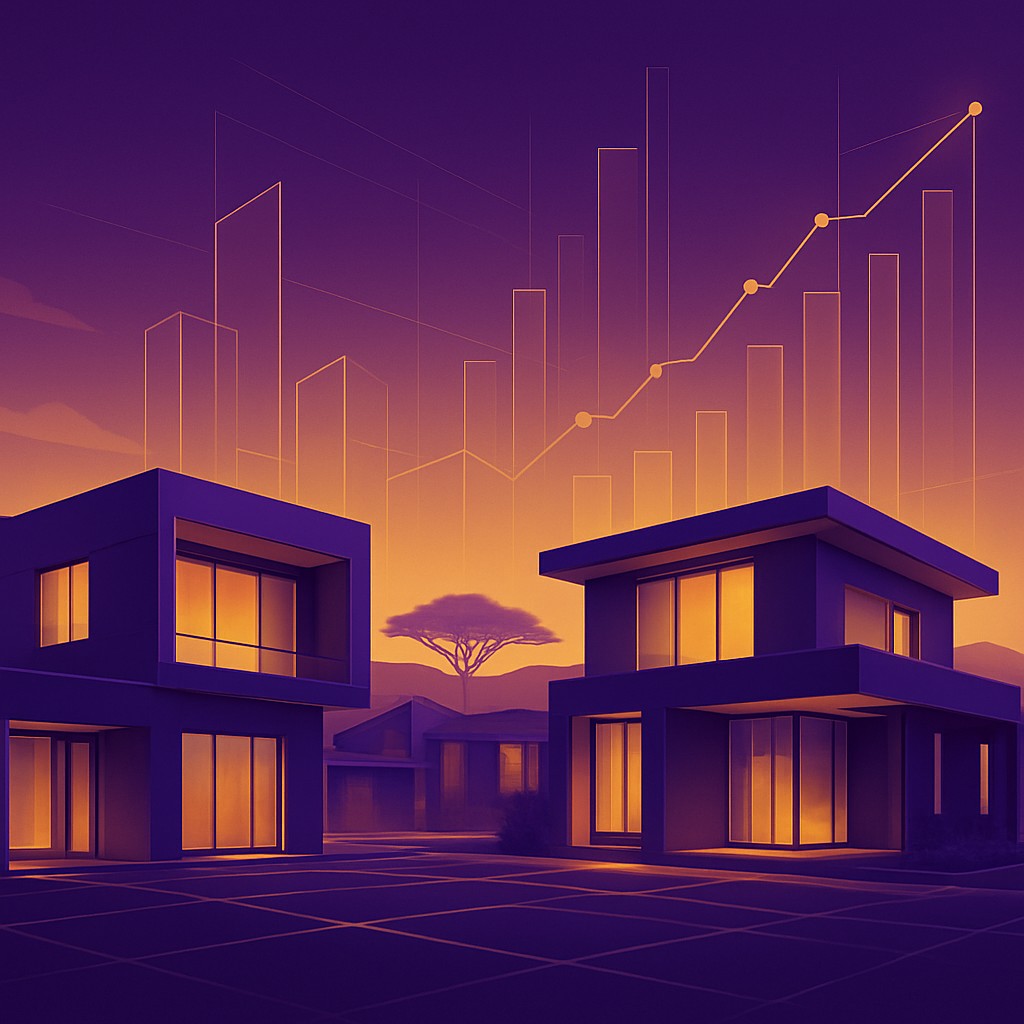
The Residential Development Boom in Burkina Faso
Residential real estate development is one of the most dynamic sectors in Burkina Faso's growing economy. Rapid urbanization, a young and expanding population, and rising demand for modern housing have created strong momentum for developers in cities such as Ouagadougou and Bobo-Dioulasso. From affordable housing estates to upscale residential communities, developers are transforming the urban landscape and shaping how Burkinabè families live.
This growth reflects broader trends across West Africa, where housing shortages in urban centers have spurred both public and private investment. The leading residential developers in Burkina Faso are responding with planned communities, improved construction standards, and a focus on infrastructure that includes roads, drainage, water, and electricity. Their work is central to addressing the country's housing needs and supporting sustainable urban growth.
What Distinguishes the Best Developers
The most respected residential developers in Burkina Faso share several defining qualities. Construction quality is paramount, with leading firms using durable materials and sound engineering to ensure homes that last. Timely project delivery is another hallmark, as buyers and investors place high value on developers who honor their commitments and complete projects on schedule.
Transparency in transactions, clear land titles, and fair pricing build trust and protect buyers. The best developers also think holistically, integrating infrastructure, green spaces, and community amenities into their projects rather than simply building isolated houses. A strong track record, financial stability, and responsive customer service further set top developers apart.
Types of Residential Projects
Residential developers in Burkina Faso work across a spectrum of project types to meet diverse market needs. Affordable housing estates address the demand among middle-income families and first-time buyers, often through planned subdivisions with standardized, cost-effective home designs. Mid-range and premium developments cater to professionals and higher-income households seeking modern amenities, security, and quality finishes.
Gated communities and mixed-use developments are increasingly popular, offering residents security, shared amenities, and proximity to commercial services. Some developers also focus on serviced land plots, providing buyers with prepared parcels complete with infrastructure on which to build custom homes. This variety ensures that the market serves a broad range of budgets and lifestyles.
The Importance of Infrastructure and Planning
One of the defining features of quality residential development in Burkina Faso is attention to infrastructure and planning. Reliable access to water, electricity, drainage, and well-built roads dramatically increases the value and livability of a development. Leading developers invest heavily in these foundations, recognizing that they are essential to creating thriving, sustainable communities.
Thoughtful urban planning, including the provision of green spaces, schools, markets, and recreational areas, distinguishes premier developments from basic housing projects. Developers who collaborate with municipal authorities and adhere to zoning and building regulations help ensure orderly growth and long-term community success.
Trends Driving the Market
Several trends are shaping residential real estate development in Burkina Faso. There is rising demand for modern, well-serviced housing as the middle class expands and expectations evolve. Sustainable and energy-efficient construction is gaining attention, with growing interest in solar power, water management, and climate-appropriate building designs suited to the country's hot climate.
Gated communities and integrated developments that combine residential, commercial, and recreational spaces are increasingly sought after for their convenience and security. Diaspora investment is another significant driver, as Burkinabè living abroad invest in property at home. Improved access to financing and partnerships between developers and financial institutions are gradually making homeownership more attainable.
How to Choose a Residential Developer
For buyers and investors, selecting the right residential developer is a crucial decision. It is essential to verify the developer's track record, visiting completed projects to assess construction quality and community management. Confirming clear and legitimate land titles is critical to avoiding disputes and protecting one's investment.
Buyers should also evaluate the infrastructure provided, the reputation of the developer among existing residents, and the transparency of payment terms. Engaging with a financially stable, established developer reduces risk and increases the likelihood of a smooth, secure transaction. Patience and due diligence are well rewarded in the residential property market.
Conclusion
Residential real estate developers are at the heart of Burkina Faso's urban transformation, delivering the modern housing that a growing population needs. The leading developers stand out through quality construction, timely delivery, strong infrastructure, and thoughtful community planning. As demand rises and trends such as sustainable building, gated communities, and diaspora investment accelerate, the sector offers significant opportunities for buyers and investors alike. Choosing a reputable, proven developer remains the surest path to a sound and rewarding residential investment.