
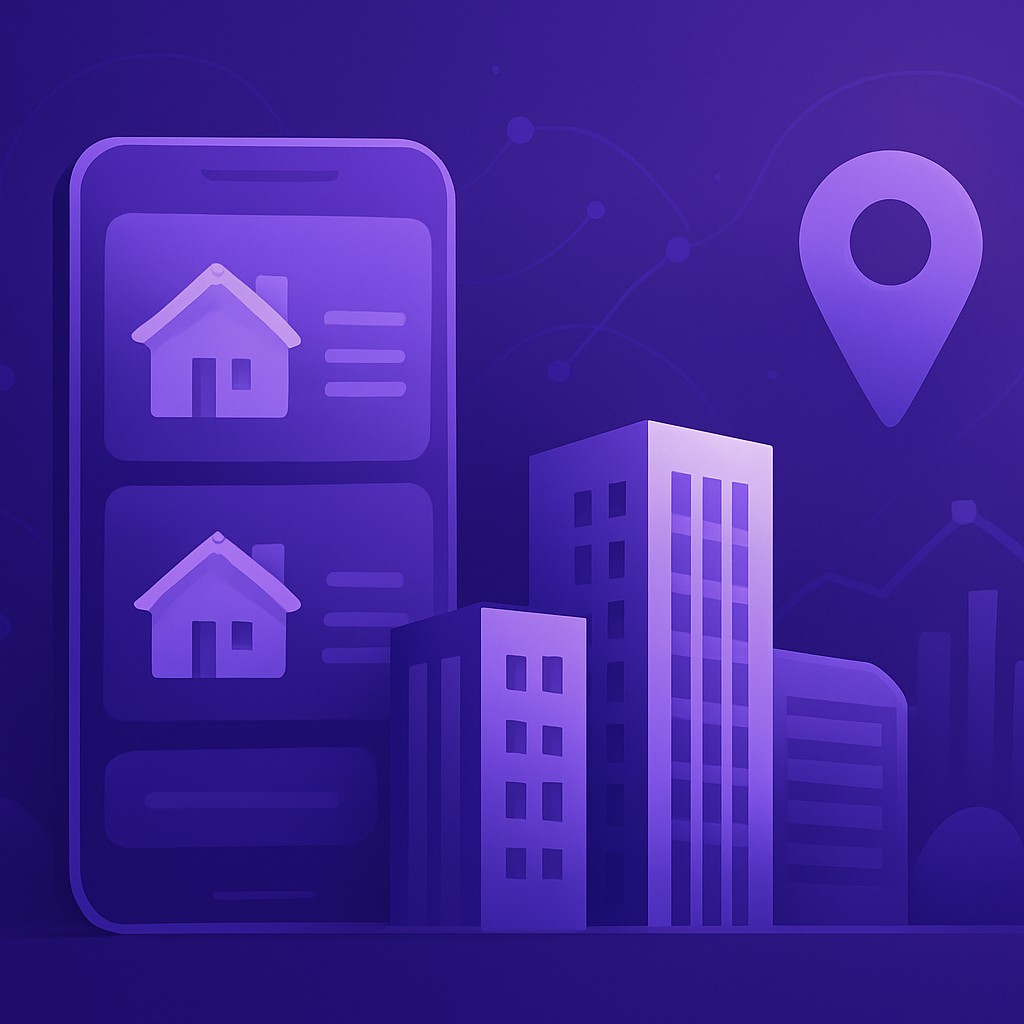
How Digital Platforms Transformed Korean Renting
South Korea is one of the most digitally connected nations on earth, and its rental property market reflects that reality. Gone are the days when finding an apartment required endless visits to neighborhood real estate offices. Today, sleek mobile apps and comprehensive online platforms allow renters to browse thousands of listings, compare prices, schedule viewings, and even sign contracts from their smartphones. This digital transformation has brought unprecedented transparency to a market historically known for its complexity.
The Korean rental landscape is unique, shaped by the jeonse system, in which tenants pay a large refundable deposit instead of monthly rent, and the more familiar wolse monthly rental model. Navigating these arrangements requires reliable information, and the best rental platforms have stepped up to provide verified listings, price histories, and neighborhood insights that empower renters to make informed decisions.
What Makes a Great Rental Platform
The leading rental platforms in South Korea share several defining characteristics: accurate and up-to-date listings, intuitive search filters, verified property information, and strong fraud protection. Many also integrate map-based search, allowing users to explore neighborhoods, transit access, and nearby amenities. Trust and verification are especially important, as deposit-based leasing involves significant sums of money.
User experience is another key differentiator. The most successful platforms offer clean interfaces, fast loading times, and helpful features such as virtual tours, mortgage and deposit calculators, and direct messaging with agents or landlords.
The Top Rental Platforms
Zigbang is one of the pioneers of Korea's proptech revolution, offering an extensive database of apartments, officetels, and villas with detailed photos, virtual tours, and verified listings. Its user-friendly interface has made it a household name.
Dabang rivals Zigbang as a market leader, known for its powerful search filters, accurate pricing data, and a strong focus on studio apartments and one-room units popular with young professionals and students.
Naver Real Estate leverages the dominance of Korea's largest internet portal to deliver one of the most comprehensive listing databases in the country, complete with price comparisons and market analytics.
KB Real Estate is backed by one of Korea's major financial groups, offering trusted property valuations and listings that are especially useful for those navigating deposits and financing.
Hogangnono specializes in apartment price data and market trends, making it a favorite among renters and buyers who want deep analytical insights before committing.
Peterpan focuses on direct landlord-to-tenant connections, helping renters reduce brokerage fees by listing properties without intermediaries.
R114 provides extensive market data and listings with a long-standing reputation for reliable real estate information across residential segments.
Bizgio caters to commercial and office rentals, serving businesses and entrepreneurs seeking workspace in major cities.
Sangga Tv targets retail and commercial property seekers, offering specialized listings for shops and storefronts.
Ziptoss emphasizes a streamlined, fee-transparent experience for foreign residents and first-time renters navigating the Korean market.
Features That Matter to Renters
Modern renters expect more than just listings. Virtual reality tours have become increasingly common, allowing users to inspect properties remotely before scheduling in-person visits. Verified badges and anti-fraud systems help protect tenants from fake listings, a persistent concern in any large rental market. Integrated calculators for deposits, monthly costs, and loan eligibility further simplify decision-making.
For international residents, platforms offering multilingual support and guidance on Korean lease structures provide invaluable assistance, smoothing what can otherwise be an intimidating process.
Tips for Using Rental Platforms Effectively
To get the most out of these platforms, renters should set clear budget parameters, use neighborhood filters to narrow searches, and always verify listings before transferring any deposit. Reading reviews, checking price histories, and cross-referencing multiple platforms can help confirm whether a listing is fairly priced. When dealing with significant deposits, working through verified agents or platforms with strong protection policies is strongly advised.
Understanding Korea's Unique Lease Systems
One of the greatest values these platforms provide is helping renters navigate Korea's distinctive lease structures. The jeonse system, in which a tenant deposits a substantial lump sum, often a significant percentage of the property's value, in lieu of monthly rent, can be confusing for newcomers. Many platforms now offer educational resources, deposit guarantee information, and tools to assess the safety of a jeonse arrangement, helping renters avoid the risks associated with returning large deposits.
The wolse model, combining a smaller deposit with monthly payments, is increasingly common, especially among younger renters and those seeking flexibility. Leading platforms clearly display the terms of each arrangement and allow users to filter listings by lease type, empowering renters to choose the option that best fits their financial situation and lifestyle. This transparency has been instrumental in building trust across the market.
The Future of Rental Technology in Korea
As artificial intelligence and big data continue to advance, Korean rental platforms are poised to offer even smarter recommendations, predictive pricing, and personalized search experiences. The integration of digital contracts and secure payment systems will further streamline the rental journey. With innovation accelerating, South Korea's rental platforms will remain at the forefront of global proptech, making the search for a home faster, safer, and more transparent than ever before.