
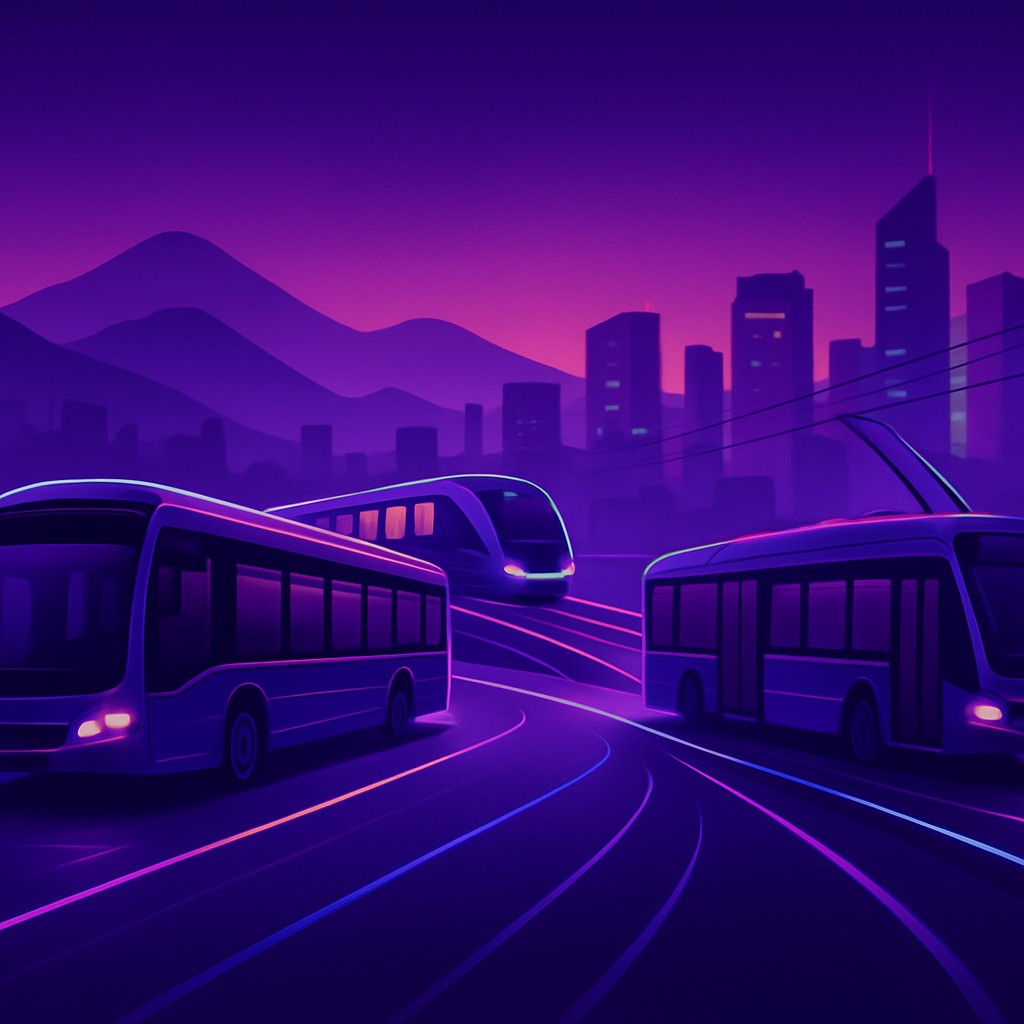
Moving Millions Every Day
Public transit is the lifeblood of Ecuador's cities, carrying millions of residents to work, school, and daily errands across challenging urban terrain. From the bus rapid transit corridors of Quito to the modern metro system that recently transformed the capital, public transportation in Ecuador blends established networks with exciting innovation. The best public transit services combine affordability, broad coverage, and growing modernization to serve diverse communities.
Understanding Ecuador's transit landscape means appreciating how it adapts to geography. Cities built in narrow Andean valleys or sprawling coastal plains each require tailored solutions, and the leading systems have evolved to meet these unique demands.
Quito's Integrated Transit Network
Quito, the capital, boasts one of the most developed transit systems in the country. The Metro de Quito, a modern underground system, marked a major leap forward, dramatically reducing travel times along the city's busy north-south axis and easing surface congestion. Its clean, efficient service has reshaped how residents move through the capital.
Complementing the metro are long-established bus rapid transit corridors including the Trolebús, Ecovía, and the Metrobús-Q system. These dedicated-lane services have served Quiteños for years, offering high-capacity transport along key routes. Together with the metro, they form an increasingly integrated network that prioritizes speed and accessibility.
Guayaquil and Coastal Transit
Guayaquil, Ecuador's largest city and economic hub, relies on the Metrovía, a bus rapid transit system with dedicated lanes and trunk-and-feeder routes that move large numbers of passengers efficiently across the metropolitan area. The Metrovía has been instrumental in organizing transit in a rapidly growing coastal city, providing structured, affordable service.
Alongside the Metrovía, conventional bus cooperatives operate extensive routes reaching neighborhoods throughout Guayaquil and its surroundings. These services, run by organized transport cooperatives, provide essential coverage that complements the formal BRT system.
Cuenca's Modern Tram
The colonial city of Cuenca made headlines with the introduction of the Tranvía de Cuenca, a modern light-rail tram system. This sleek, electric service brought a new level of sophistication to public transit in a mid-sized city, reducing emissions and offering a comfortable, reliable way to traverse the historic center and beyond. The tram has become a point of local pride and a model for sustainable urban mobility.
Cuenca's tram works alongside the city's bus network, which continues to provide broad coverage. The combination demonstrates how Ecuadorian cities are blending traditional and modern transit to meet contemporary needs.
Intercity and Regional Bus Services
Beyond city systems, Ecuador's intercity bus network is among the most important in the country. Major terminals in Quito, Guayaquil, and other cities connect to a vast web of routes operated by numerous cooperatives. Companies such as Cooperativa Flota Imbabura, Transportes Ecuador, and Panamericana Internacional are well known for long-distance travel, offering affordable connections between regions.
These intercity services range from basic to comfortable executive coaches, linking highland cities with coastal destinations and the Amazon gateway towns. For many Ecuadorians, these buses are the primary means of traveling across the country, making reliable cooperatives an essential part of national mobility.
Trends and the Future of Transit
Ecuadorian public transit is steadily modernizing. Investments in electric vehicles, integrated fare systems, and improved infrastructure point toward cleaner, more efficient networks. The success of the Quito Metro and Cuenca tram has demonstrated public appetite for high-quality, sustainable transit, encouraging further development.
Challenges remain, including funding, integration between different services, and managing congestion in growing cities. However, the trajectory is positive, with cities increasingly prioritizing accessible, environmentally responsible mobility for their residents.
Getting Around Ecuador
For residents and visitors alike, Ecuador's public transit offers affordable and increasingly comfortable ways to explore. In Quito, the metro and BRT corridors provide efficient urban travel. In Guayaquil, the Metrovía organizes coastal city transport, while Cuenca's tram offers a modern experience. Intercity buses open up the entire country at low cost.
The public transit services highlighted here showcase Ecuador's commitment to keeping its people moving. By blending established networks with bold modernization, they connect communities, support economic life, and point toward a more sustainable and accessible future for urban mobility.