
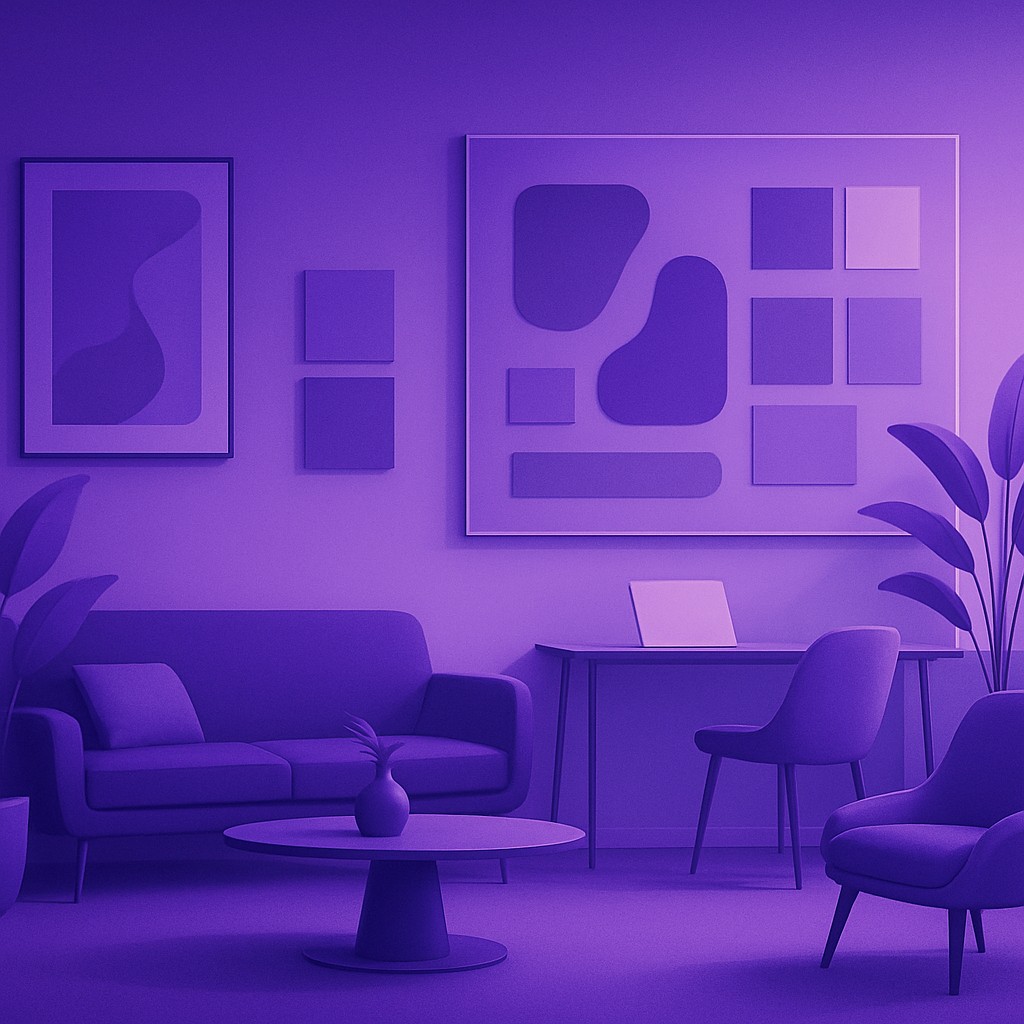
The Artistry of Korean Interior Design
South Korea has earned global recognition for its distinctive approach to interior design, characterized by clean lines, thoughtful minimalism, and a harmonious balance between modern aesthetics and traditional sensibilities. From sleek urban apartments to luxurious commercial spaces and serene wellness retreats, Korean designers craft environments that are both visually striking and deeply functional. As the country's appreciation for design has grown, so too has a flourishing industry of talented firms pushing creative boundaries.
The influence of Korean design extends well beyond residential interiors. The nation's cafes, hotels, retail stores, and offices are often celebrated for their innovative concepts and meticulous attention to detail. This design culture reflects broader societal values, including a love of beauty, an appreciation for craftsmanship, and a desire for spaces that enhance well-being and productivity.
What Defines Korean Interior Design
Korean interior design is known for its emphasis on simplicity, natural materials, and the intelligent use of space. In a country where apartments are common and square footage is precious, designers excel at creating interiors that feel open, airy, and uncluttered. Neutral palettes, warm wood tones, and soft lighting are hallmarks of the style, often accented with carefully chosen statement pieces.
At the same time, Korean designers are unafraid to experiment with bold concepts, especially in commercial and hospitality projects. The result is a design landscape that balances restraint with creativity, tradition with modernity.
Leading Interior Design Firms
Gensler Korea brings global design expertise to large-scale commercial and corporate projects, blending innovation with functionality and sustainability.
Studio Unravel is celebrated for its sophisticated residential and hospitality interiors that combine warmth, texture, and contemporary elegance.
Designinno offers comprehensive interior solutions for homes and businesses, known for its refined aesthetic and client-focused approach.
Z_Lab has gained acclaim for transforming traditional Korean spaces and hanok houses into stunning modern stays and venues, bridging heritage and design.
Labotory specializes in branded retail and commercial spaces, creating immersive environments that elevate customer experiences.
Teo Yang Studio is renowned for luxurious, art-infused interiors that blend Korean cultural elements with global sophistication.
WGNB is an award-winning firm known for its dramatic, concept-driven retail and hospitality designs that captivate visitors.
Stupa Design delivers elegant residential and commercial projects with a focus on timeless style and quality craftsmanship.
Betwin Space Design creates innovative cafe, restaurant, and retail interiors celebrated for their creativity and atmosphere.
Suppose Design influence partners and boutique studios round out a vibrant ecosystem of designers shaping spaces across Korea.
Trends Shaping the Industry
Several trends are defining contemporary Korean interior design. Sustainability and the use of eco-friendly materials are increasingly important, reflecting growing environmental awareness. Biophilic design, which incorporates natural elements like plants and natural light, is gaining popularity for its wellness benefits. Smart home integration, leveraging Korea's advanced technology, is becoming standard in premium residential projects.
In commercial spaces, experiential design that creates memorable, Instagram-worthy environments continues to drive innovation, particularly in the competitive cafe and retail sectors.
Blending Tradition with Modernity
One of the most compelling aspects of Korean interior design is its ability to honor heritage while embracing the contemporary. Many leading firms draw inspiration from traditional Korean architecture, incorporating elements such as natural wood, paper textures, low furniture, and the serene spatial philosophy of the hanok. These traditional touches are seamlessly integrated into modern interiors, creating spaces that feel both rooted and forward-looking.
This fusion is especially evident in the growing trend of converting old hanok houses into stylish cafes, guesthouses, and boutiques. Designers carefully preserve original features like exposed beams and courtyard layouts while introducing modern comforts and aesthetics. The result is a uniquely Korean design language that resonates with both locals and international audiences, celebrating the country's cultural identity while meeting the demands of contemporary living.
This thoughtful balance has also influenced how global brands approach the Korean market, with many international companies commissioning local studios to infuse their spaces with authentic Korean character. The growing export of Korean design talent and concepts to other countries underscores the worldwide appeal of this distinctive aesthetic, positioning Korean designers as influential voices in the global conversation around modern living and commercial space.
Choosing the Right Design Firm
Selecting an interior design firm depends on the nature of the project, budget, and desired style. Homeowners should review portfolios to find a firm whose aesthetic aligns with their vision, while businesses should consider a firm's experience with commercial projects and its ability to translate brand identity into physical space. Clear communication, a collaborative process, and a shared understanding of goals are essential for a successful partnership.
The Future of Interior Design in Korea
South Korea's interior design industry shows no signs of slowing down. As global interest in Korean culture grows, so does appreciation for its design philosophy. With a new generation of bold, creative designers emerging and technology opening new possibilities, the future promises ever more inspiring spaces. Whether crafting a tranquil home, a buzzing cafe, or a striking corporate headquarters, Korea's leading interior design firms continue to set standards that resonate around the world.