
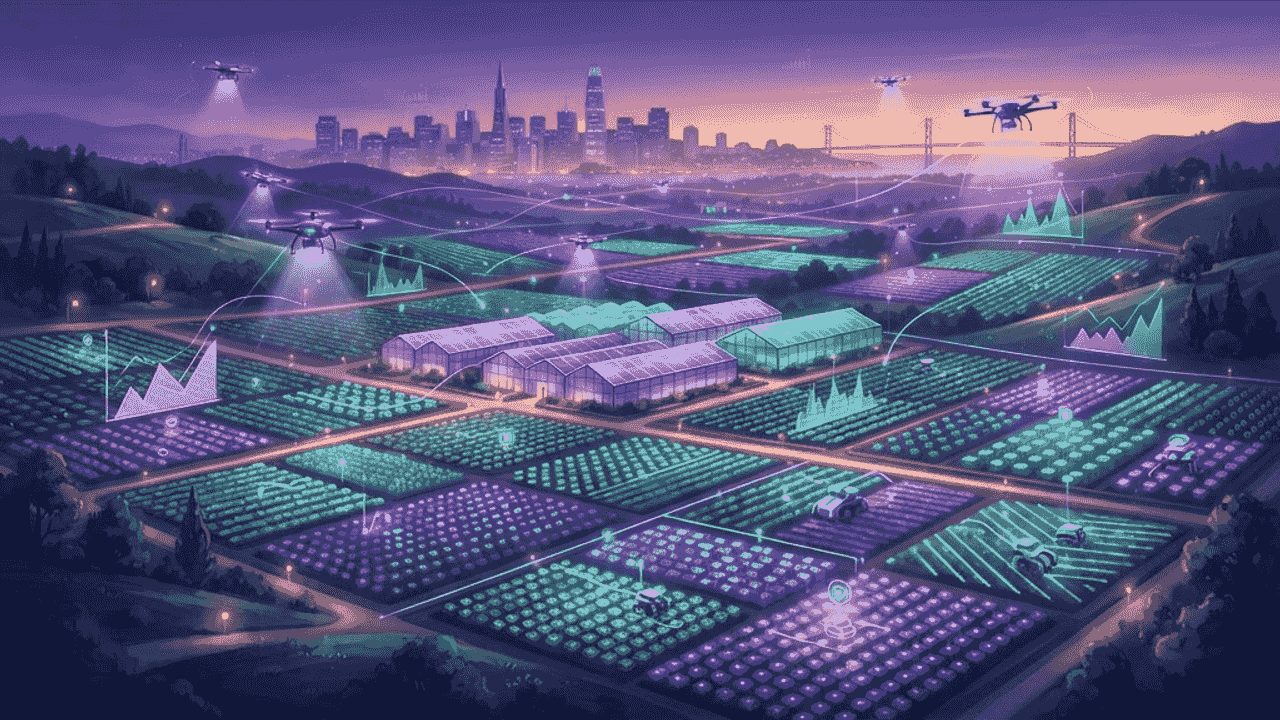
Farming in and Around San Francisco
While San Francisco itself is a dense urban environment, it sits at the heart of one of the most productive agricultural regions in the world. The surrounding Bay Area and nearby valleys support a remarkable diversity of farming, from organic vegetable operations to vineyards and specialty crops. Within the city, urban agriculture and innovative agtech companies are redefining what farming can look like in a modern metropolis.
Farming companies in this region play a vital role in supplying fresh, high-quality food to local markets, restaurants, and residents. They also drive innovation in sustainable agriculture, leveraging the Bay Area's culture of technology and environmental awareness to pioneer new approaches to food production.
What Defines a Leading Farming Company
Successful farming companies combine agricultural expertise, operational efficiency, and a commitment to quality and sustainability. In a region where consumers value fresh, local, and responsibly grown food, farms that prioritize these qualities enjoy strong demand. The best operations balance productivity with environmental stewardship, protecting soil, water, and biodiversity for the long term.
Innovation increasingly distinguishes top farming companies. Whether through precision agriculture, controlled-environment growing, or novel distribution models, forward-thinking farms improve yields, reduce waste, and adapt to changing conditions. This spirit of innovation is especially strong in the Bay Area's tech-influenced agricultural community.
Leading Farming Operations in the Region
The greater San Francisco area is home to a variety of notable farming enterprises. Established regional producers supply organic vegetables, fruits, and specialty crops to local markets and grocers, building reputations for freshness and quality. Many participate in farmers markets throughout the city, connecting directly with consumers who value local sourcing.
Urban farming organizations have transformed vacant lots and rooftops into productive growing spaces. Groups focused on community agriculture cultivate fresh produce while providing education and access to healthy food in underserved neighborhoods. These initiatives blend food production with social impact, reflecting San Francisco's community-minded values.
The region has also become a center for agricultural technology. Companies developing vertical farming, indoor growing systems, and precision agriculture tools are headquartered in and around the city. Innovators like Plenty and other controlled-environment agriculture ventures use advanced technology to grow crops efficiently, sustainably, and close to consumers, reducing transportation and environmental impact.
The Rise of Urban and Vertical Farming
Urban agriculture has flourished in San Francisco, driven by limited land, high demand for local food, and a culture of innovation. Vertical farming and indoor growing systems allow crops to be produced year-round in controlled environments, unaffected by weather and requiring far less land and water than traditional agriculture. These methods bring food production closer to consumers, improving freshness and reducing carbon footprints.
This approach aligns perfectly with the Bay Area's priorities. By combining technology with sustainability, urban and vertical farming operations address food security, environmental concerns, and consumer demand for local produce all at once. Their continued growth signals a transformation in how cities can feed themselves.
Sustainability and Environmental Stewardship
Sustainability is central to farming in the San Francisco region. Consumers and regulators alike expect responsible practices, from organic cultivation to water conservation and reduced chemical use. Leading farming companies embrace these principles, protecting natural resources while producing high-quality food.
Regenerative agriculture, which focuses on restoring soil health and sequestering carbon, has gained attention among forward-thinking farms. These practices not only reduce environmental impact but can improve long-term productivity and resilience, offering a compelling model for the future of agriculture.
Connecting Farms to the Community
Farming companies in the region excel at building direct relationships with consumers and businesses. Farmers markets, community-supported agriculture programs, and partnerships with restaurants connect growers to the people who enjoy their products. San Francisco's renowned culinary scene, with its emphasis on fresh, local ingredients, provides a strong market for quality produce.
These connections benefit everyone. Consumers gain access to fresh, traceable food, farmers receive fair prices and direct feedback, and communities strengthen their local food systems. This close relationship between producers and consumers is a hallmark of Bay Area agriculture.
The Future of Farming in the Bay Area
The farming companies serving San Francisco embody a blend of tradition and innovation. From established regional producers to cutting-edge agtech ventures, these organizations feed the city while pioneering sustainable, technology-driven approaches to food production. As challenges like climate change and population growth intensify, their leadership in sustainable and innovative farming will only become more important, ensuring the Bay Area remains a model for the future of agriculture.
Technology, Data, and the Agtech Advantage
San Francisco's position at the center of the technology world gives its farming companies a distinctive advantage. Agtech startups and established producers alike harness data analytics, artificial intelligence, and automation to optimize every stage of production. Sensors monitor soil moisture and plant health, predictive models guide planting and harvest timing, and automated systems reduce labor demands. This fusion of agriculture and technology is helping farms produce more with fewer resources while responding nimbly to environmental challenges.
Access to venture capital and a culture of experimentation further accelerate innovation in the region. Ideas that begin as pilot projects on small urban farms can scale rapidly, influencing agricultural practices far beyond the Bay Area. This ecosystem, where farmers, engineers, and entrepreneurs collaborate, positions San Francisco as a global leader in shaping the future of food production. The farming companies at the heart of this movement are not only feeding the city but also demonstrating how technology and sustainability can work hand in hand.