
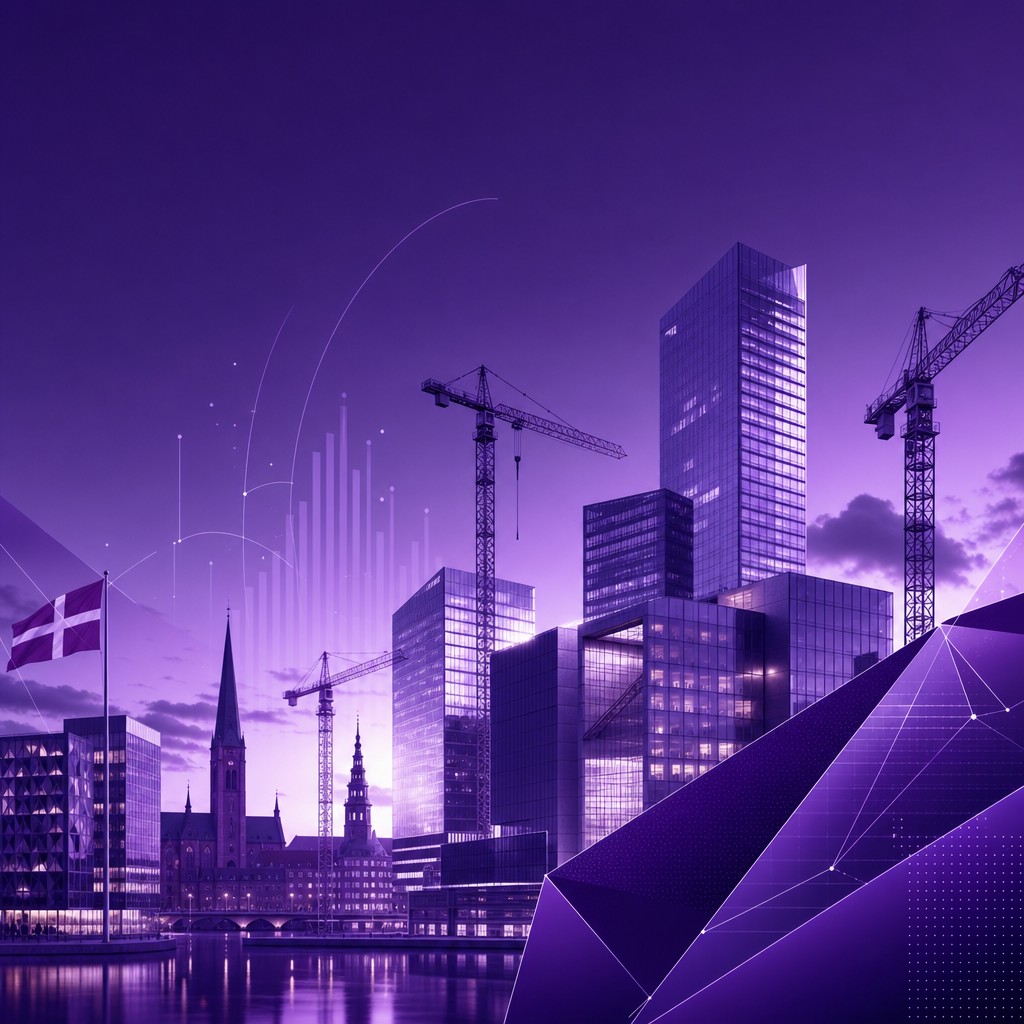
The Role of Commercial Construction in Denmark's Economy
Commercial construction is a cornerstone of Denmark's economic vitality. Office towers in Copenhagen, logistics hubs near major ports, retail centers, hotels, and corporate campuses all depend on builders capable of delivering complex projects on time and to exacting standards. As the Danish economy continues to diversify across technology, life sciences, green energy, and finance, demand for high-performance commercial space remains strong. The companies that lead this sector combine engineering expertise, financial discipline, and a deep understanding of regulatory requirements.
What Sets Top Commercial Builders Apart
Commercial projects are fundamentally different from residential ones. They involve larger budgets, more stakeholders, and tighter coordination among architects, engineers, and specialist subcontractors. The most respected Danish commercial construction firms excel at managing this complexity. They bring strong project management systems, rigorous safety protocols, and the financial stability needed to handle multi-year developments.
These companies are also distinguished by their ability to deliver predictable outcomes. Clients investing in commercial property need certainty around cost, schedule, and quality. Leading builders provide transparent reporting, proactive risk management, and the experience to anticipate challenges before they escalate. Their track records of completed landmarks speak to their reliability.
Sustainability and Green Building Leadership
Denmark is a global leader in sustainable development, and this ambition is highly visible in commercial construction. Top firms routinely pursue green building certifications and design for energy efficiency, low operational carbon, and occupant well-being. Features such as high-performance facades, intelligent building management systems, green roofs, and renewable energy integration are increasingly standard in flagship developments.
Beyond energy, the industry is embracing circular principles. Builders are sourcing low-carbon concrete and steel, reusing materials where feasible, and designing structures with future adaptability in mind. This commitment not only reduces environmental impact but also enhances long-term asset value, an important consideration for investors and tenants.
Engineering Excellence and Technical Capability
Commercial construction often demands advanced engineering solutions. Large clear spans, complex mechanical systems, and challenging urban sites require deep technical knowledge. Denmark's leading firms invest heavily in skilled engineers and modern construction methods, including modular and prefabricated components that accelerate delivery and improve precision.
Digital construction has become central to this work. Building information modeling enables detailed coordination among disciplines, reducing clashes and rework. Many top companies use digital twins and data-driven planning to optimize logistics, sequencing, and quality control across the project lifecycle.
Sectors Served by Leading Firms
The best commercial construction companies in Denmark serve a broad range of markets. These include corporate offices, retail and mixed-use developments, hotels and hospitality venues, healthcare and laboratory facilities, education buildings, and industrial and logistics centers. Each sector carries unique technical and regulatory requirements, and experienced builders tailor their approach accordingly.
Specialized facilities such as data centers and pharmaceutical plants have grown in importance, reflecting Denmark's strengths in technology and life sciences. Constructing these projects demands strict adherence to cleanliness, power resilience, and precise environmental controls, capabilities that only the most sophisticated firms possess.
Project Delivery Models
Commercial clients in Denmark can choose from several delivery models. Design-build arrangements consolidate responsibility and streamline communication, while construction management approaches give clients greater control over individual trades. Public-private partnerships are common for large infrastructure-adjacent developments. Top firms are versatile across these models and advise clients on the structure best suited to their goals.
Trends Shaping Commercial Construction
Several forces are reshaping the sector. Flexible workspaces and hybrid work patterns are influencing office design, with emphasis on adaptable floor plans and amenity-rich environments. Sustainability reporting requirements are driving demand for verifiable green credentials. Urban densification is encouraging mixed-use developments that combine work, retail, and living in a single project.
Automation and offsite manufacturing continue to gain momentum, improving productivity in an industry that faces labor constraints. Health and wellness considerations, including air quality, daylight, and biophilic design, are increasingly central to tenant expectations.
Selecting the Right Commercial Builder
Choosing a commercial construction partner requires careful evaluation. Examine the firm's portfolio for projects of similar scale and complexity. Assess financial stability, safety performance, and the strength of project management systems. Speak with past clients about their experience with budget control and communication. A capable builder will demonstrate not only technical skill but also a collaborative mindset that aligns with your business objectives.
It is equally important to consider how a contractor approaches early planning and value engineering. The most effective firms engage from the design phase, advising on constructability, cost drivers, and program risks before they become problems. This early collaboration often yields better outcomes than competitive pricing alone, helping clients optimize quality, schedule, and lifecycle performance across the entire investment.
Conclusion
Denmark's commercial construction industry reflects the nation's reputation for engineering precision, sustainability, and design excellence. The leading companies deliver complex, high-performance buildings that support economic growth while advancing climate goals. For developers, corporations, and investors, partnering with an experienced Danish commercial builder ensures projects that perform reliably and create lasting value in a competitive market.