
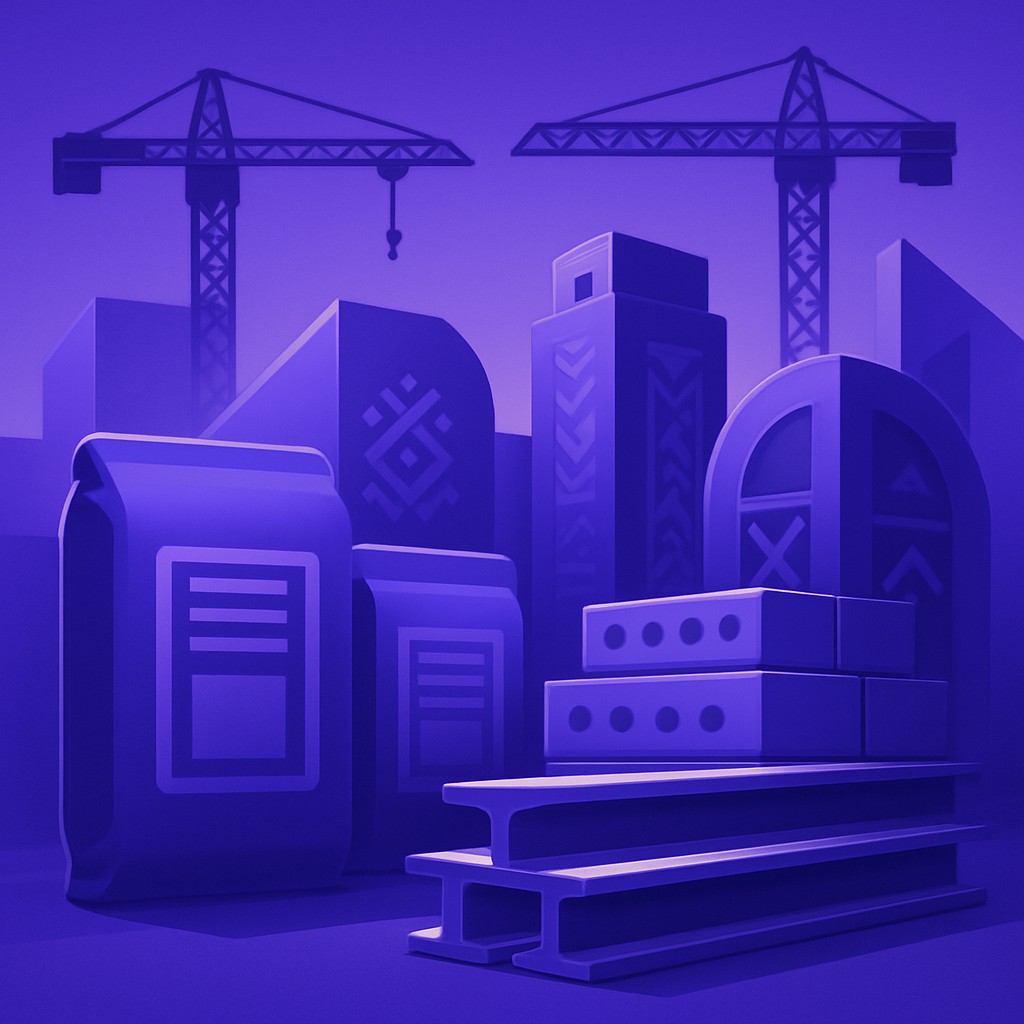
Building Materials at the Heart of Mali's Growth
Mali is experiencing a sustained wave of construction, from residential housing and commercial buildings to roads, bridges, and public infrastructure. At the foundation of this growth lies a robust building materials industry that supplies cement, steel, aggregates, tiles, and a wide range of finishing products. These companies are essential partners to contractors, developers, and government agencies undertaking projects across the country.
As urbanization accelerates in Bamako and regional cities, the demand for reliable, quality building materials has never been higher. Companies that can supply consistent products at scale play a critical role in keeping construction projects on schedule and within budget.
The Range of Building Materials Supplied
The building materials sector covers several categories. Cement is among the most important, forming the backbone of nearly every construction project. Steel and reinforcement bars provide structural integrity, while aggregates such as sand, gravel, and crushed stone are essential for concrete production.
Finishing materials represent another major segment, including tiles, paints, plumbing fixtures, and roofing products. Suppliers that offer a comprehensive range allow builders to source multiple materials from a single trusted partner, simplifying procurement and improving project coordination.
Leading Building Material Companies in Mali
Ciments du Mali is a cornerstone of the industry, supplying cement to projects of all sizes across the country. Sahel Construction Supplies offers a broad catalog of materials, from aggregates to finishing products, serving contractors with one-stop convenience.
Bamako Steel and Iron specializes in reinforcement bars and structural steel, essential for multi-story and infrastructure projects. Faso Matériaux distributes a wide range of construction goods, including tiles, plumbing, and roofing. Niger Aggregates Company supplies sand, gravel, and crushed stone sourced from regional quarries.
Other prominent players include Mali Building Solutions, known for finishing materials and decorative products; Ségou Construction Materials, which serves central regions; and Koulikoro Cement and Block, a producer of concrete blocks and precast elements. West Sahel Hardware and Bamako Roofing and Tiles round out the field, each contributing specialized products to the construction supply chain.
Industry Trends and Challenges
The building materials sector faces both opportunities and challenges. On one hand, sustained demand from public infrastructure programs and private development provides a strong growth foundation. On the other, the landlocked nature of the country can complicate logistics and raise the cost of imported inputs.
To address these challenges, leading companies invest in local production and efficient distribution networks. There is also growing interest in sustainable and energy-efficient materials, such as improved insulation products and locally manufactured blocks that reduce transportation costs and environmental impact.
How to Choose a Building Material Supplier
Selecting the right building material company is critical to project success. Buyers should prioritize product quality and consistency, as substandard materials can compromise structural safety and lead to costly rework. Certifications and compliance with construction standards offer important reassurance.
Supply reliability is equally important. Construction schedules depend on timely delivery, so a supplier's logistics capacity and inventory levels deserve careful evaluation. For large projects, the ability to provide technical support and bulk pricing can make a meaningful difference.
Conclusion
Building material companies are indispensable to Mali's development, supplying the foundations on which homes, businesses, and infrastructure are built. The companies featured here represent the quality and reliability that contractors and developers depend on. As the country continues to grow, these suppliers will remain central to realizing Mali's construction ambitions.