
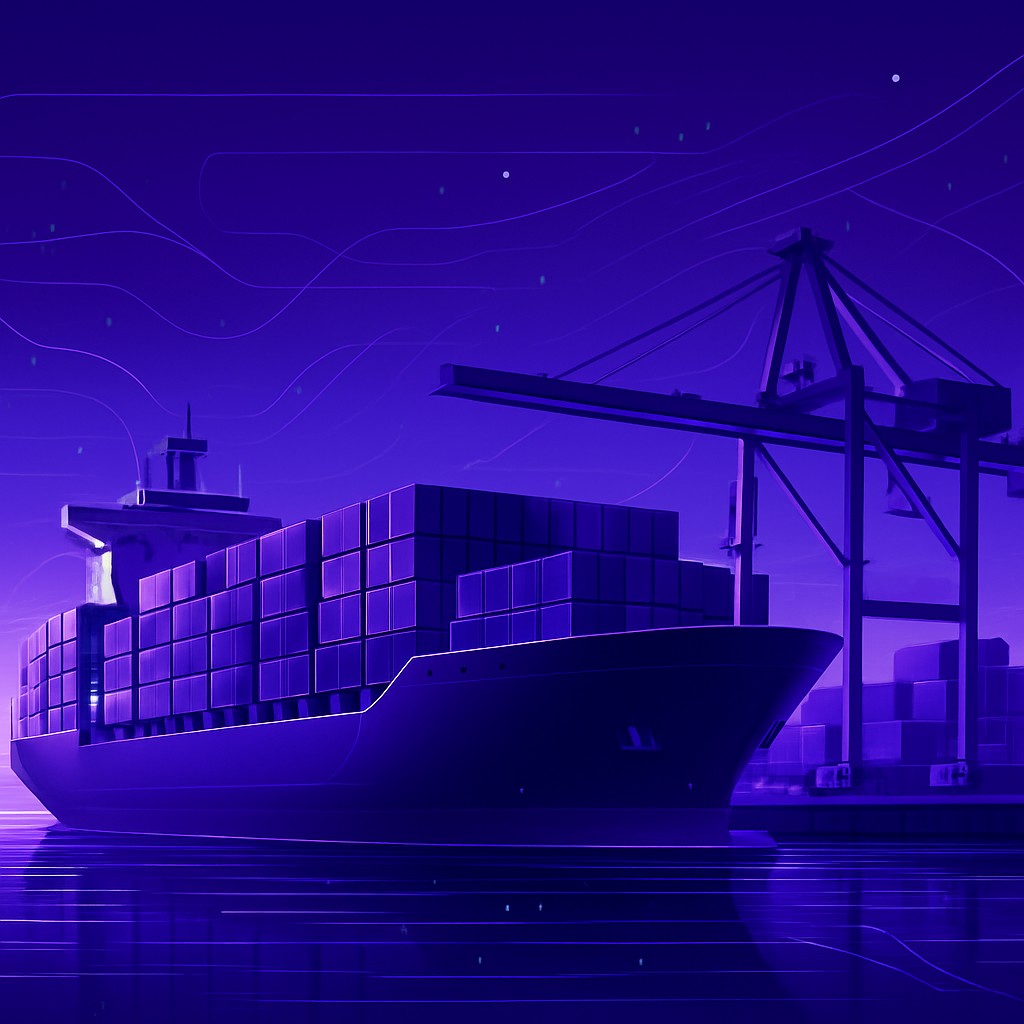
Colombia's Strategic Position in Maritime Trade
Colombia enjoys a rare geographic advantage among South American nations: access to both the Caribbean Sea and the Pacific Ocean. This dual coastline makes the country a natural gateway for maritime trade, connecting it to North America, Europe, Asia, and neighboring Latin American markets. Shipping companies play a pivotal role in leveraging this position, moving containers, bulk commodities, and specialized cargo across the world's oceans.
Ports such as Cartagena, Barranquilla, and Santa Marta on the Caribbean coast, along with Buenaventura on the Pacific, serve as the primary nodes of maritime commerce. The shipping companies and port operators working through these hubs are essential to Colombia's import and export economy.
The Importance of Container Shipping
Container shipping is the dominant mode for moving manufactured goods and consumer products. Standardized containers enable efficient loading, transport, and unloading, streamlining the movement of cargo between ships, trucks, and trains. Colombia's major ports have invested in modern container handling equipment to keep pace with global standards.
The leading shipping lines serving Colombia offer regular routes connecting the country to major international ports. Their schedules, capacity, and reliability are critical to businesses that depend on predictable shipping for their supply chains.
Prominent Shipping Lines and Operators
Several major global shipping lines maintain a strong presence in Colombia. Maersk is among the most prominent, offering extensive container services and integrated logistics solutions. MSC, the Mediterranean Shipping Company, provides broad global connectivity through Colombian ports. CMA CGM is another key player, linking Colombia to international trade lanes.
Hapag-Lloyd and Hamburg Süd contribute additional capacity and route options, while regional and feeder operators connect Colombian ports to neighboring markets. Port operators such as those managing the Cartagena container terminals are integral to the efficiency of these shipping services, handling vessel operations and cargo logistics with precision.
Port Infrastructure and Efficiency
The efficiency of shipping depends heavily on port infrastructure. Colombia has made significant investments in modernizing its ports, expanding container terminals, deepening channels, and upgrading equipment. Cartagena, in particular, has earned recognition as one of the most efficient container ports in the region.
These improvements reduce vessel turnaround times, increase cargo throughput, and enhance Colombia's competitiveness as a maritime hub. Efficient ports attract more shipping lines and trade volume, creating a positive cycle of investment and growth.
Specialized Maritime Services
Beyond container shipping, Colombia's maritime sector includes specialized services. Bulk carriers transport commodities such as coal, grains, and minerals, supporting the country's resource exports. Tankers move petroleum and chemical products, while refrigerated vessels carry perishable goods to international markets.
These specialized services require dedicated expertise and equipment, and the companies that provide them play an important role in supporting Colombia's diverse export economy.
Technology and Digitalization at Sea
The shipping industry is embracing digital transformation. Electronic documentation, online booking platforms, and shipment tracking have improved transparency and efficiency. Port community systems coordinate the many stakeholders involved in cargo movement, reducing delays and paperwork.
These digital tools benefit Colombian shippers by providing greater visibility into their cargo and streamlining customs and logistics processes. As technology advances, the integration of shipping with broader supply chain systems will continue to improve.
Choosing a Shipping Partner
Selecting a shipping company in Colombia involves evaluating route coverage, transit times, capacity, and reliability. Businesses should also consider the integrated logistics services a carrier offers, such as inland transport and customs support, which can simplify the overall shipping process.
Colombia's maritime sector is well positioned for continued growth, supported by strategic geography, modern ports, and the presence of leading global shipping lines. The companies operating in this space connect Colombian businesses to the world, playing an indispensable role in the nation's trade and economic development.