
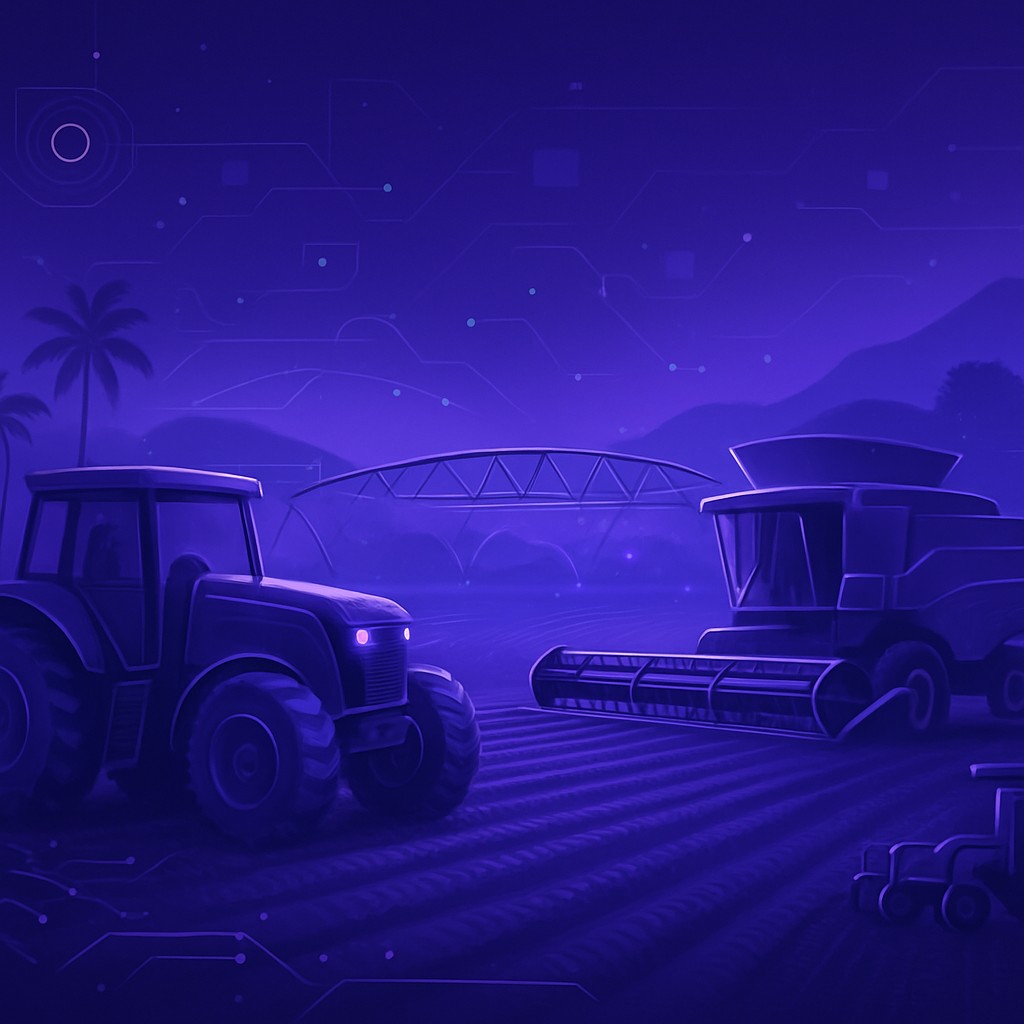
Mechanizing Honduran Agriculture
As Honduras' agricultural sector modernizes, access to reliable machinery and equipment has become essential for improving productivity and competitiveness. Tractors, harvesters, irrigation systems, and processing equipment help farmers manage larger areas, reduce labor costs, and increase yields. The brands that supply this equipment, along with their local dealers and service networks, play a key role in supporting both large agribusinesses and smallholder farmers.
Agricultural equipment in Honduras must perform reliably across diverse terrain and climates, from coffee-growing highlands to lowland plantations. The most trusted brands combine durable machinery with strong after-sales support, ensuring farmers can maintain operations during critical planting and harvesting windows.
The Role of Equipment in Productivity
Mechanization addresses several challenges in Honduran farming. Tractors and tillage equipment prepare land more efficiently than manual methods, while planters and sprayers improve precision and reduce input waste. Irrigation systems help farmers cope with seasonal dryness and stabilize yields. Post-harvest equipment, including processing and drying machinery, adds value and reduces losses.
For export-oriented producers, reliable equipment is essential to meeting volume and quality expectations. Even smallholders increasingly benefit from access to shared machinery, rental services, and appropriately scaled tools that boost efficiency without excessive cost.
Leading Agricultural Equipment Brands
Several globally recognized brands dominate the Honduran market through local dealers and distributors. John Deere is widely respected for its tractors, harvesting equipment, and strong service network, making it a preferred choice for larger operations. Massey Ferguson offers versatile and durable tractors well suited to a range of farm sizes and budgets.
New Holland provides a broad lineup of tractors and harvesting machinery valued for reliability, while Kubota is known for compact, efficient tractors popular among smaller and specialty farms. Case IH supplies robust equipment for large-scale operations. In irrigation and pumping, brands such as Honda power equipment and established irrigation manufacturers supply engines, pumps, and systems. For handheld and small-scale needs, brands like Stihl and Husqvarna offer trusted chainsaws, brush cutters, and tools used across coffee and diversified farms.
The Importance of Dealer and Service Networks
In agricultural equipment, the strength of the local dealer and service network often matters as much as the brand itself. Farmers depend on timely access to spare parts, skilled technicians, and maintenance support to avoid costly downtime during peak seasons. Brands with established dealerships in Tegucigalpa, San Pedro Sula, and key agricultural regions provide a significant advantage.
Financing options, operator training, and warranty support further influence purchasing decisions. The most successful brands invest in comprehensive support ecosystems that help farmers maximize the value and lifespan of their equipment.
Trends in Agricultural Machinery
Precision agriculture is gradually entering the Honduran market, with GPS-guided equipment, data-driven application systems, and improved efficiency tools gaining interest among larger producers. Fuel efficiency and lower emissions are increasingly important considerations, as are compact and versatile machines suited to diverse crops and terrains.
There is also growing demand for affordable, durable equipment tailored to smallholder needs, including appropriately scaled tractors and post-harvest tools. Brands that balance advanced technology with practicality and affordability are well positioned to expand their presence.
How Farmers Should Choose Equipment
When selecting agricultural equipment, farmers should weigh durability, suitability for their crops and terrain, and the availability of local service and parts. Total cost of ownership, including fuel, maintenance, and resale value, often matters more than the initial price. Consulting with dealers, reviewing warranty terms, and considering financing options all support sound decisions.
For cooperatives and larger operations, scalability and the ability to integrate multiple machines into an efficient workflow are key. Smallholders benefit most from reliable, easy-to-maintain equipment backed by accessible support.
Financing and Access to Machinery
One of the greatest barriers to mechanization in Honduras is the upfront cost of equipment, particularly for smallholders and cooperatives. To address this, many dealers and brands offer financing plans, leasing arrangements, and equipment rental services that lower the entry barrier. Agricultural development programs and financial institutions also provide credit specifically designed for machinery purchases, helping farmers invest in productivity-enhancing tools they could not otherwise afford.
Equipment-sharing models and cooperative ownership are increasingly popular, allowing groups of farmers to access tractors and harvesters collectively. These arrangements maximize the use of expensive machinery while spreading costs across multiple users. Brands and dealers that support these models, through flexible financing, training, and maintenance packages, help expand mechanization to a broader segment of the farming community and contribute to overall agricultural growth.
Maintenance and Operator Training
Owning quality equipment is only part of the equation; proper maintenance and skilled operation determine how much value farmers ultimately extract from their investment. Leading brands and dealers offer operator training, preventive maintenance schedules, and readily available spare parts to keep machines running reliably. Well-trained operators reduce breakdowns, improve safety, and extend equipment lifespan, while timely servicing prevents costly failures during critical planting and harvesting windows. This emphasis on support and education is a defining feature of the most respected equipment providers in Honduras.
Conclusion
Agricultural equipment brands play a vital role in modernizing Honduran farming and boosting productivity across the sector. Trusted names such as John Deere, Massey Ferguson, New Holland, Kubota, and others combine durable machinery with essential dealer and service networks. As precision agriculture and sustainability gain ground, brands that offer reliable, efficient, and well-supported equipment will continue to lead. For farmers, choosing the right equipment and a dependable service partner is fundamental to long-term success.