
Healthcare Excellence in Central African Republic
The nation's healthcare sector includes respected hospitals providing comprehensive medical services, emergency care, surgical procedures, diagnostic capabilities, and specialized treatments. Leading hospitals maintain international standards, professional staff, and commitment to patient-centered care despite challenging operating environments.
These institutions serve as healthcare anchors for their communities, providing essential services from routine care to complex procedures, training medical professionals, and contributing to health research and advancement. Hospitals navigate resource constraints while maintaining quality standards and accessibility commitments.
Medical Services and Specialties
Comprehensive hospitals offer diverse medical specialties including general surgery, cardiology, orthopedics, pediatrics, obstetrics, psychiatry, and emergency medicine addressing full spectrum of patient needs. Specialty departments enable complex case management and specialized treatment that community health centers cannot provide.
Many hospitals have developed recognized centers of excellence in particular specialties, attracting patients from throughout regions and establishing reputations for expertise in specific fields. Specialized services often serve as regional resources for patient referrals and complex case management.
Emergency and Trauma Care
Leading hospitals maintain robust emergency departments equipped for trauma management, emergency stabilization, and urgent care serving accident victims, acute illness cases, and critical situations. Emergency services operate 24/7, providing lifesaving interventions and immediate medical attention.
Trauma systems including ambulance services, emergency triage protocols, surgical support, and intensive care capabilities enable effective emergency response. Hospital commitment to emergency preparedness includes disaster planning, staff training, and equipment maintenance ensuring readiness.
Surgical Facilities and Capabilities
Modern hospitals maintain operating theaters equipped with contemporary surgical technology, anesthesia support, and infection control measures enabling safe surgical procedures. Surgical teams including surgeons, anesthesiologists, and nursing staff coordinate complex procedures with professional competency.
Surgical specialties range from general surgery to complex procedures including cardiovascular surgery, orthopedic reconstruction, and neurosurgery. Hospital investment in surgical capability enhances service offerings and treatment options available to patients.
Diagnostic Services and Technology
Hospitals provide comprehensive diagnostic capabilities including laboratory testing, imaging services (X-ray, ultrasound, CT scanning, MRI), pathology, and specialized diagnostic procedures supporting clinical decision-making. Modern diagnostic technology enables accurate diagnosis and treatment planning.
Investment in diagnostic equipment and qualified technologists ensures quality testing, rapid turnaround times, and accurate results. Diagnostic services form essential support for clinical decision-making and treatment monitoring.
Inpatient Care and Ward Services
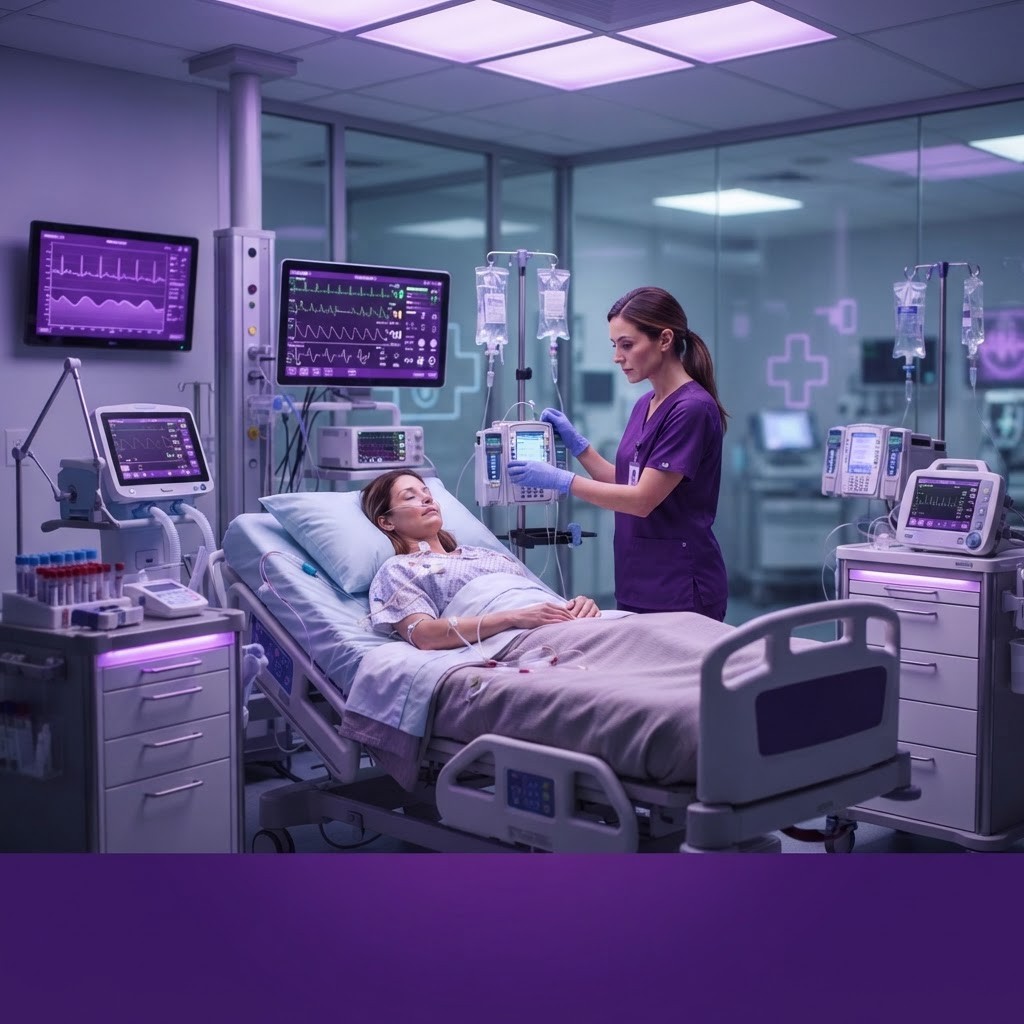
Hospital inpatient departments provide intensive monitoring, nursing care, medications, and treatments for patients requiring hospitalization. Hospital wards accommodate patients with varying acuity levels and care requirements from intensive care units to general wards.
Professional nursing staff provide 24/7 monitoring, medication administration, wound care, and patient support. Ward environments balance patient comfort with clinical requirements supporting recovery and positive health outcomes.
Obstetric and Pediatric Services
Hospitals prioritize maternal and child health through comprehensive obstetric services including prenatal care, delivery services, postpartum care, and emergency obstetric interventions. Pediatric departments address children's health needs from newborns through adolescence.
Specialized obstetric capabilities including cesarean section, fetal monitoring, and neonatal intensive care address high-risk pregnancies and birth complications. Pediatric services address childhood illnesses, preventive care, and developmental concerns.
Professional Staffing and Medical Education
Leading hospitals employ qualified physicians, nurses, technologists, and administrative staff maintaining professional standards and patient care quality. Continuous education and professional development programs keep staff current with medical advances and best practices.
Many hospitals serve as teaching institutions providing medical student and resident training, contributing to professional development and healthcare workforce expansion. Teaching hospital missions combine patient care with education advancing medical profession.
Patient Accommodation and Comfort
Hospitals balance clinical requirements with patient comfort through appropriate accommodation, hygiene, nutrition, and psychological support. Patient-centered care approaches emphasize dignity, respect, and involvement in treatment decisions.
Private and semi-private room options, family accommodation, and supportive services enhance patient experiences. Hospital design considerations include infection control, clinical efficiency, and patient comfort creating therapeutic environments.
Infection Control and Safety Standards
Modern hospitals maintain rigorous infection control protocols, sterilization procedures, hand hygiene practices, and safety standards protecting patients and staff. Infection prevention programs address hospital-acquired infections and antibiotic resistance concerns.
Safety culture emphasizes incident reporting, continuous improvement, quality assurance, and regulatory compliance. Patient safety protocols including medication verification, procedure verification, and error prevention systems minimize adverse events.
Outpatient Services and Clinics
Hospitals provide outpatient services through clinics, consultation appointments, and ambulatory procedures enabling efficient care for non-emergency conditions. Outpatient services reduce hospitalization needs while maintaining revenue and clinical continuity.
Specialty clinics address specific conditions, providing ongoing management, medication adjustment, and follow-up care. Outpatient services serve as safety nets for patients lacking access to primary healthcare.
Community Health and Public Health Contributions
Hospitals contribute to community health through health promotion, disease prevention programs, health education, and collaboration with public health authorities. Community engagement strengthens health systems while addressing social determinants of health.
Public health initiatives may include vaccination programs, maternal health outreach, disease surveillance, and health advocacy. Hospitals serve as community health resources beyond clinical services.
Financial Accessibility and Support
Leading hospitals demonstrate commitment to patient accessibility through financial assistance programs, payment plans, and insurance coordination ensuring treatment availability regardless of economic circumstances. Social workers assist patients navigating financial challenges.
Some hospitals operate scholarship programs, charitable care systems, or subsidized services supporting vulnerable populations. Financial accessibility reflects health equity commitment ensuring healthcare regardless of economic status.
Conclusion
Central African Republic's leading hospitals represent healthcare excellence, combining medical expertise, modern facilities, and patient-centered care advancing community health and addressing complex medical needs. These institutions remain vital healthcare providers and community anchors contributing meaningfully to population health and wellbeing.