
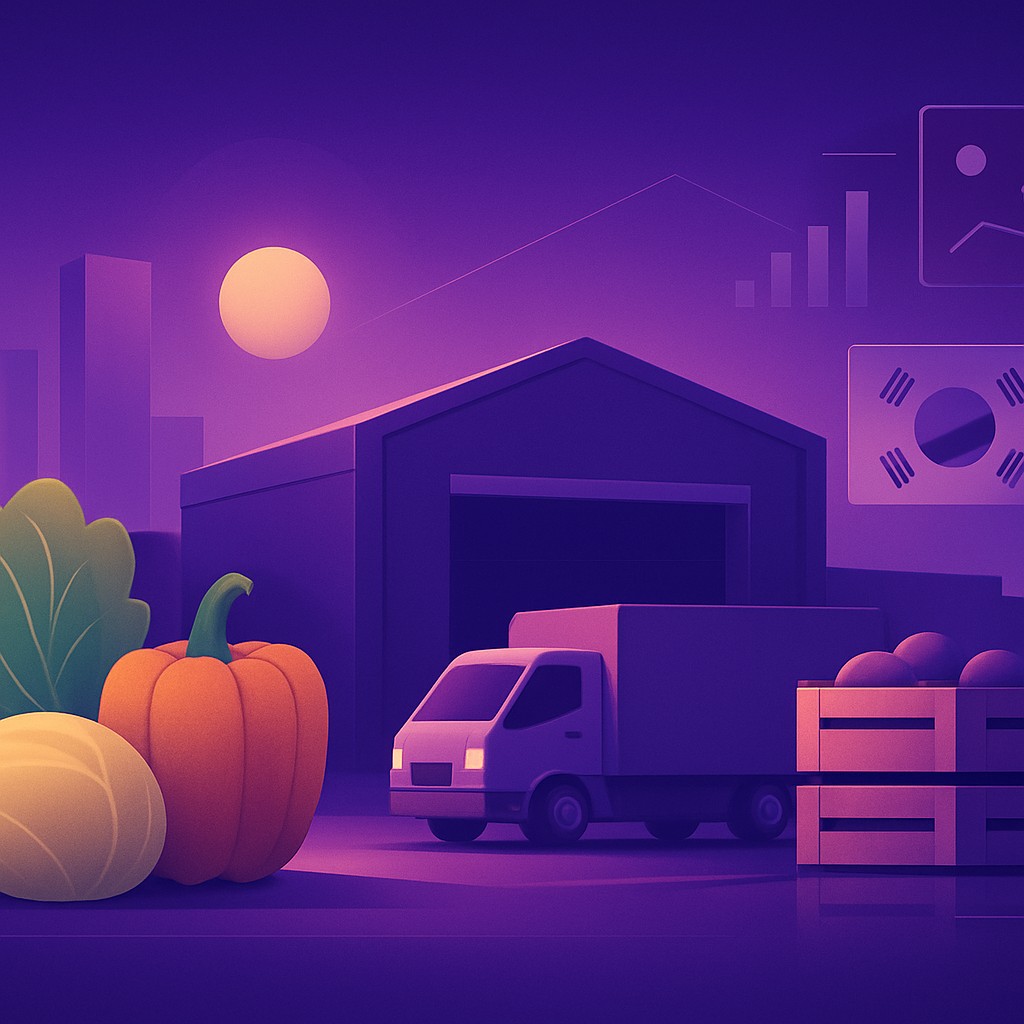
Feeding a Culinary Nation
South Korea's food culture is celebrated around the world, from sizzling barbecue and fermented kimchi to the global phenomenon of Korean snacks and instant noodles. Behind every restaurant kitchen, grocery shelf, and export shipment stands a network of food wholesalers who source, store, and distribute ingredients at scale. These wholesalers are the unsung heroes of the nation's culinary economy, ensuring freshness, consistency, and availability across an enormous range of products.
Food wholesaling in Korea is a sophisticated operation that demands rigorous quality control, cold chain logistics, and deep market knowledge. The best wholesalers combine these capabilities to serve restaurants, retailers, hotels, and exporters with reliability and care.
The Scope of the Industry
Korean food wholesalers handle an extraordinary diversity of products. Fresh produce wholesalers manage fruits and vegetables sourced from domestic farms and international suppliers. Seafood wholesalers, vital in a country with a strong fishing tradition, supply everything from fresh fish to dried and processed marine products. Meat wholesalers distribute beef, pork, and poultry, while specialty wholesalers focus on packaged goods, sauces, and traditional Korean staples.
The famous Garak Market in Seoul serves as the country's largest agricultural and fisheries wholesale hub, where massive volumes change hands daily. Noryangjin Fisheries Wholesale Market is equally iconic, supplying seafood to restaurants and retailers throughout the region.
The Importance of Freshness and Safety
In the food industry, freshness and safety are non-negotiable. Leading Korean food wholesalers invest heavily in temperature-controlled warehouses, refrigerated transport, and strict hygiene protocols. They adhere to national food safety regulations and often pursue additional certifications to reassure clients. This commitment to quality protects both their reputation and the health of consumers.
Traceability has become increasingly important, with top wholesalers able to document the origin and handling of their products. This transparency is especially valued by high-end restaurants and export clients who demand accountability.
Serving the Restaurant Sector
Restaurants form a major customer base for Korean food wholesalers. From bustling street food stalls to upscale dining establishments, kitchens rely on wholesalers for consistent, timely deliveries. The best wholesalers understand the rhythms of the restaurant business, offering flexible ordering, early-morning deliveries, and dependable stock of both staple and specialty ingredients.
Many wholesalers also provide menu planning insights and product recommendations, helping chefs discover seasonal ingredients and trending items that keep their offerings fresh and exciting.
The Rise of Korean Food Exports
Korean cuisine's global popularity has created booming demand for exports, and wholesalers are at the forefront of meeting it. Packaged products such as kimchi, gochujang, ramen, and traditional snacks are shipped worldwide, often through wholesalers who understand international regulations and labeling requirements. These exporters help bring authentic Korean flavors to consumers across continents.
This export expertise requires careful attention to shelf life, packaging durability, and compliance with the food safety standards of destination countries.
What Defines the Best Food Wholesalers
The top food wholesalers in South Korea share several qualities. They maintain consistent product quality and reliable supply, even during seasonal fluctuations. They offer competitive pricing without compromising safety or freshness. Strong logistics, including efficient cold chains, ensure products arrive in optimal condition. And they cultivate long-term relationships built on trust and responsiveness.
Customer service is a key differentiator. The best wholesalers communicate clearly, resolve issues quickly, and adapt to the evolving needs of their clients.
Technology in Food Distribution
Digital tools are transforming food wholesale in Korea. Online ordering platforms streamline procurement, while data analytics help wholesalers forecast demand and reduce waste. Some companies use advanced tracking systems to monitor temperature and location throughout the supply chain, further safeguarding quality. These innovations improve efficiency and reduce the environmental footprint of food distribution.
Sustainability and Responsible Sourcing
As awareness of environmental issues grows, leading wholesalers are embracing sustainable practices. This includes reducing food waste, sourcing from responsible producers, and minimizing packaging. Some prioritize local farms and fisheries to support domestic agriculture and shorten supply chains. These efforts resonate with increasingly conscious consumers and businesses.
Choosing a Food Wholesale Partner
For restaurants, retailers, and exporters, selecting the right food wholesaler is a critical decision. Buyers should evaluate product quality, delivery reliability, food safety credentials, and pricing transparency. Visiting facilities and requesting references can provide valuable insight. A dependable wholesaler becomes a true partner in success, ensuring that kitchens stay stocked and customers stay satisfied. With its world-class markets and capable distributors, South Korea offers a food wholesale ecosystem that is both efficient and rich in variety, supporting one of the most beloved cuisines on the planet.